Twenty galleries from Jim Schubert’s model collection and individual projects.
Browse the archive
Choose a collection
Selected collection
Collection 05
25 photographs in this collection. Every slide has a permanent address
that can be copied and shared.
Photograph descriptions were drafted with assistance from Google
Gemini and may contain errors. IPMS Seattle has reviewed and
corrected them where practical. If you can improve an
identification, please
contact the web coordinator.
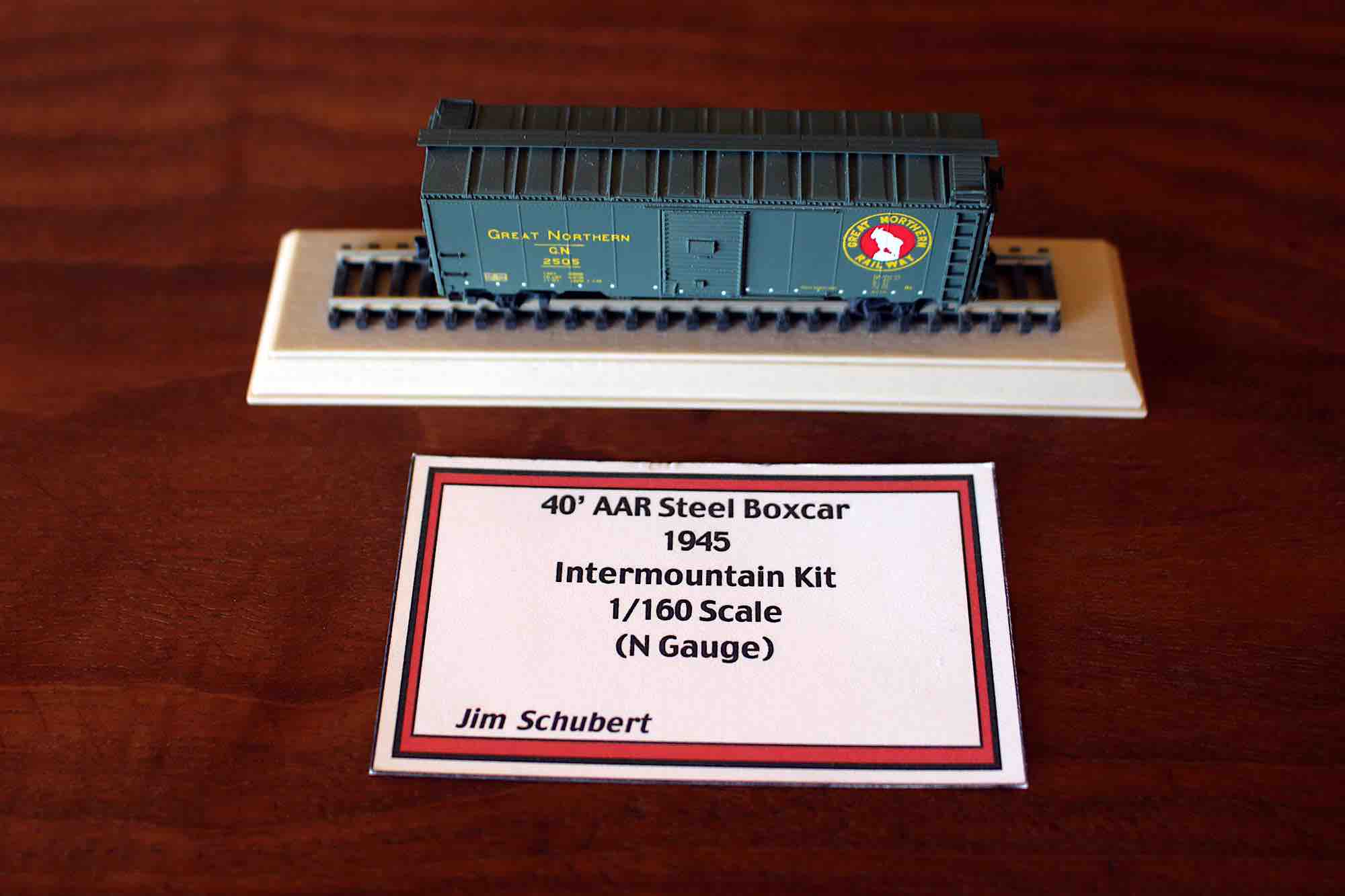
Photograph 1 of 25 · 40-foot AAR steel boxcar painted in a Great Northern Railway scheme in 1/160 scale (N gauge).
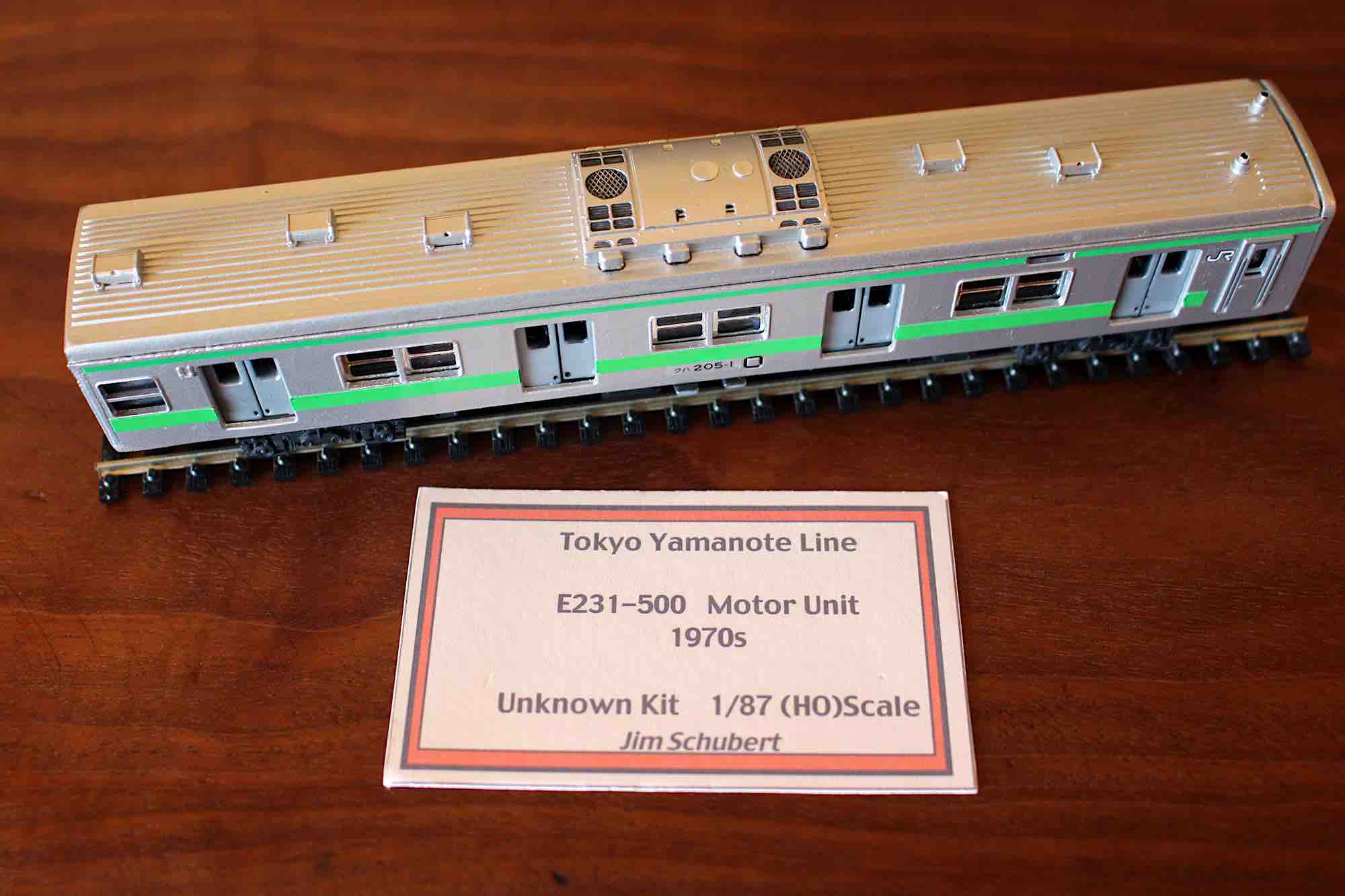
Photograph 2 of 25 · Tokyo Yamanote Line E231-500 Motor Unit
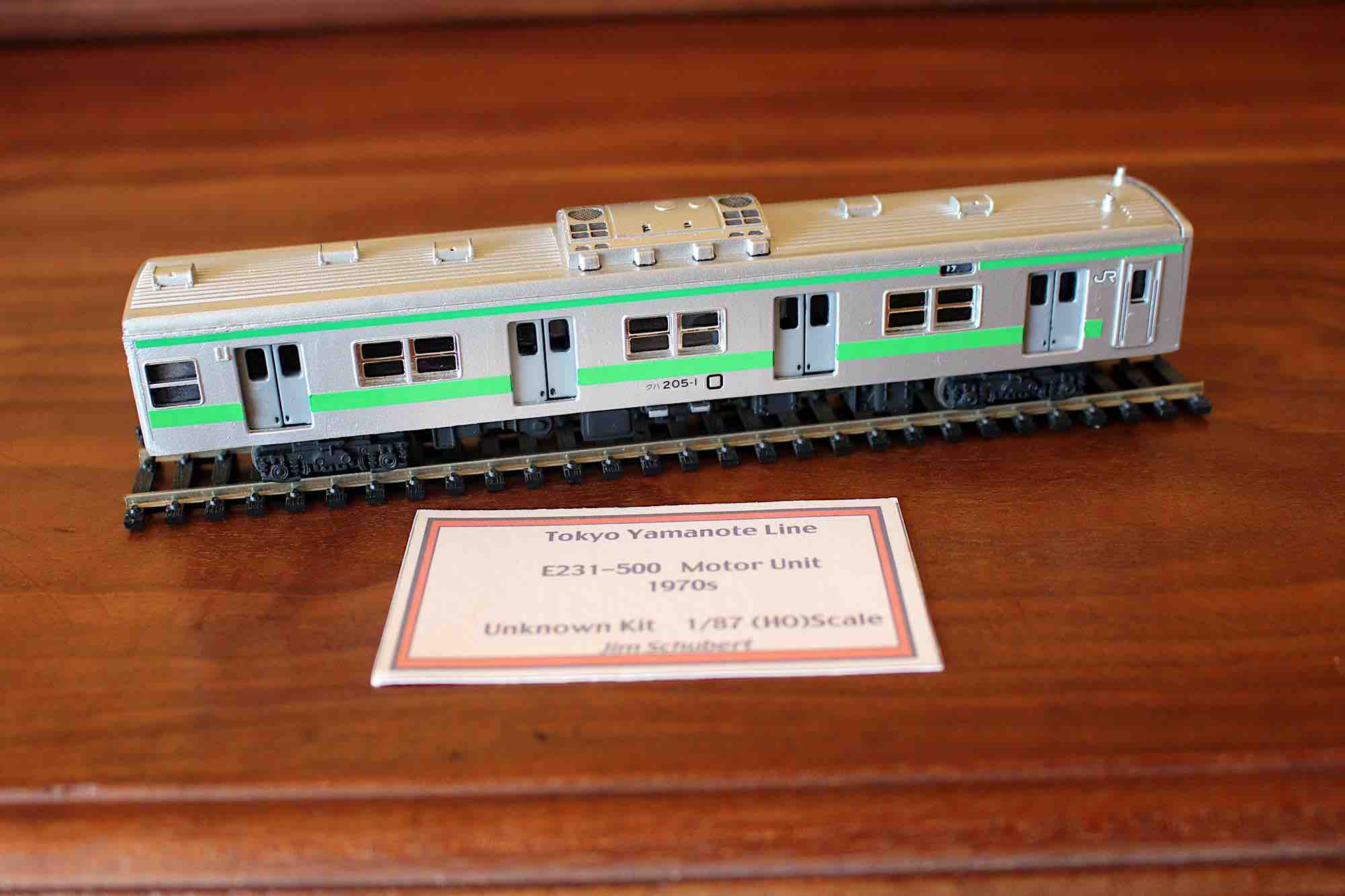
Photograph 3 of 25 · Tokyo Yamanote Line E231-500 Motor Unit
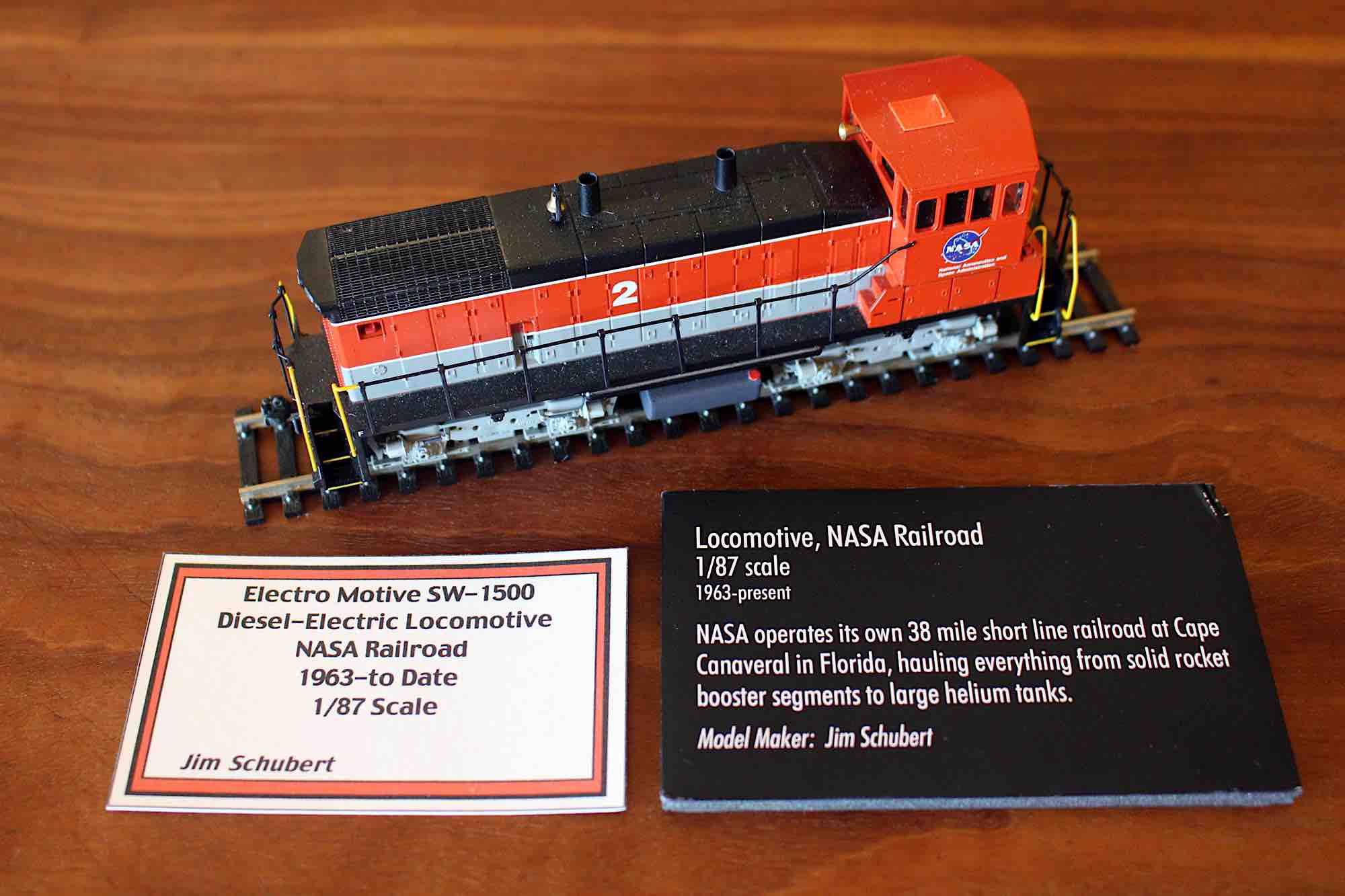
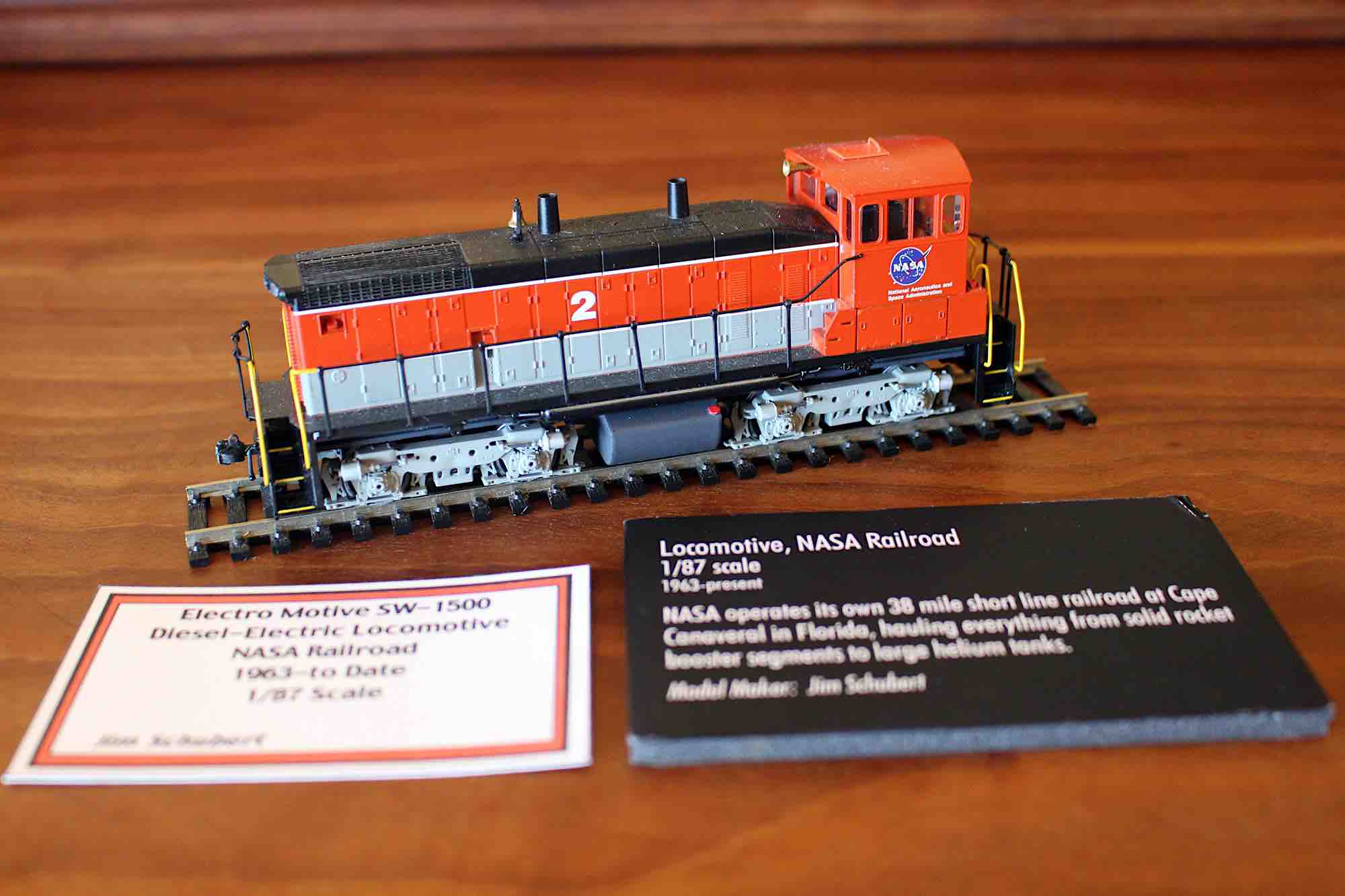
Photograph 4 of 25 · Alco S-2 switcher - The NASA Railroad (reporting mark NLAX) was established in 1963 to support the logistics of the Kennedy Space Center (KSC) at Cape Canaveral, Florida [image_KFLK0u.png]. To move massive spaceflight components, the space agency initially acquired secondhand locomotives [20-2683-1].
Photograph 5 of 25 · NASA originally operated three former U.S. Army Alco S-2 switchers (numbered 1, 2, and 3) painted in a distinct red, white, and gray paint scheme [35-5903923954, 20-2683-1].
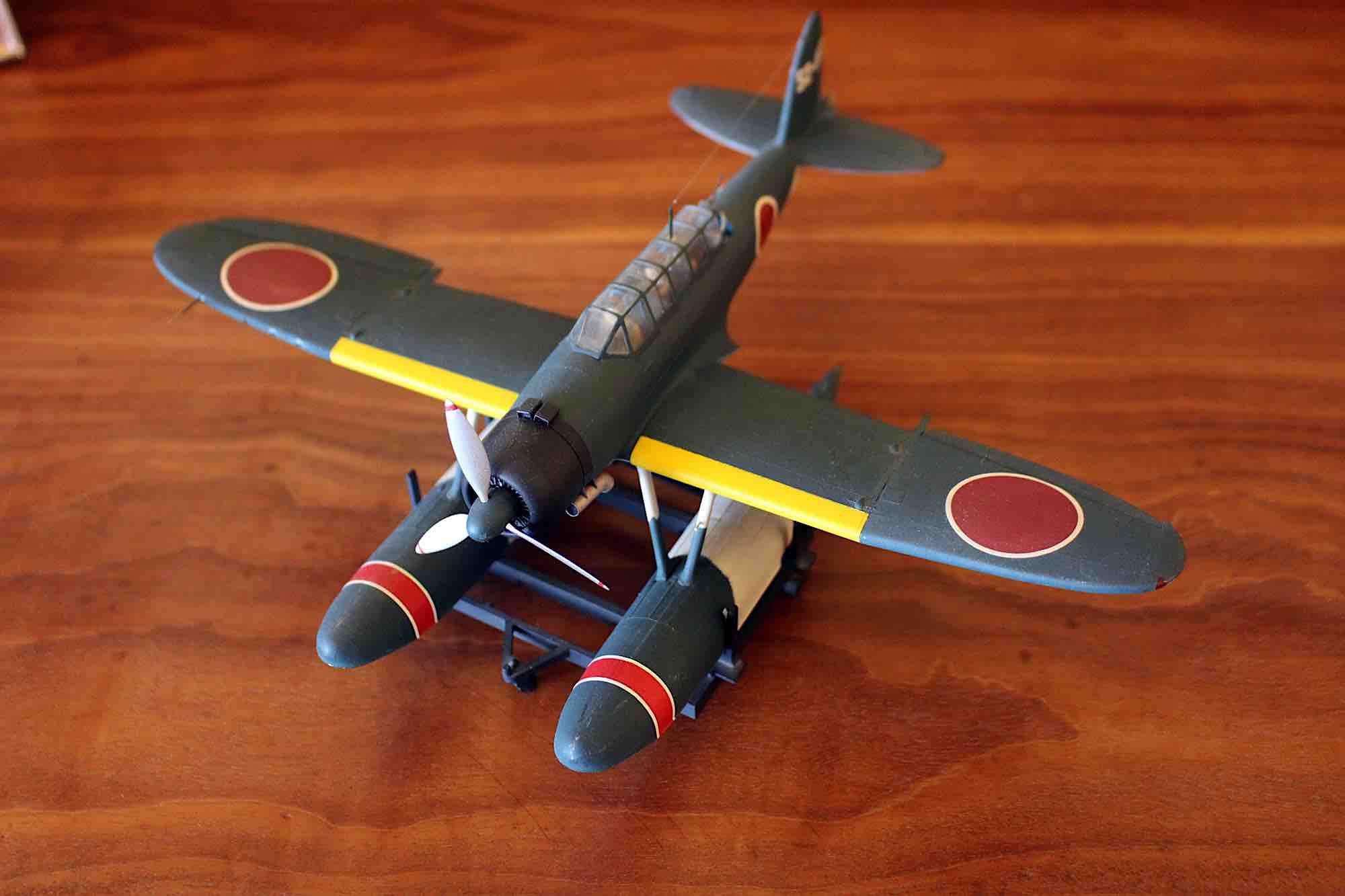
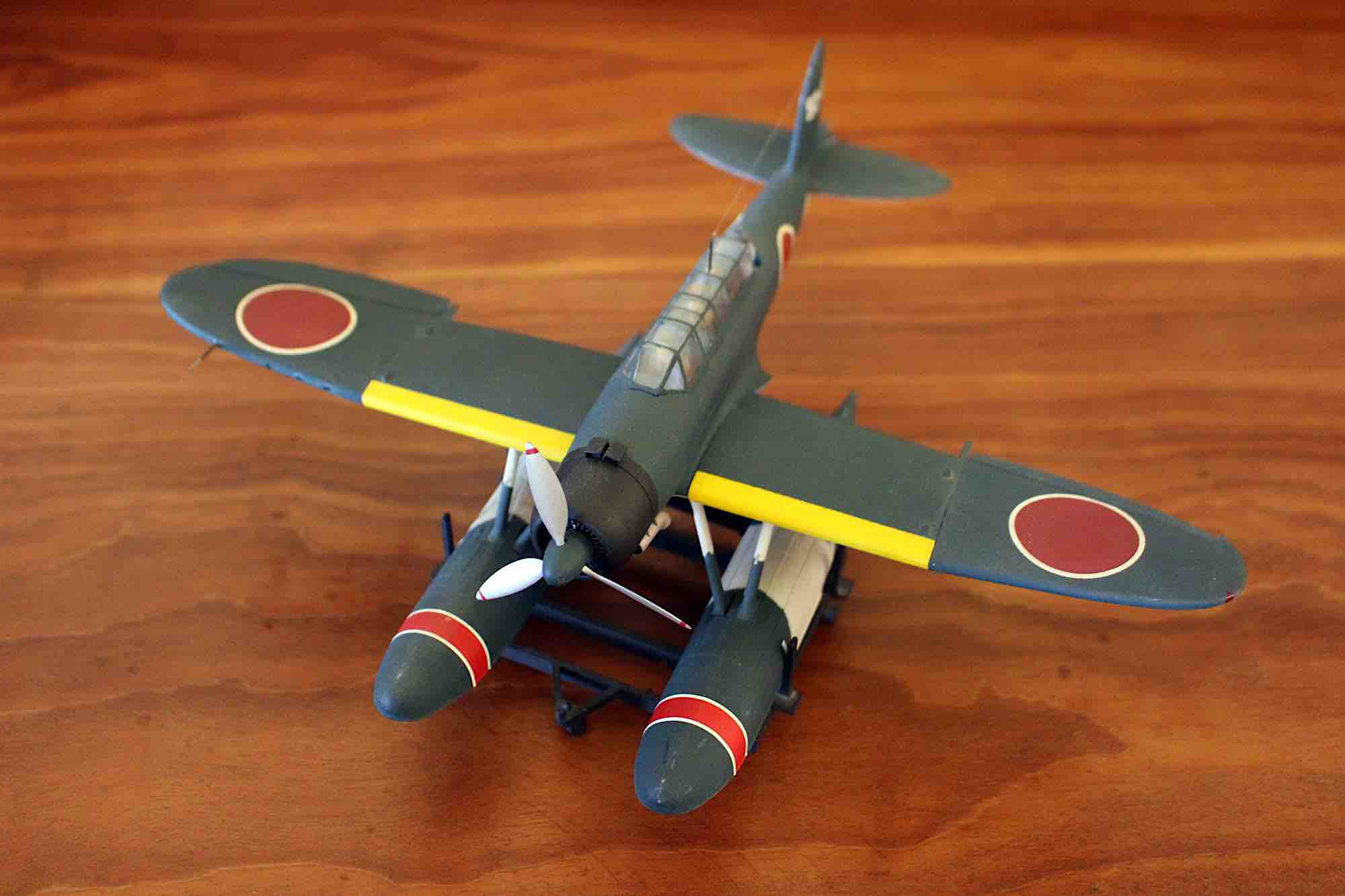
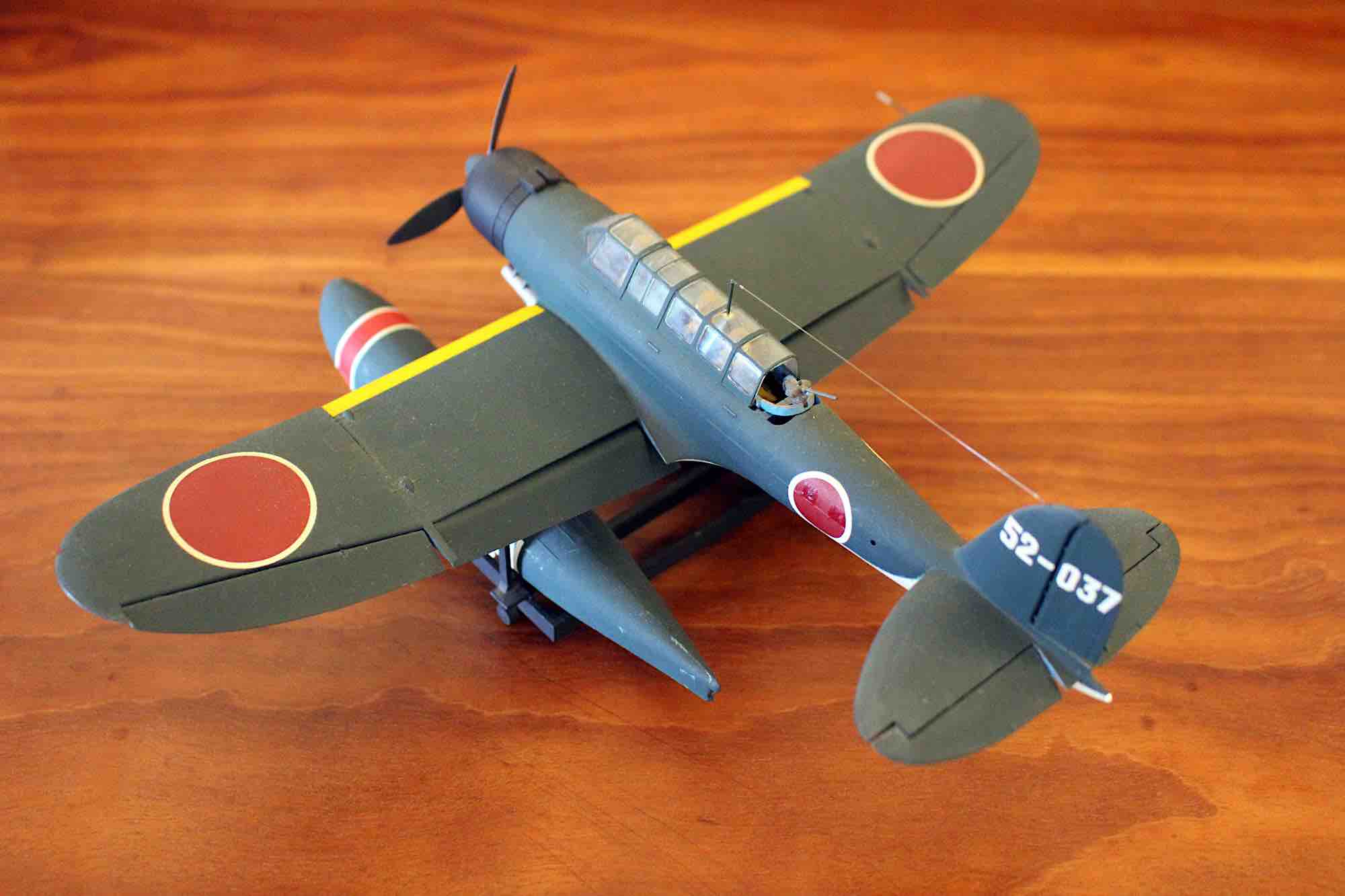
Photograph 6 of 25 · Aichi E13A (designated the Navy Type Zero Reconnaissance Seaplane) was developed in response to a 1937 specification issued by the Imperial Japanese Navy (IJN) for a long-range, three-seat reconnaissance floatplane to replace the aging Kawanishi E7K. Designed by Kishiro Matsuo, the aircraft first flew in late 1938 and won a competitive trial against the Kawanishi E11K1.
Photograph 7 of 25 · Production began in 1940, and the type entered frontline service in late 1941. Powered by a single Mitsubishi Kinsei 43 radial engine producing 1,060 horsepower, it featured an exceptionally clean aerodynamic design with folding wings for compact storage aboard warships. It achieved a top speed of 376 km/h (234 mph) and boasted a formidable maximum range of over 2,000 kilometers (1,300 miles), allowing it to stay aloft for more than 15 hours on extended search patterns.
Photograph 8 of 25 · Pearl Harbor Attack: On December 7, 1941, E13As launched from the heavy cruisers Tone and Chikuma conducted critical pre-strike weather and reconnaissance flights over Oahu, confirming the location of the U.S. Pacific Fleet. Jakes were deployed from IJN battleships (like the Kongō class), heavy cruisers, seaplane tenders, and a vast network of coastal island bases. They performed long-range scouting, anti-submarine patrols, convoy escort, and coastal bombardment. During the pivotal June 1942 Battle of Midway engagement, a Jake launched from the cruiser Tone (Scout No. 4) suffered a delayed launch due to catapult issues. It eventually located the American carrier task force, but the delay proved catastrophic to Japanese tactical positioning.
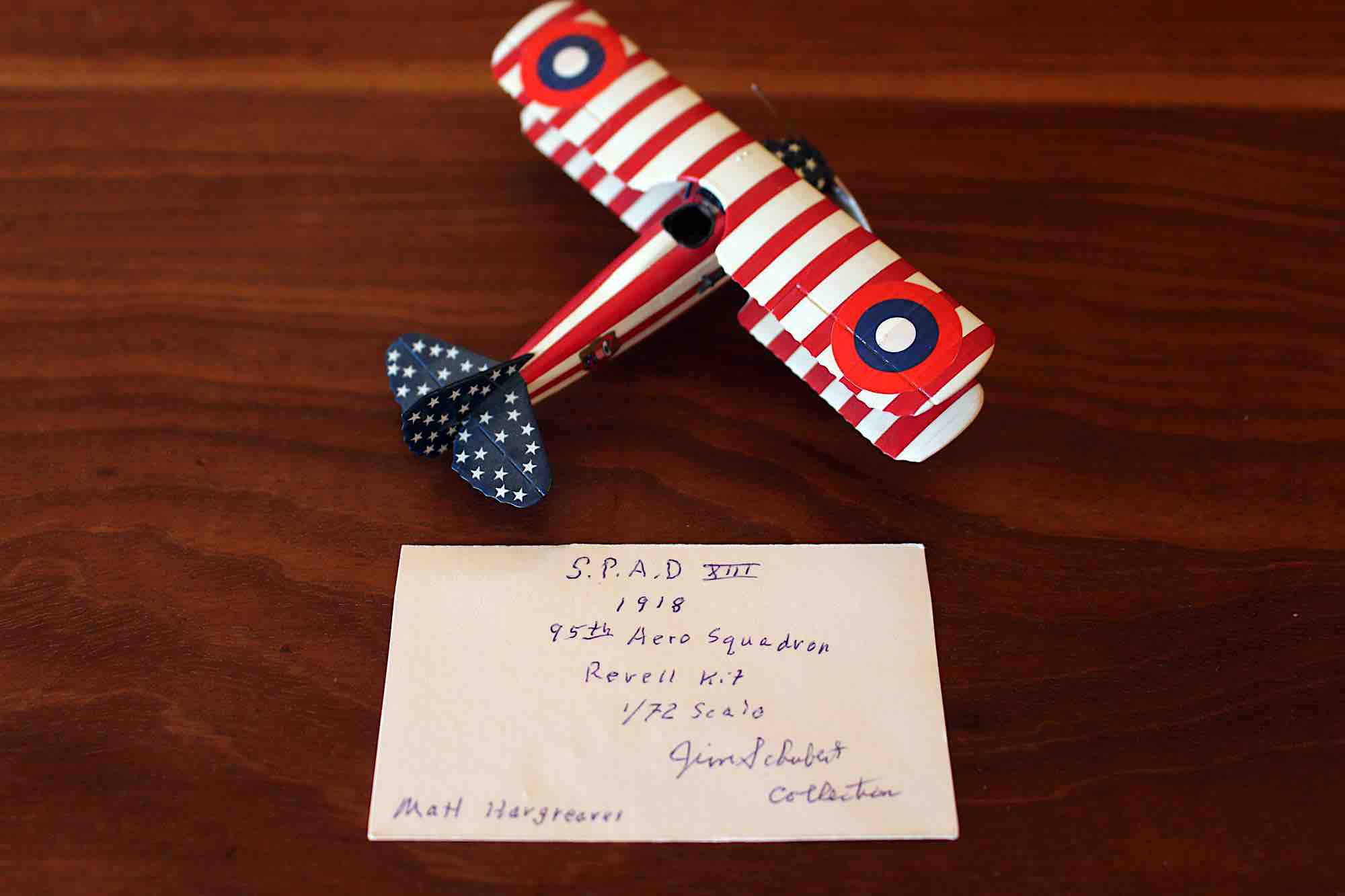
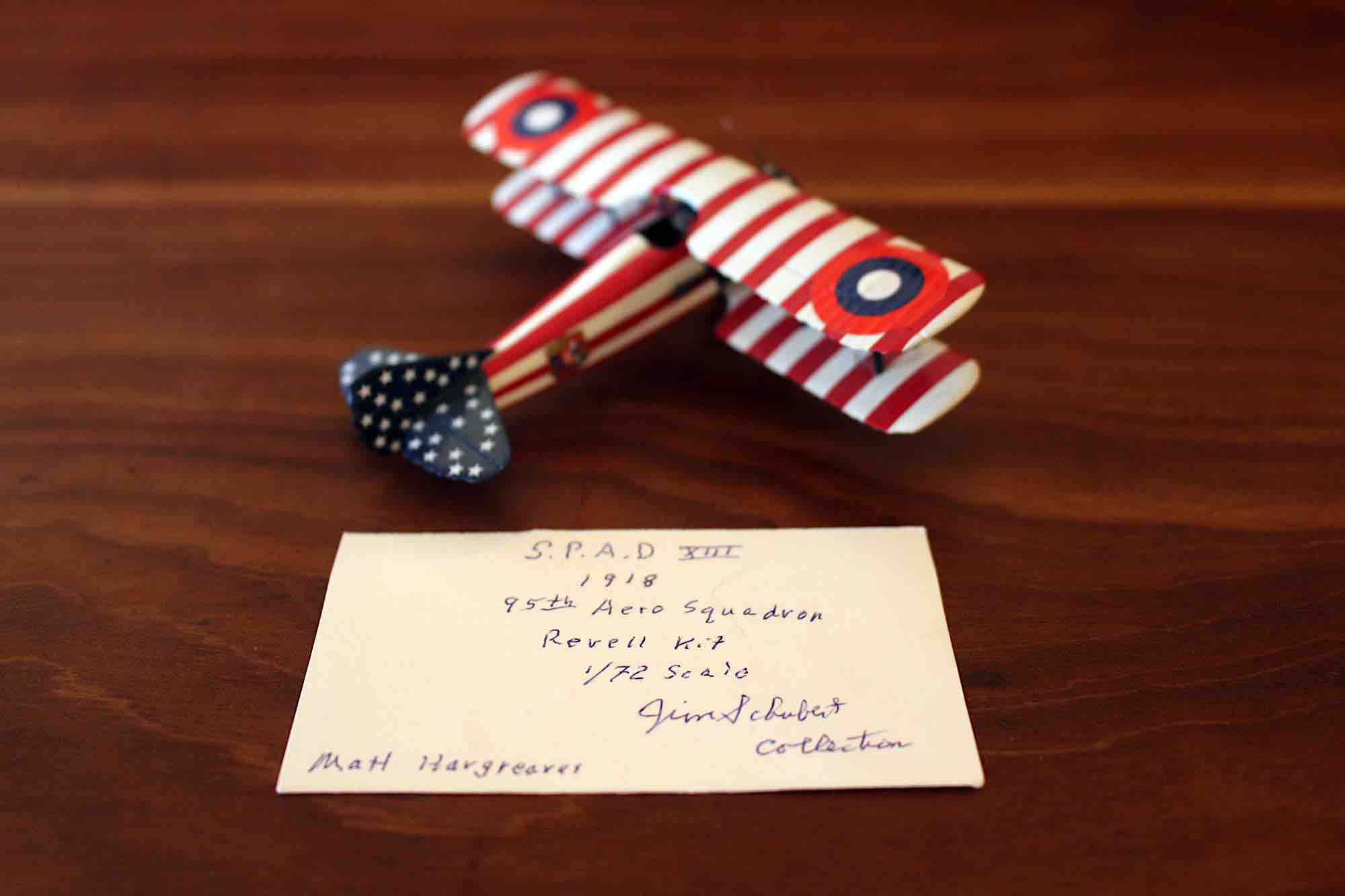
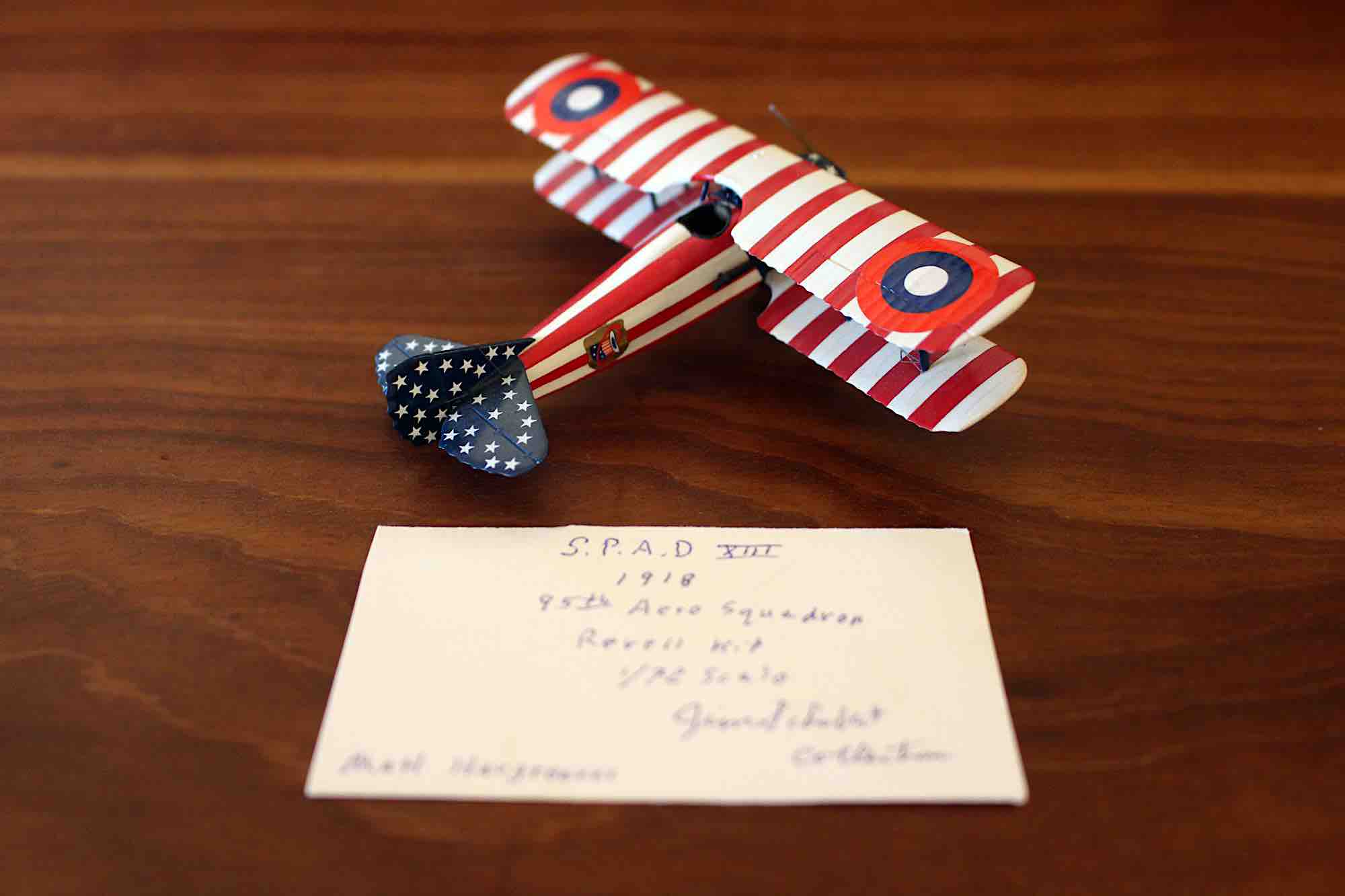
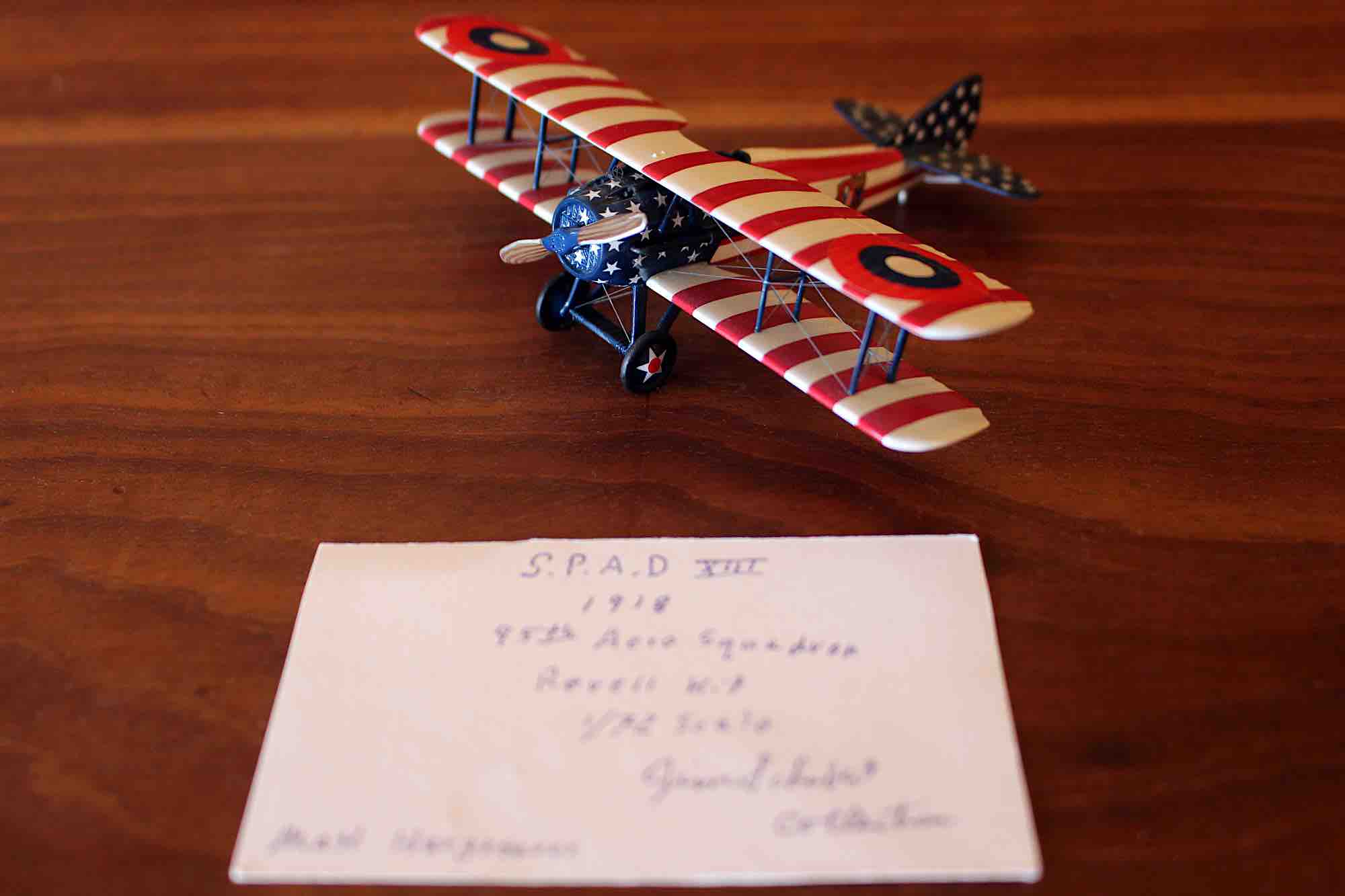
Photograph 9 of 25 · SPAD S.XIII - As the SPAD S.VII began facing newer German fighters, Béchereau scaled up the design into the legendary SPAD S.XIII, which took its first flight on April 4, 1917.
Photograph 10 of 25 · This specific design is historically famous as the post-World War I celebration scheme flown by Captain Reed Chambers of the 94th Aero Squadron during occupation duty in Nieuwied, Germany, in the spring of 1919. Pilots famously discovered that these elaborate paint jobs significantly decreased flight performance due to the sheer weight of the extra paint.
Photograph 11 of 25 · Fitted with a significantly more powerful 200 to 220 horsepower geared Hispano-Suiza V8 engine. This allowed the aircraft to reach a top speed of roughly 135 mph (218 km/h), comfortably outpacing many contemporary German fighters.
Photograph 12 of 25 · First taking flight on April 4, 1917, it entered active theater service by May 1917. It quickly became the definitive French fighter, with 8,472 airframes constructed by the end of the war.
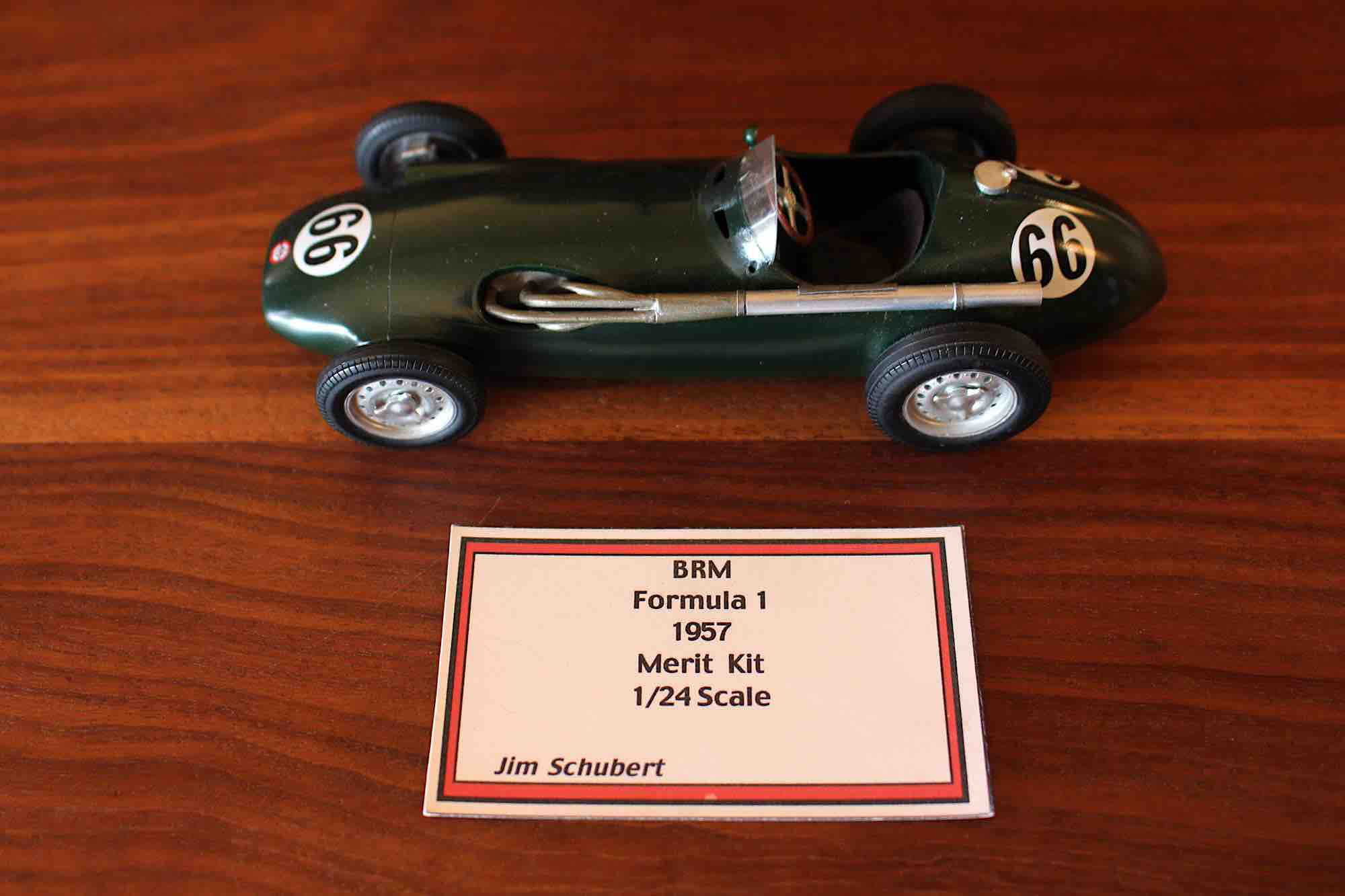
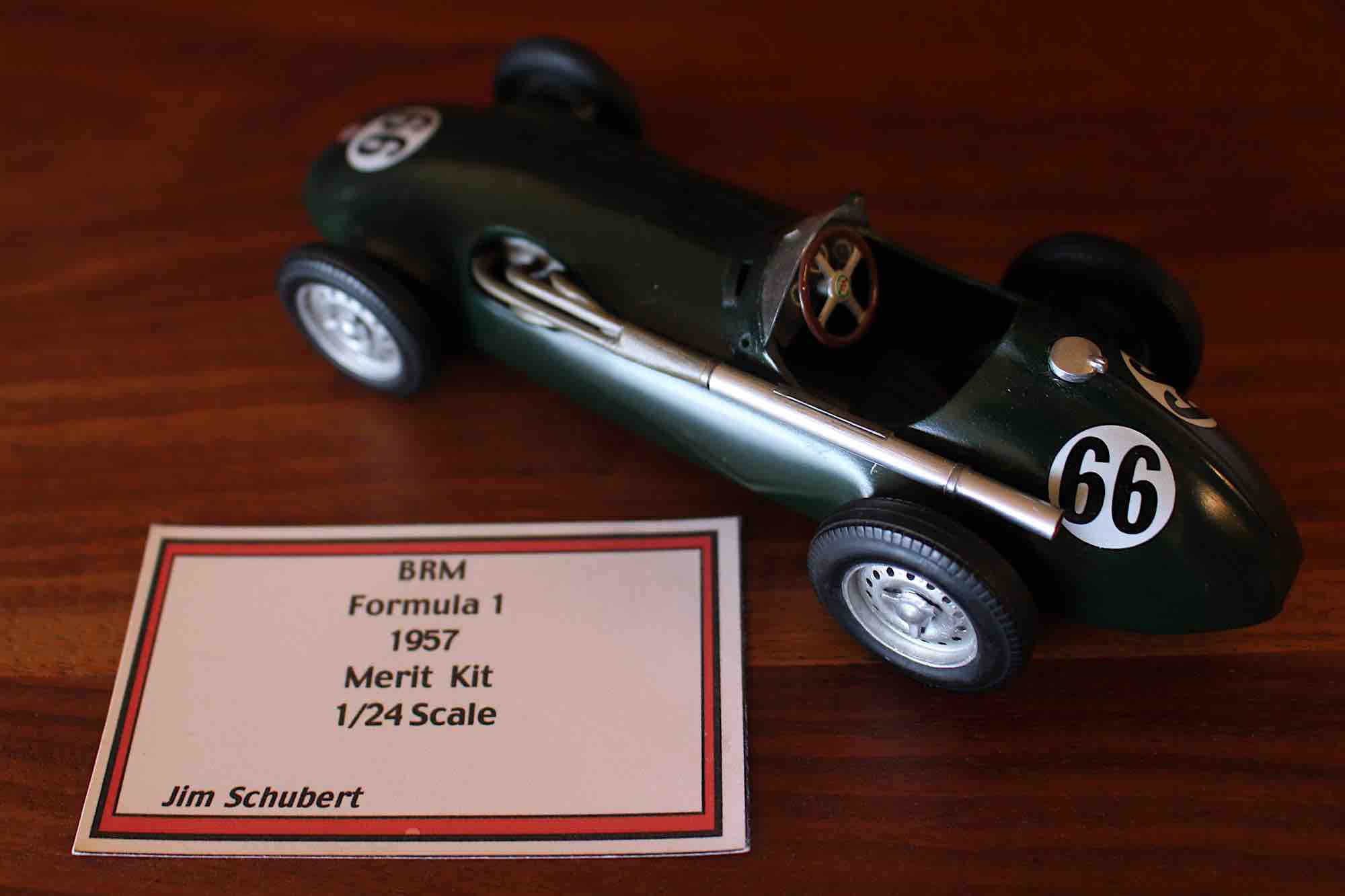
Photograph 13 of 25 · The BRM P25 (often referred to as the Type 25) was a foundational front-engined Formula One car produced by British Racing Motors. It was active from 1956 to 1960.
Photograph 14 of 25 · The Historic Win: At the 1959 Dutch Grand Prix at Zandvoort, Swedish driver Joakim Bonnier drove a P25 to victory from pole position. This marked BRM's very first Formula One World Championship Grand Prix victory.
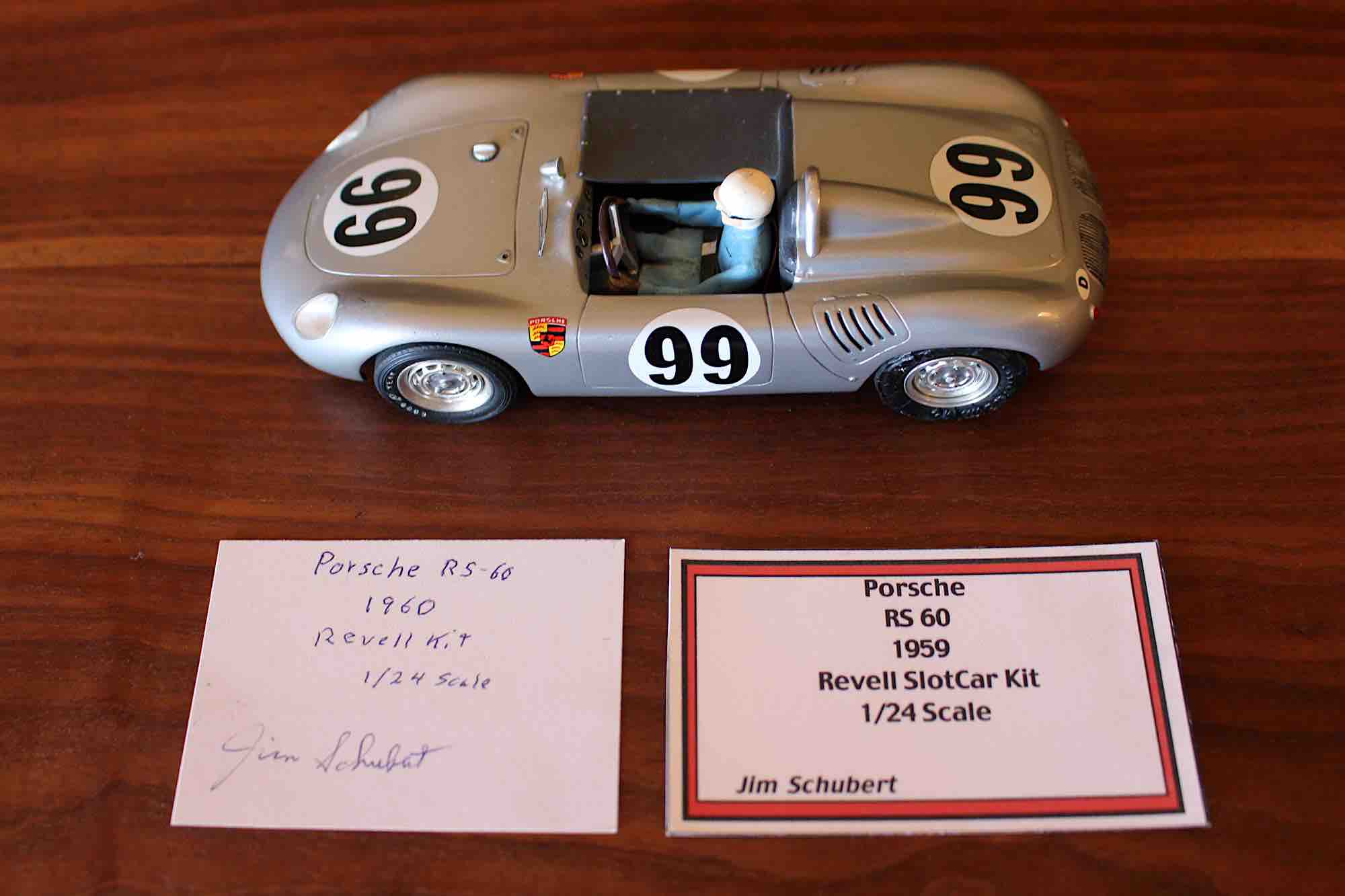
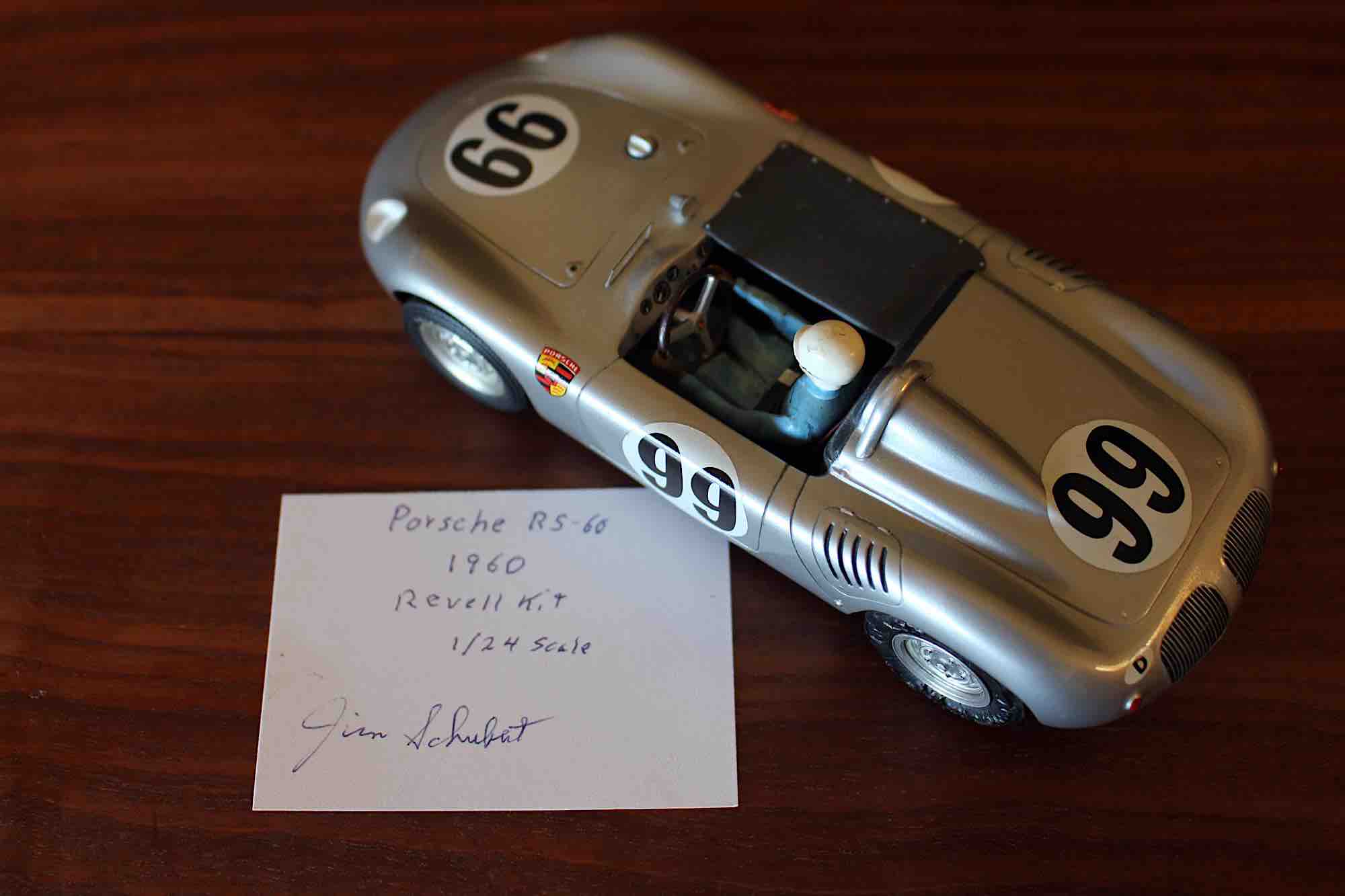
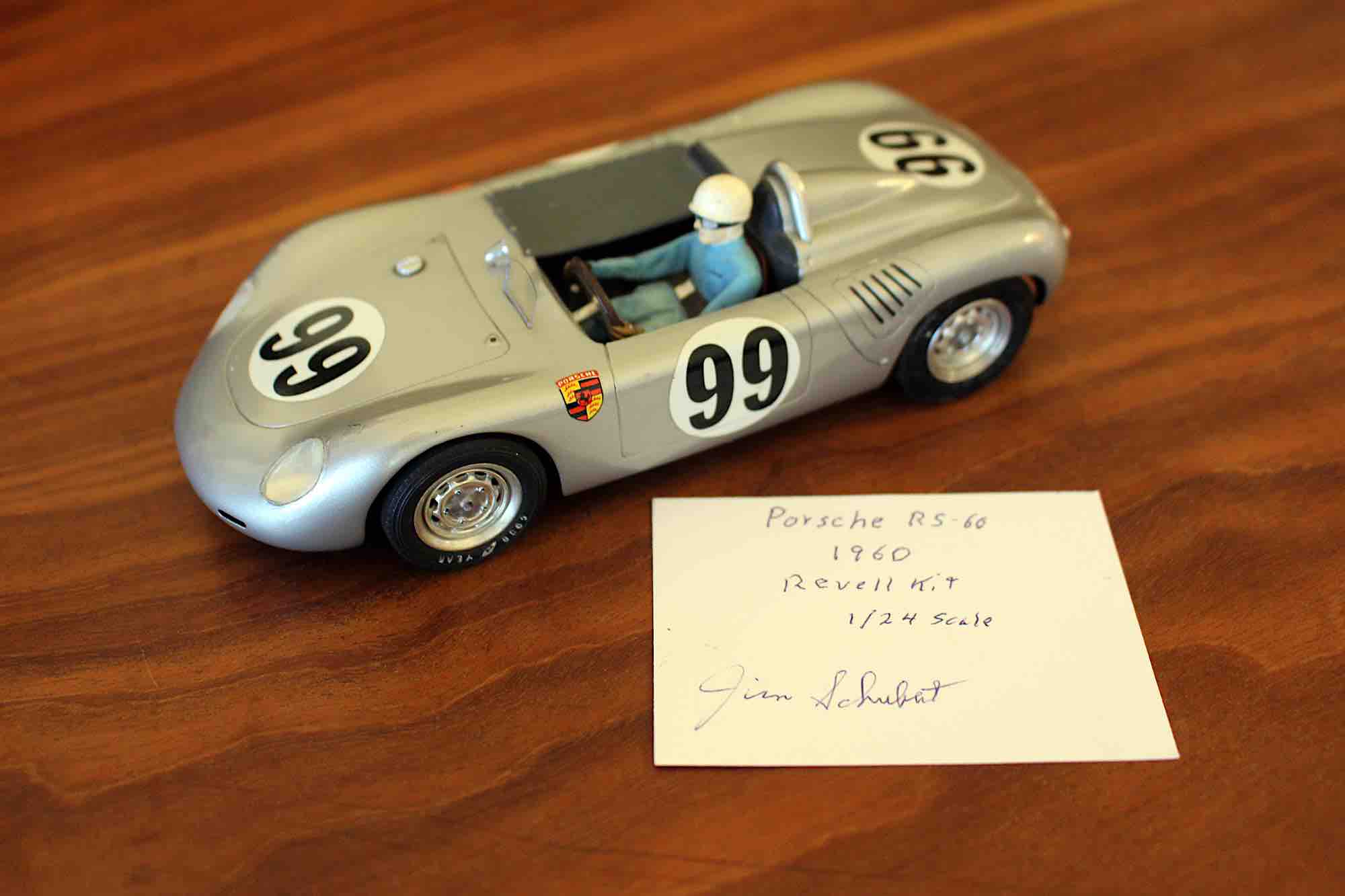
Photograph 15 of 25 · The Porsche 718 RS 60 was introduced for the 1960 racing season. It was a direct response to new FIA rules requiring larger cockpits, taller windscreens, and functioning luggage space. Rather than being slowed down by these restrictive safety regulations, the mid-engined car earned a legendary reputation as a "giant killer". It consistently outpaced far more powerful V12 machinery from competitors like Ferrari.
Photograph 16 of 25 · Piloted brilliantly by drivers like Heini Walter, the RS 60 secured consecutive mountain titles at the European Hill Climb Championship, dominating tighter European courses where lightweight handling mattered more than sheer horsepower.
Photograph 17 of 25 · The RS 60 captured Porsche's first-ever overall victory at the historic 12 Hours of Sebring endurance race. Driven by Hans Herrmann and Olivier Gendebien, the factory entry swept a definitive 1-2 finish.
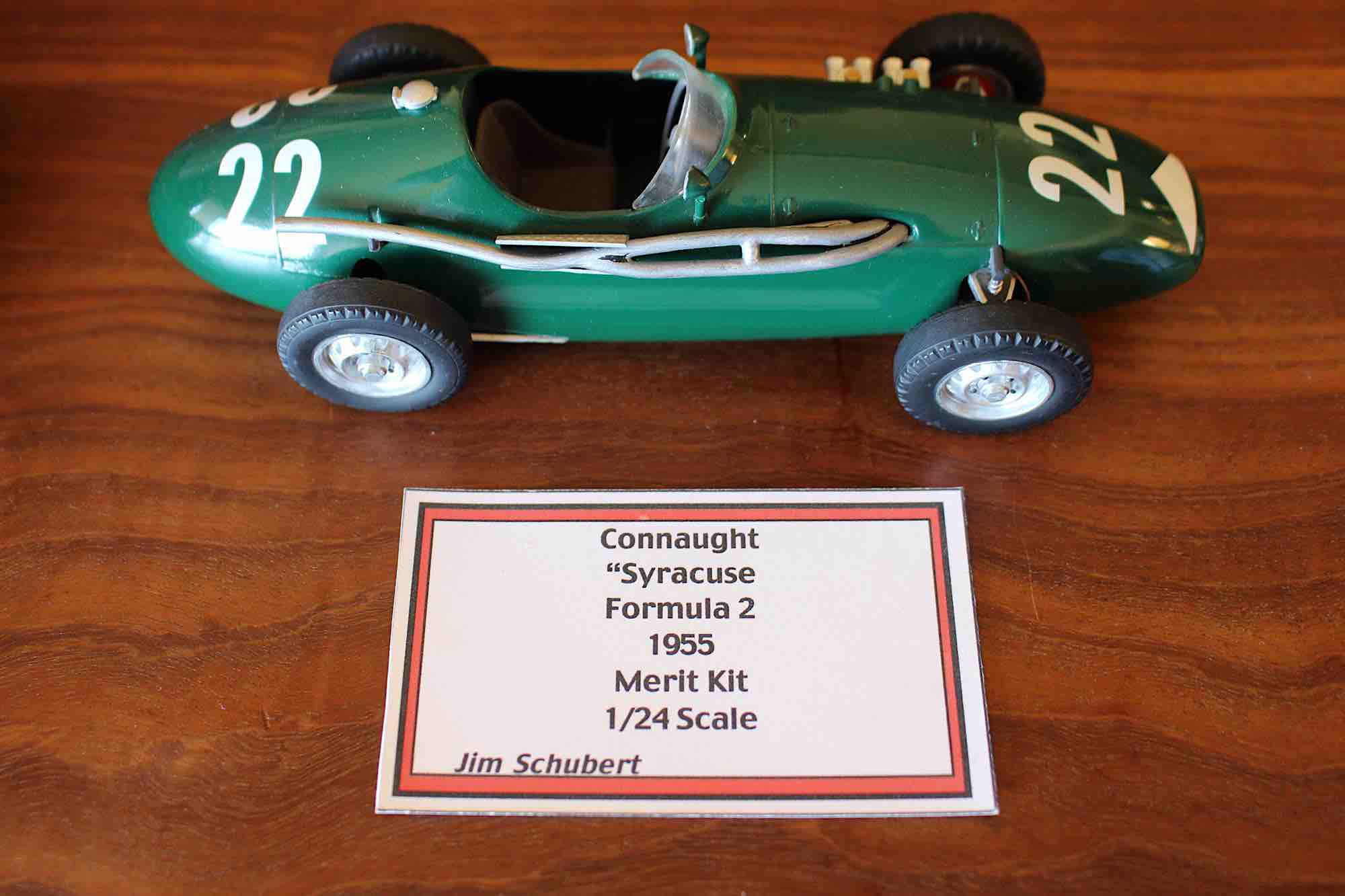
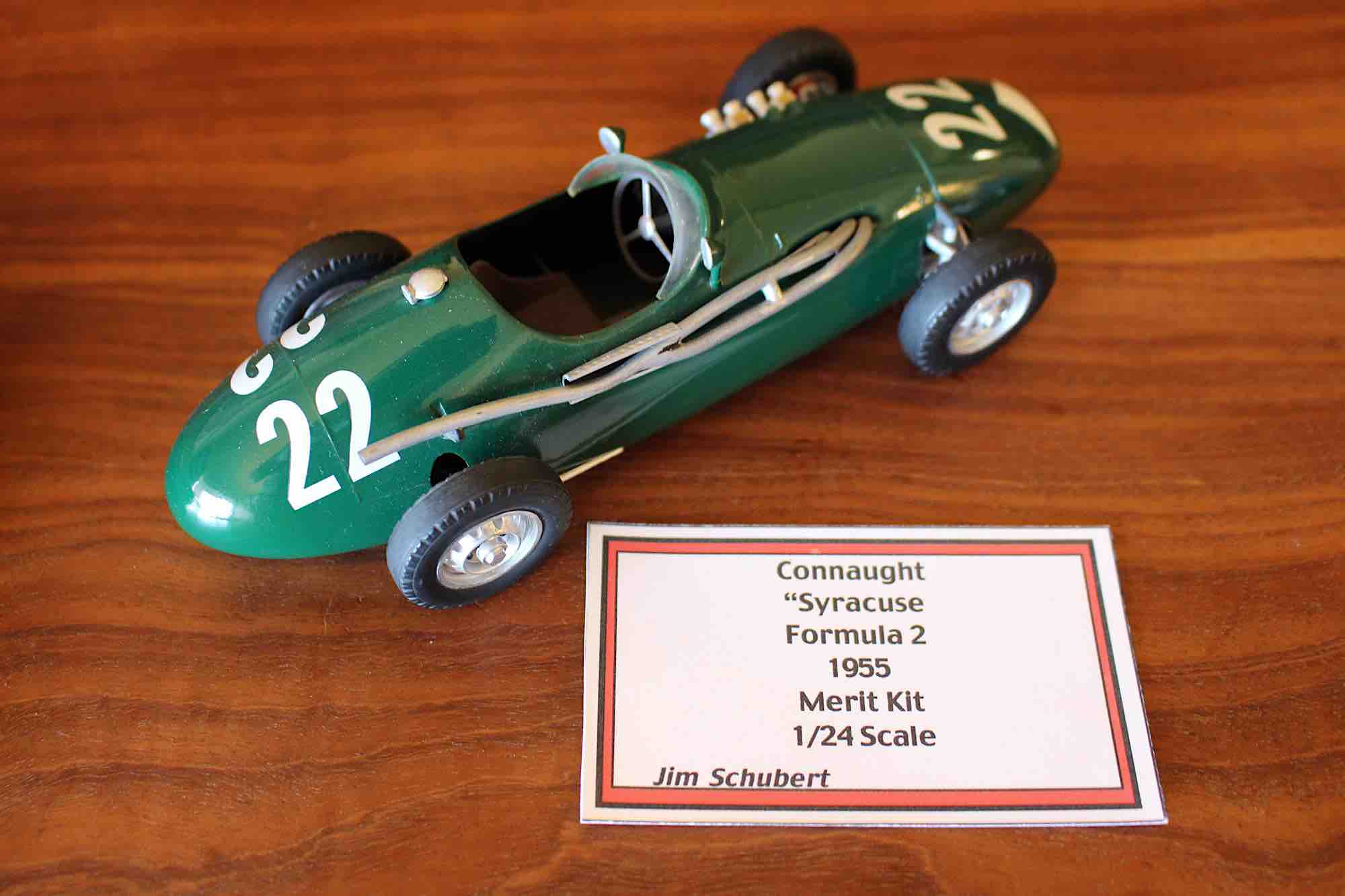
Photograph 18 of 25 · Connaught B-Type "Syracuse" Formula 1 Car (1954–1957) - Built for the new 2.5-liter F1 regulations, Clarke quickly designed a conventional spaceframe chassis utilizing a 240-bhp Alta engine. Its smooth, streamlined aerodynamics earned it the nickname "the toothpaste tube."
Photograph 19 of 25 · The Miracle at Syracuse (1955): Short on funds and ready to shut down, the team accepted a non-championship invitation to the 1955 Syracuse Grand Prix in Sicily solely for the lucrative appearance money. They entered 23-year-old dental student Tony Brooks, who had never driven a Formula 1 car. Brooks had to learn the track on a rented scooter while studying for his dental finals. Against the formidable, factory-backed Maserati 250F team led by Luigi Musso, Brooks utilized the B-Type’s superior Dunlop disc brakes to stay out later into corners. He stunned the racing world by winning the race by over 50 seconds. This marked the first time a British driver in a British car won a modern, overseas Grand Prix since 1924, igniting the golden era of British motorsport dominance.
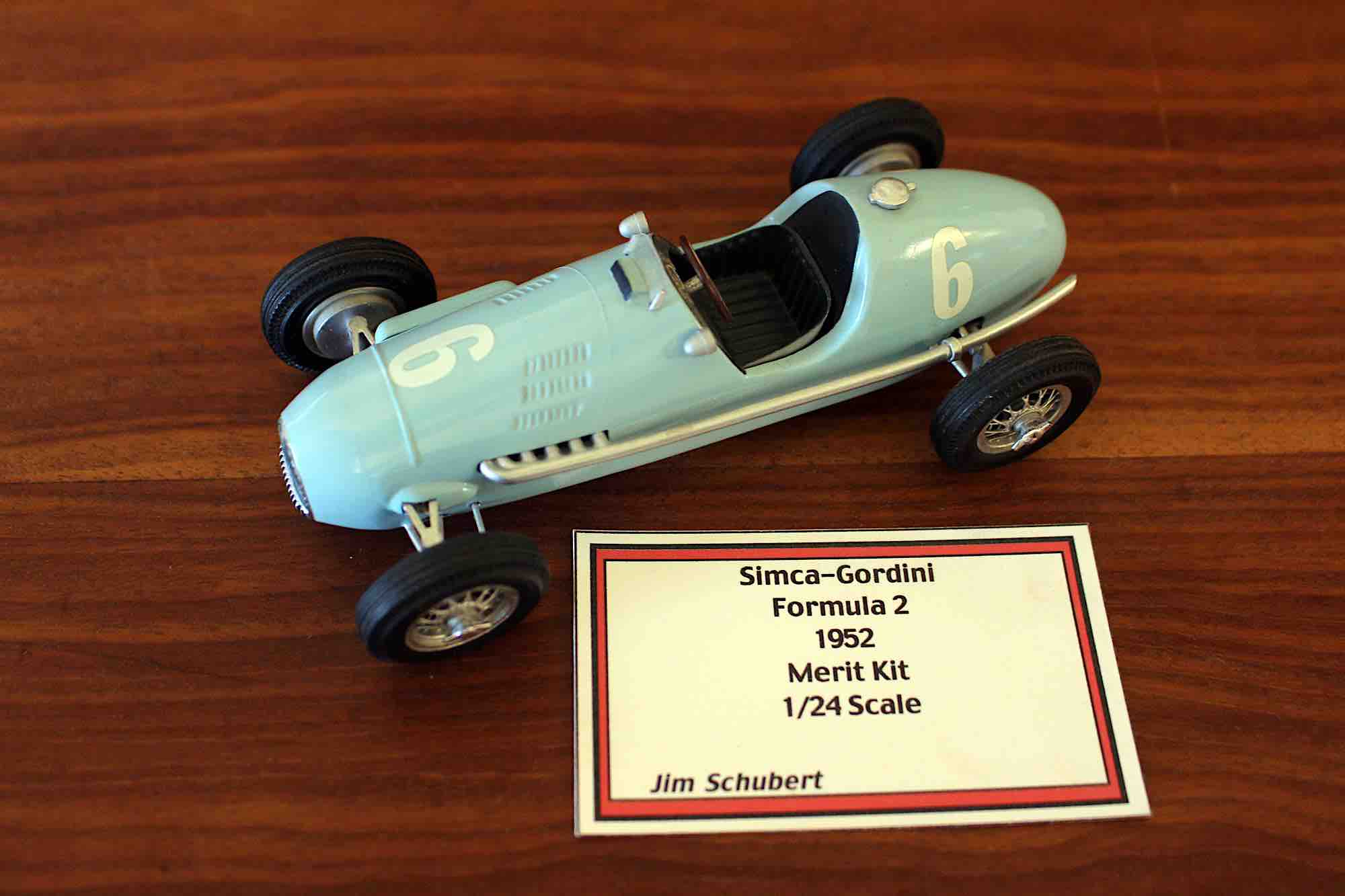
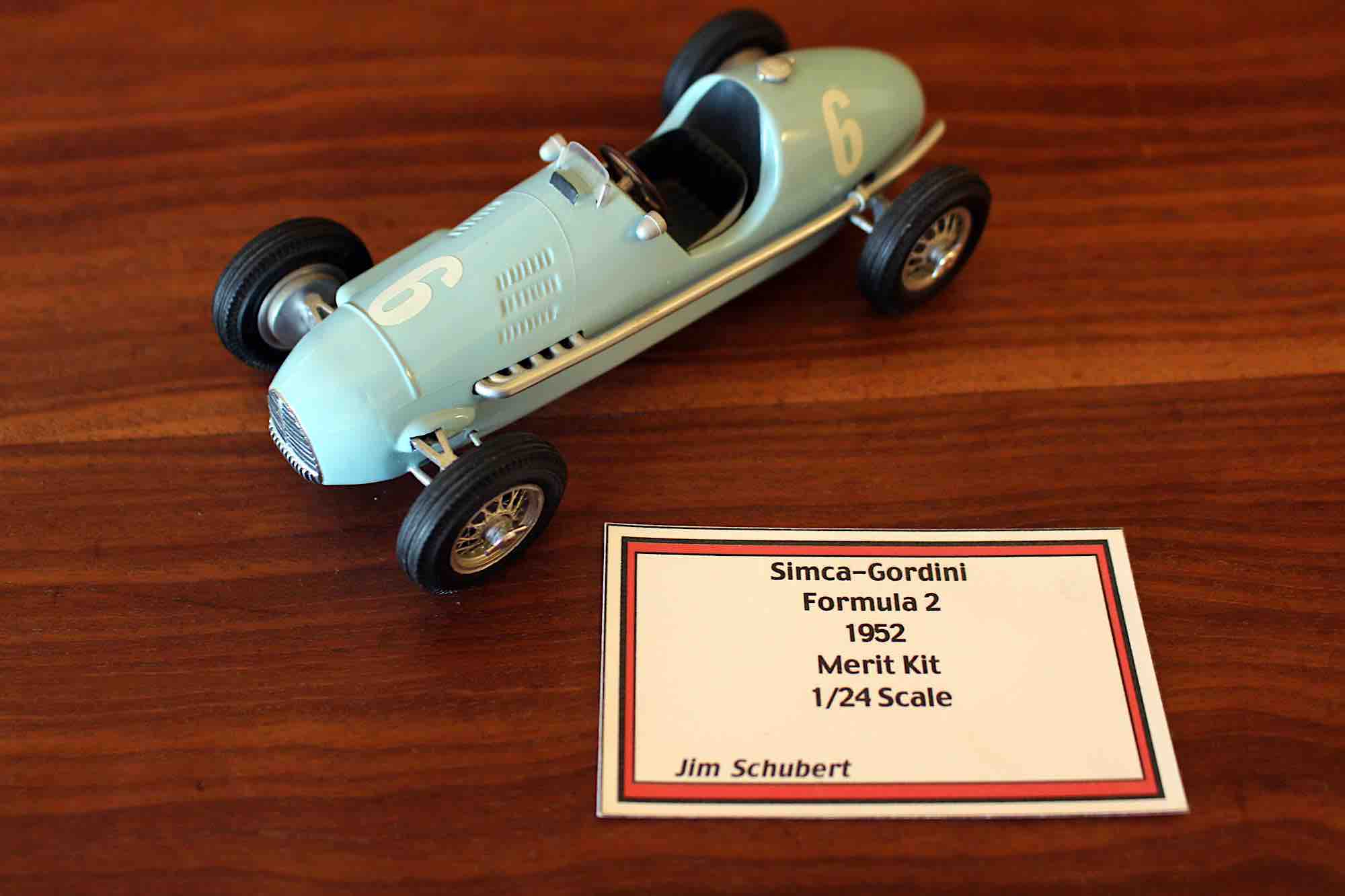
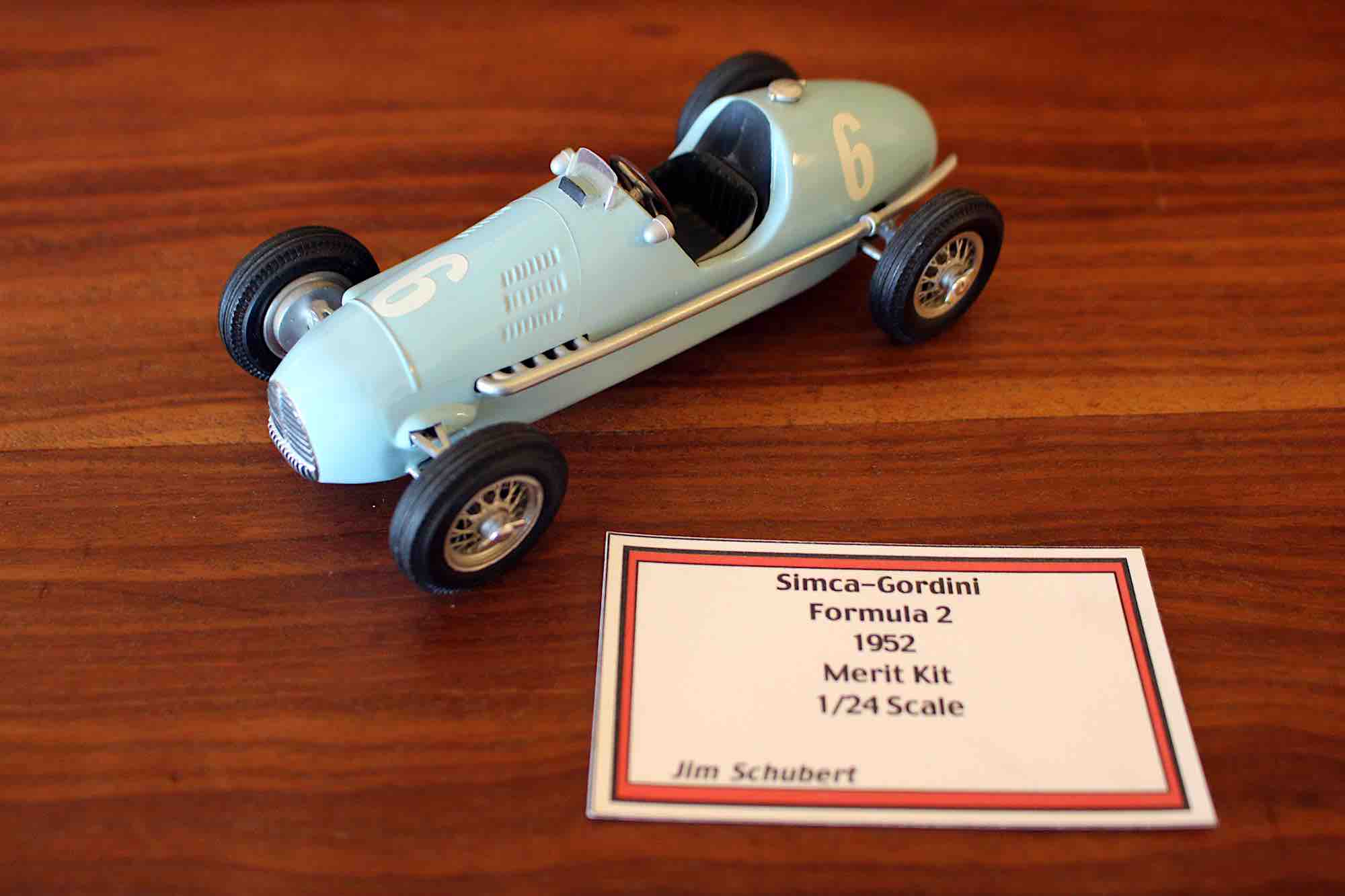
Photograph 20 of 25 · Simca-Gordini Formula 2 race car - In response to being dropped by Simca and the declaration that the 1952 and 1953 World Championships would be run strictly to Formula 2 regulations, restricting cars to 2.0-liter naturally-aspirated engines, Amédée Gordini designed the Type 16. Because it was narrower and lighter, it gave up raw horsepower to the dominant Ferrari 500, which was made up for by excelling on tight turns.
Photograph 21 of 25 · At the 1952 season-opening Swiss Grand Prix, Jean Behra drove a stunning race to finish 3rd, netting Gordini its first-ever World Championship podium. Only a month later, teammate Robert Manzon duplicated the feat by placing 3rd at the Belgian Grand Prix. On June 29, 1952, at the non-championship Grand Prix de la Marne at Reims, Jean Behra drove a Type 16 to a historic victory, defeating the seemingly invincible factory Scuderia Ferrari team on their own terms.
Photograph 22 of 25 · David vs. Goliath Performance: Despite running on a shoestring budget with virtually no money for testing or development, it performed engineering miracles. At the 1952 Grand Prix of Reims, French driver Jean Behra famously used the lightweight T16 to defeat the dominant, factory-backed Ferrari team in a stunning upset.
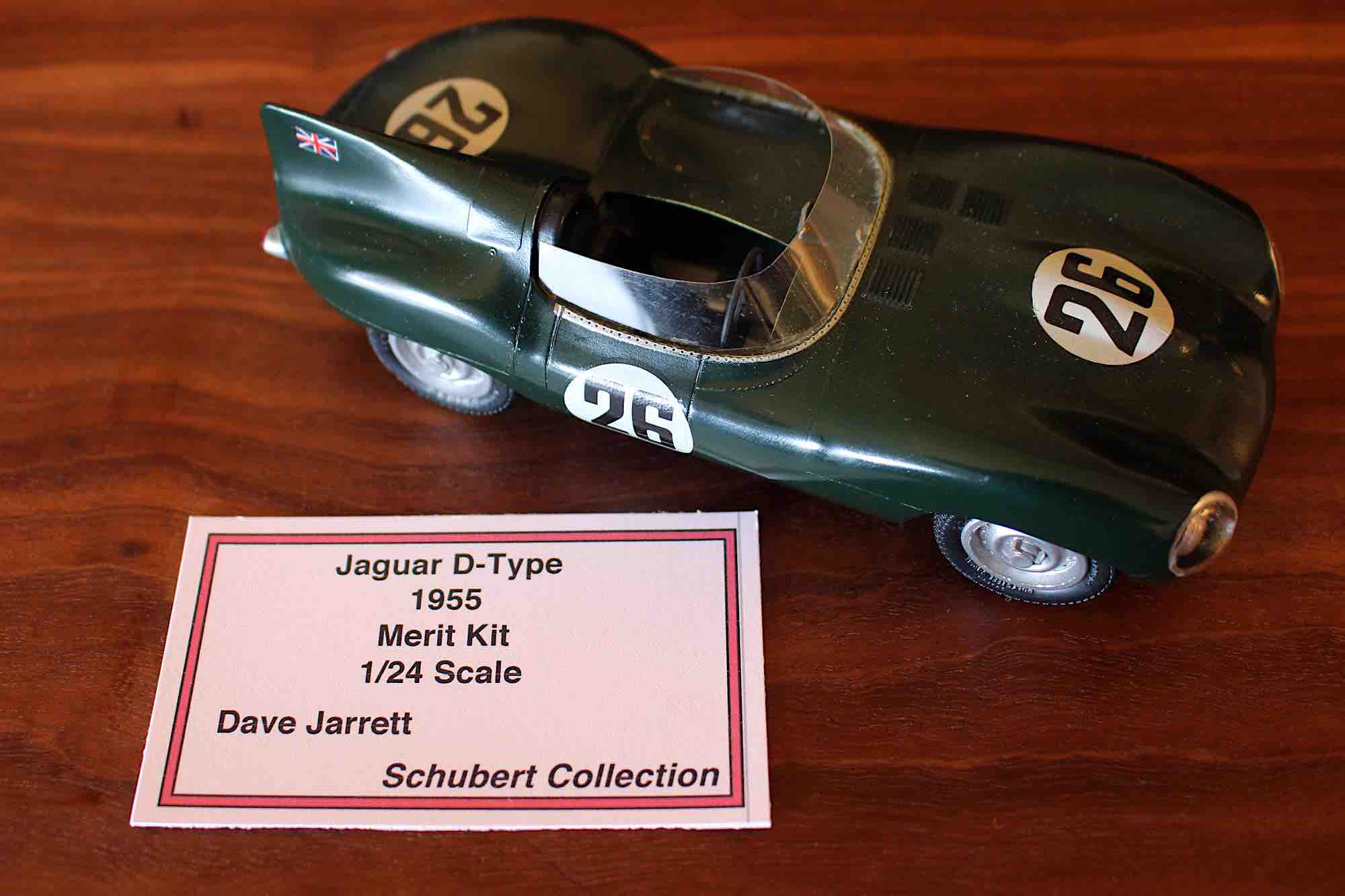
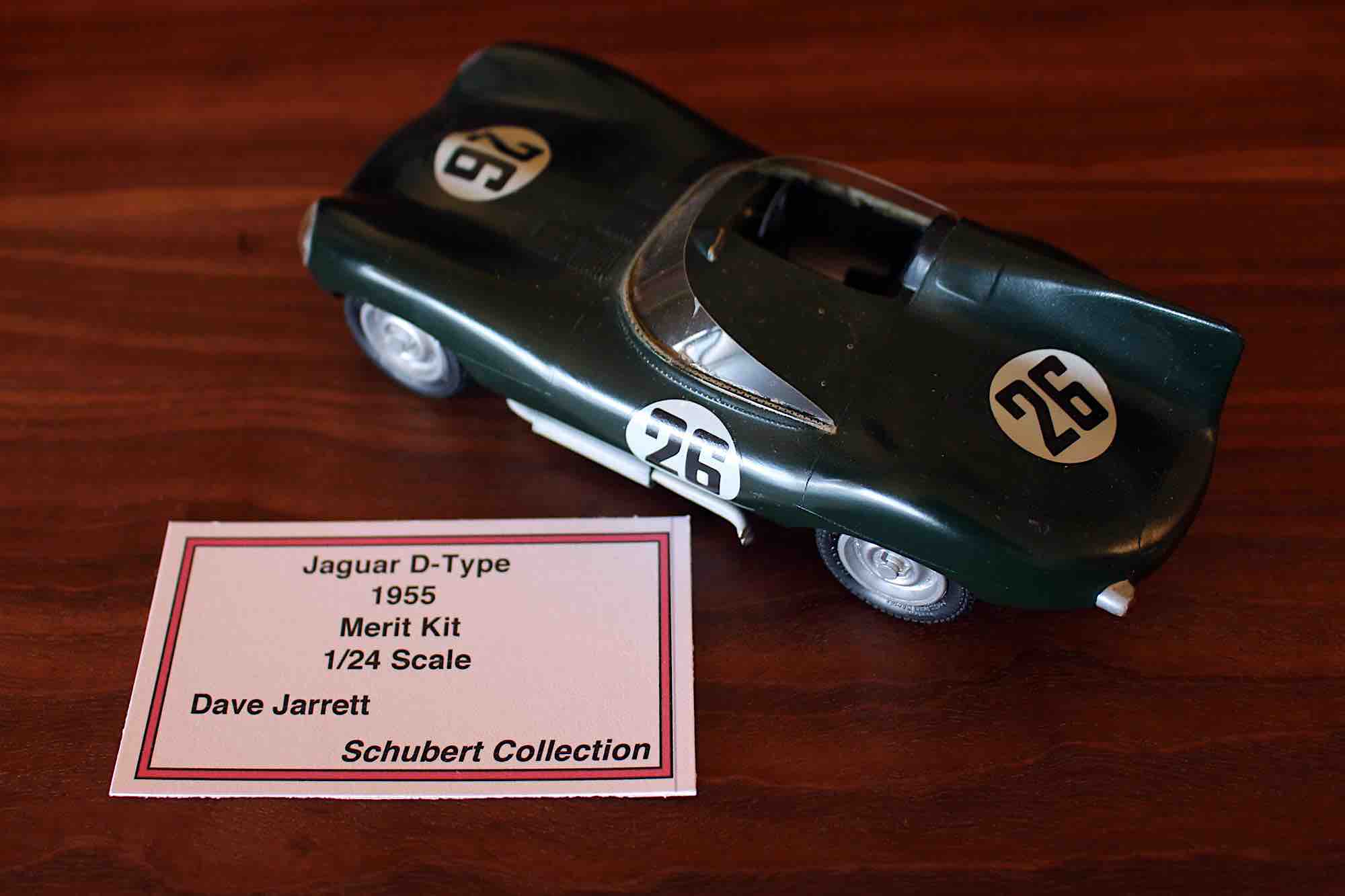
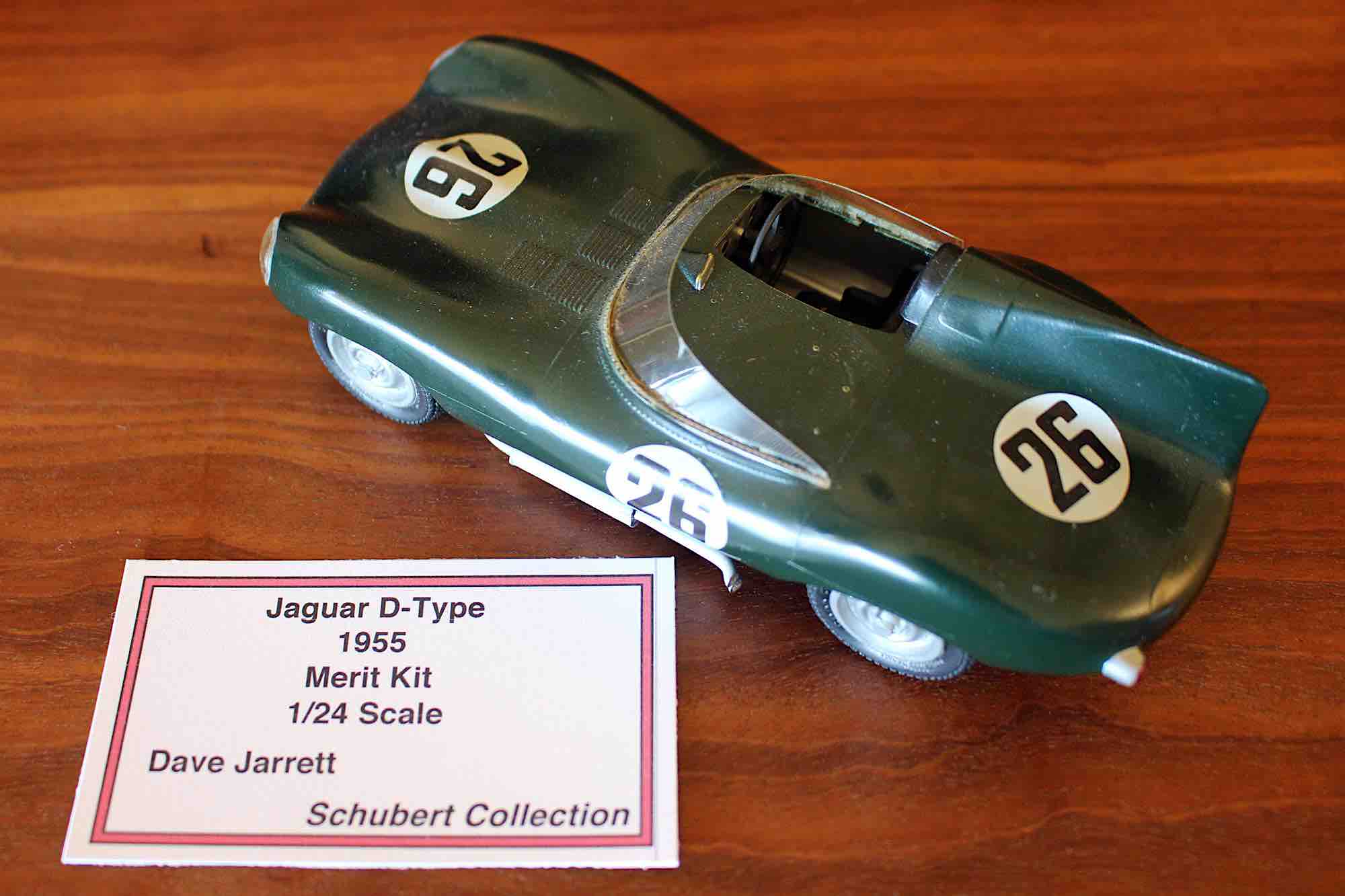
Photograph 23 of 25 · Jaguar D-Type - The D-Type is one of the most successful and iconic sports racing cars in motorsport history, custom-built by Jaguar Cars between 1954 and 1957 to dominate the grueling 24 Hours of Le Mans.
Photograph 24 of 25 · The distinctive vertical fin behind the driver's head was designed to provide aerodynamic stability at high speeds on the massive Mulsanne Straight at Le Mans. It was powered by variants of Jaguar’s legendary XK straight-six engine (initially 3.4-liters, later expanding to 3.8-liters), fitted with triple Weber carburetors and dry-sump lubrication.
Photograph 25 of 25 · 1954: In its debut year, the D-Type finished an incredibly close 2nd place to a much more powerful 4.9-liter Ferrari.
1955: Driven by Mike Hawthorn and Ivor Bueb, the factory-entered D-Type won its first Le Mans victory.
1956: The privateer team Ecurie Ecosse won Le Mans with a D-Type after the factory cars suffered mechanical issues and crashes.
1957: The absolute peak of the D-Type's history. Factory racing had ceased, but private teams dominated Le Mans, sweeping 1st, 2nd, 3rd, 4th, and 6th places overall—with Ecurie Ecosse taking the victory again.