Twenty galleries from Jim Schubert’s model collection and individual projects.
Browse the archive
Choose a collection
Selected collection
Collection 03
25 photographs in this collection. Every slide has a permanent address
that can be copied and shared.
Photograph descriptions were drafted with assistance from Google
Gemini and may contain errors. IPMS Seattle has reviewed and
corrected them where practical. If you can improve an
identification, please
contact the web coordinator.
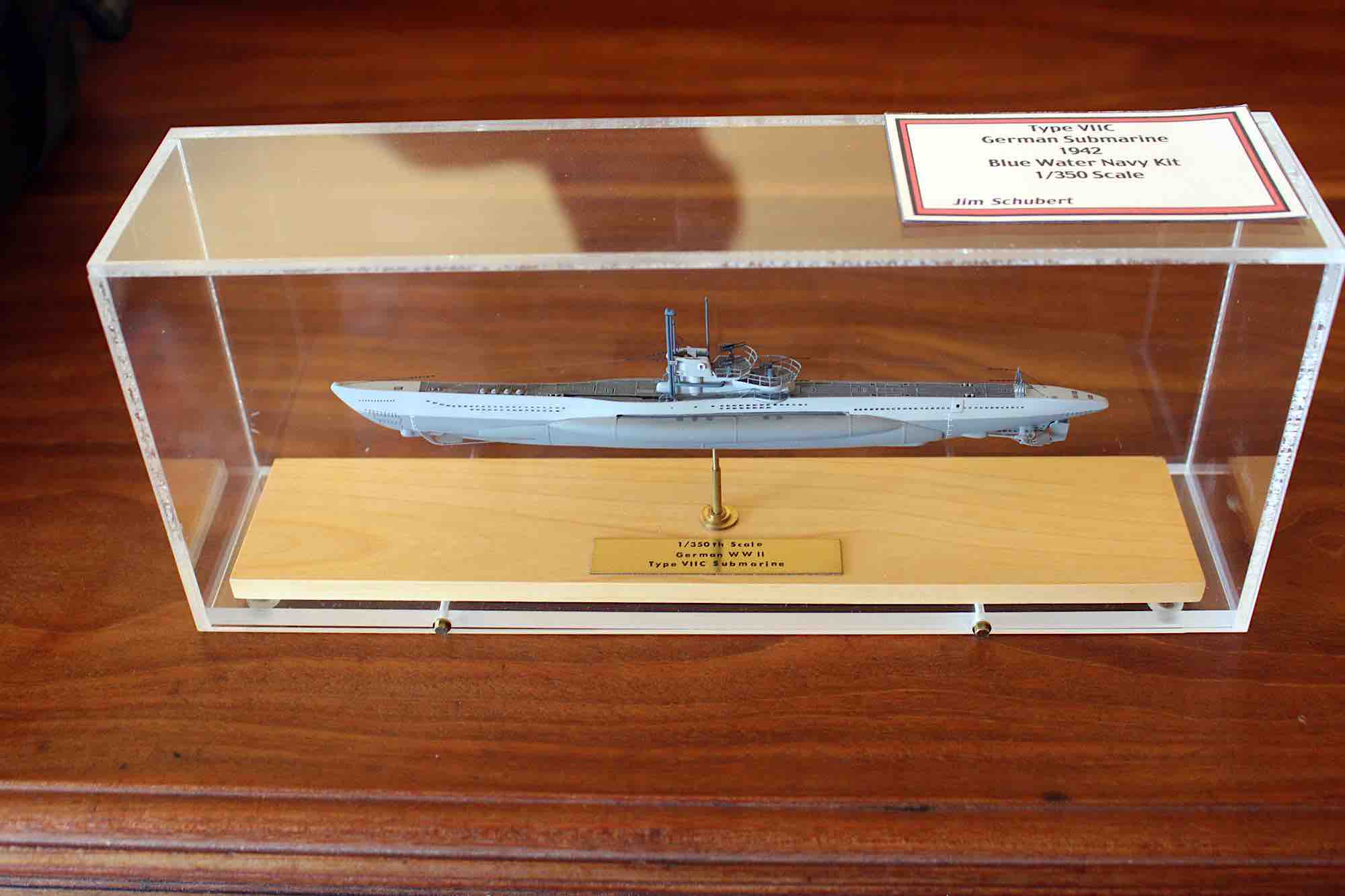
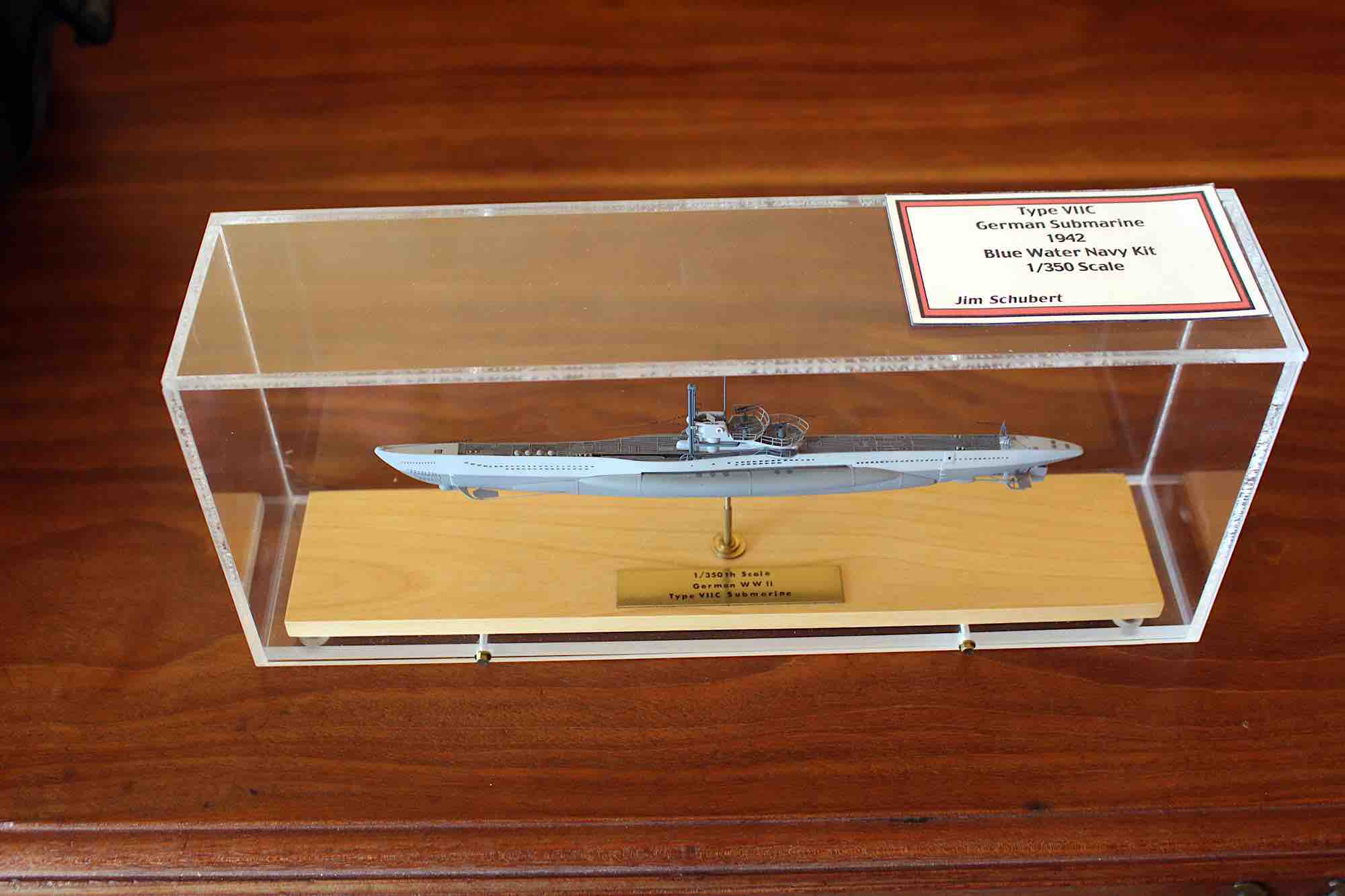
Photograph 1 of 25 · The Type VIIC U-boat became the most-produced submarine class in history, with 568 standard Type VIICs commissioned between 1940 and 1945.
Photograph 2 of 25 · Its displacement was 769 tons surfaced / 871 tons submerged, its maximum speed on the surface was 17.7 knots (powered by dual MAN or Germaniawerft diesel engines), and 7.6 knots submerged (via electric motors). It was onfigured with 5 torpedo tubes (4 bow, 1 stern) carrying a total complement of 14 torpedoes. Early-war variants carried an 8.8 cm deck gun for surface engagements, though these were phased out by 1942 in favor of heavy anti-aircraft gun arrays to counter Allied air patrols.
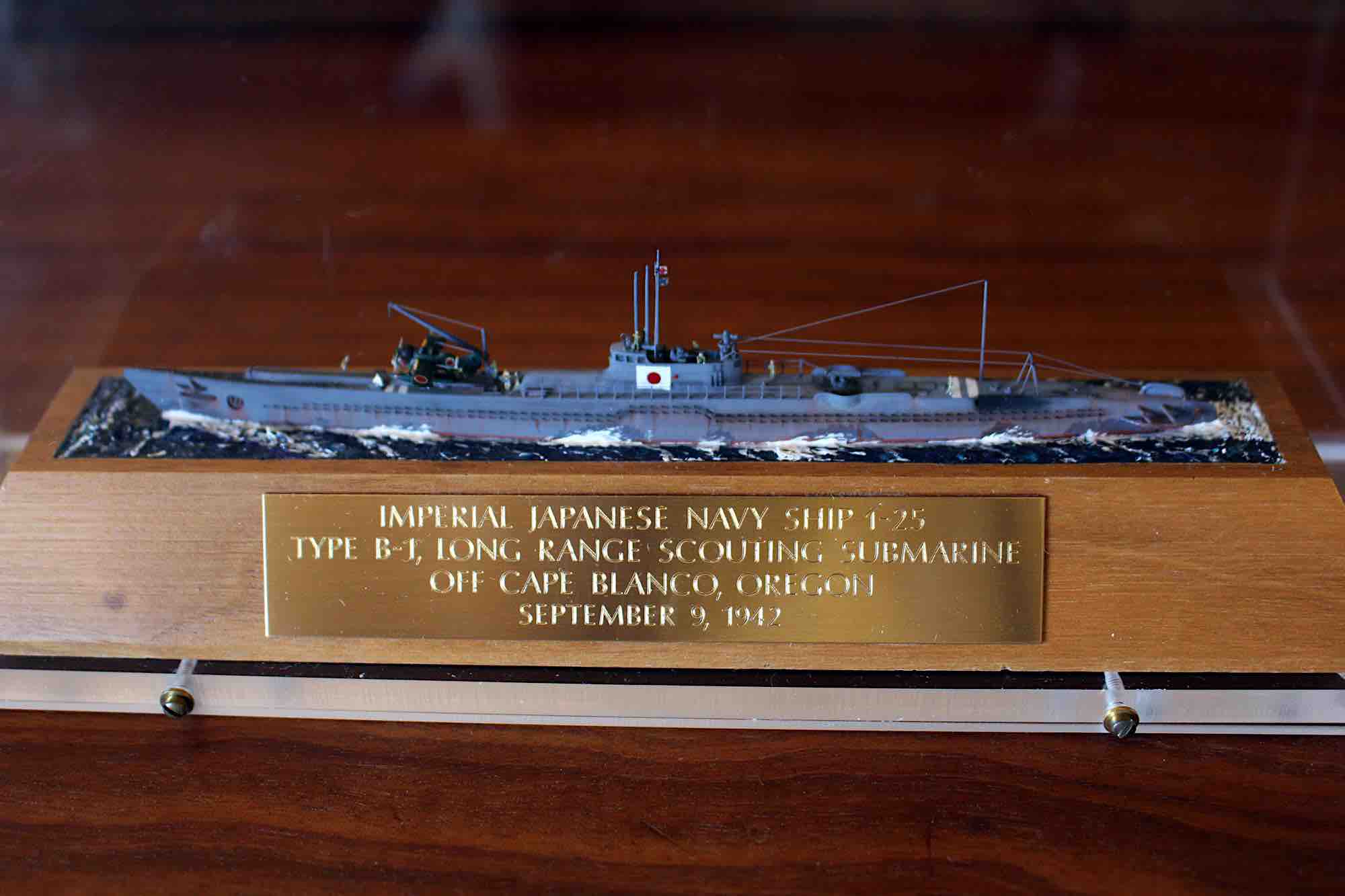
Photograph 3 of 25 · The Imperial Japanese Navy Submarine I-25 became one of the most famous Japanese submarines of World War II because it was the only Axis vessel to successfully launch an aerial bombing raid on the continental United States. The I-25 surfaced off the coast of Oregon near the mouth of the Columbia River. Using its 14 cm deck gun, it fired 17 explosive shells at Fort Stevens, a coastal defense installation. The fort's commander ordered a total blackout and chose not to return fire to avoid revealing the location of his outdated artillery batteries. The shelling caused minimal damage (hitting a baseball field backstop and phone lines, and any fires were quickly put out by the typical Pacific Northwest rainfall) but marked the first foreign military attack on a U.S. mainland base since the War of 1812.
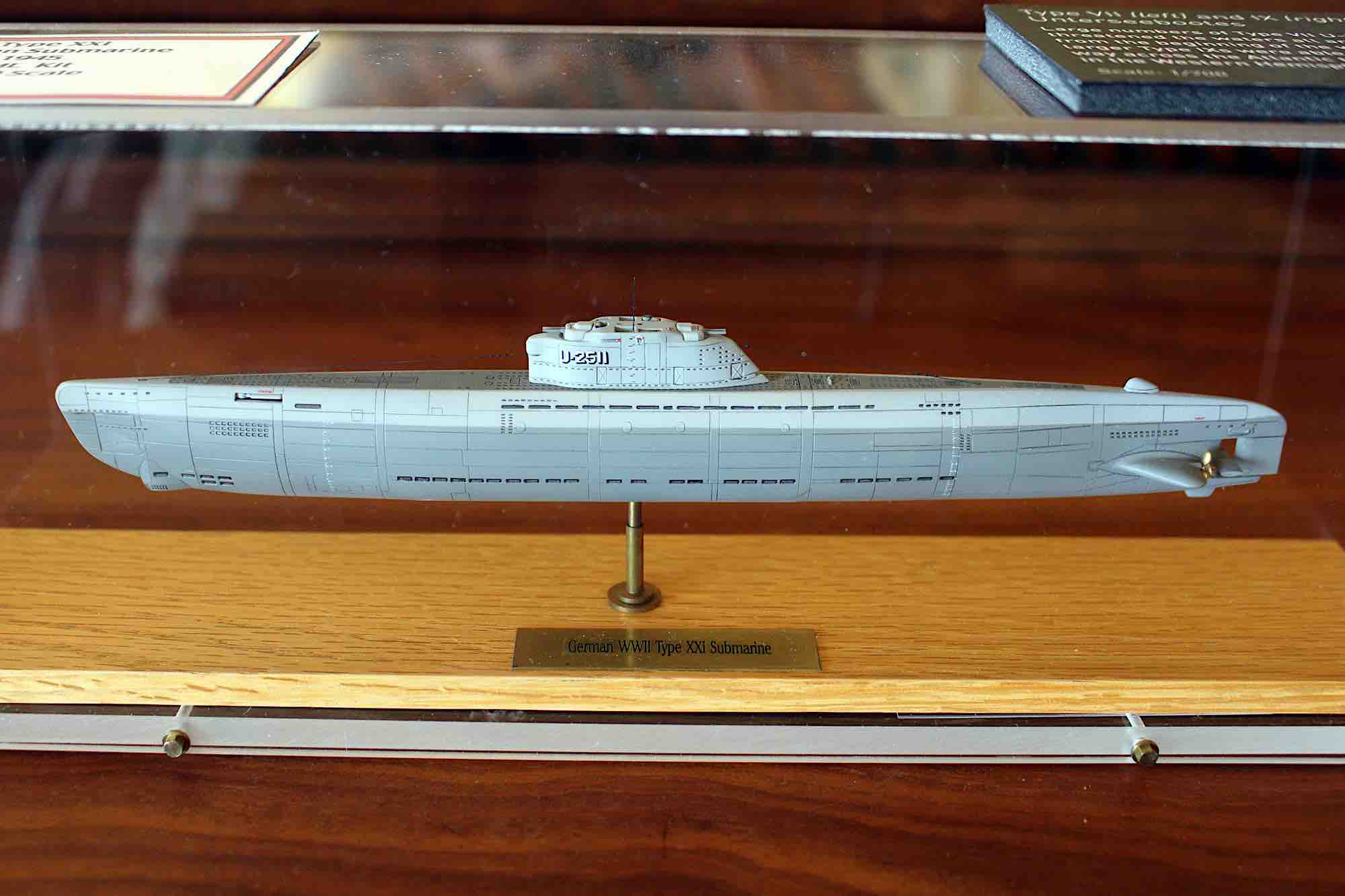
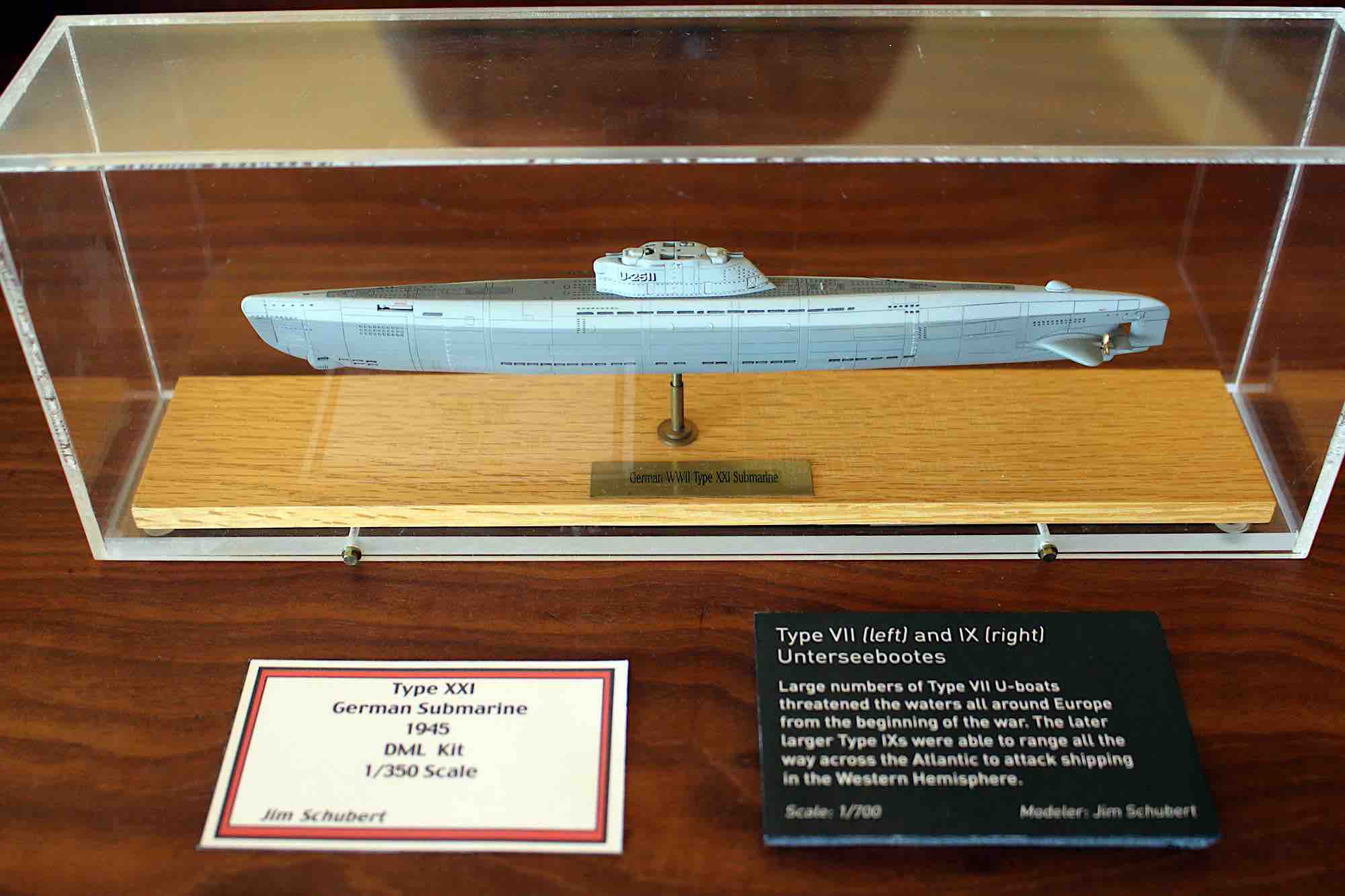
Photograph 4 of 25 · The German Type XXI U-boat (known as the Elektroboot) was a revolutionary vessel designed by Nazi Germany’s Kriegsmarine toward the end of World War II. It is widely recognized by naval historians as the first true modern submarine. Though Germany successfully completed and commissioned roughly 118 Type XXI boats, only two ever conducted active operational patrols
Photograph 5 of 25 · Because the inland factories used inexperienced industrial labor rather than specialist marine shipwrights, severe manufacturing tolerance failures occurred. Sections arrived warped or slightly mismatched in size, forcing shipyards to manually cut apart and rebuild the steel hulls from scratch before they could pass pressure testing. Combined with Allied bombing campaigns targeting transit lines, production ground to a crawl.
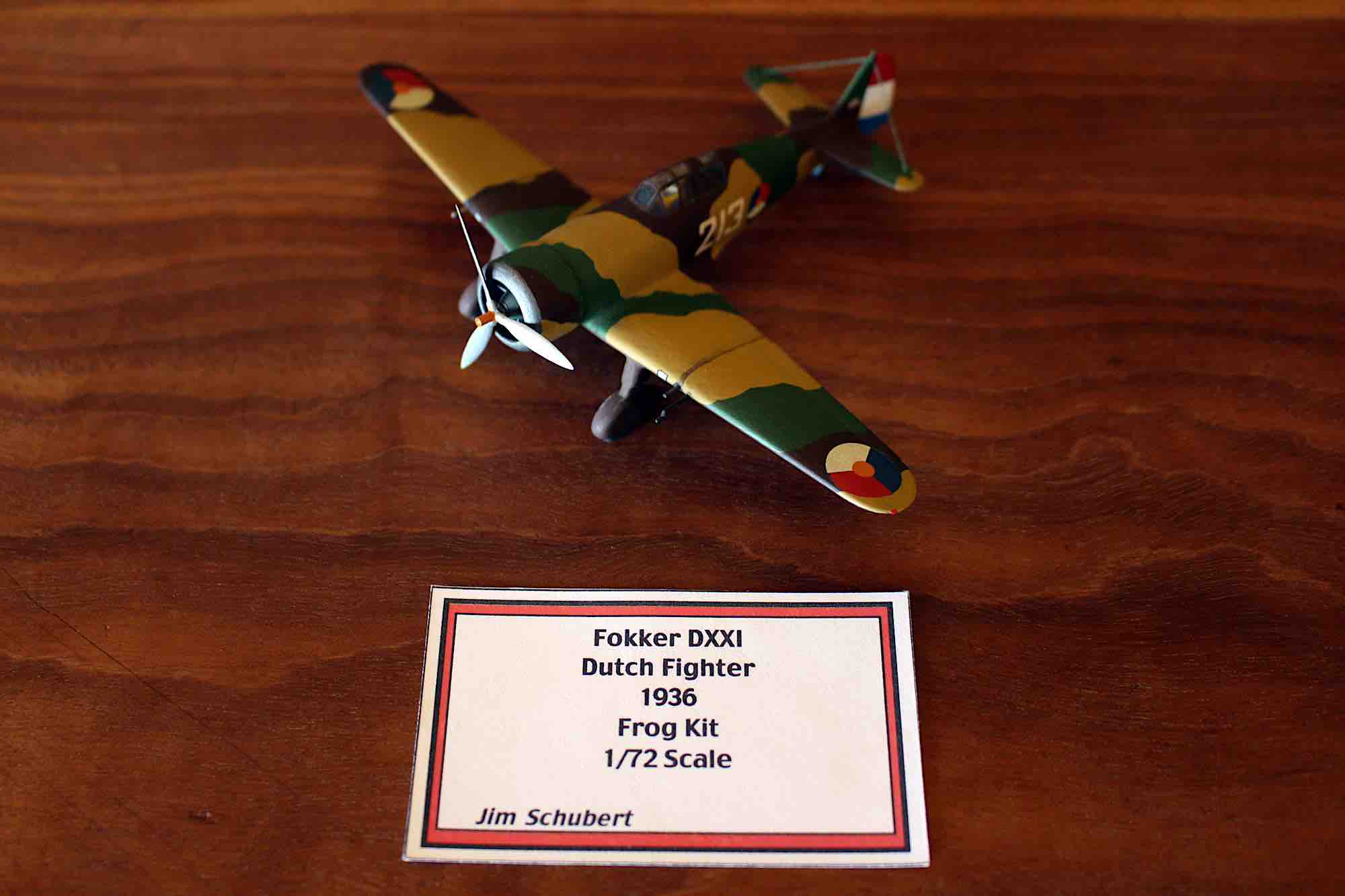
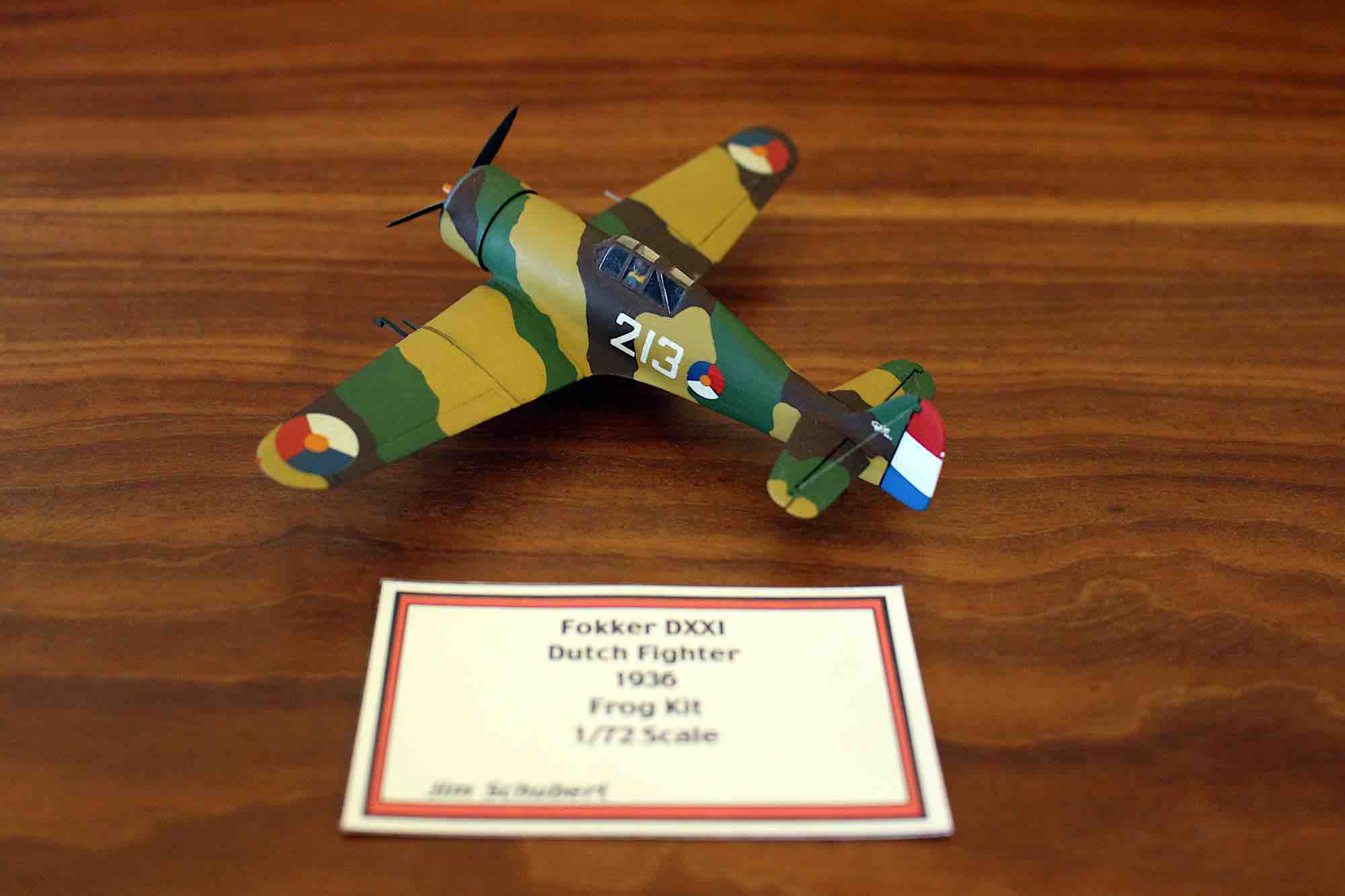
Photograph 6 of 25 · The Fokker D.XXI was a rugged, low-wing monoplane fighter designed in 1935 by Erich Schatzki for the Dutch manufacturer Fokker. It was deliberately engineered as an inexpensive, practical, and highly sturdy alternative to the complex all-metal fighters emerging in the late 1930s.
Photograph 7 of 25 · Constructed with a fabric-and-metal covered welded steel-tube fuselage, a wooden wing, and a prominent fixed, spatted landing gear, it was powered by a Bristol Mercury radial engine. While it lacked the absolute top speed of contemporary interceptors like the Messerschmitt Bf 109, its exceptional maneuverability, reliability, and diving strength made it a formidable defensive weapon.
Photograph 8 of 25 · When Nazi Germany invaded the neutral Netherlands on May 10, 1940, the Dutch Army Aviation Group (Luchtvaartafdeling) had only 28 operational Fokker D.XXIs to defend their airspace against more than a thousand Luftwaffe warplanes. Using their superior turning agility and low-altitude tactics, Dutch pilots bypassed the speed advantage of escorting Bf 109s. They successfully ambushed waves of vulnerable German Junkers Ju 52 transport aircraft.
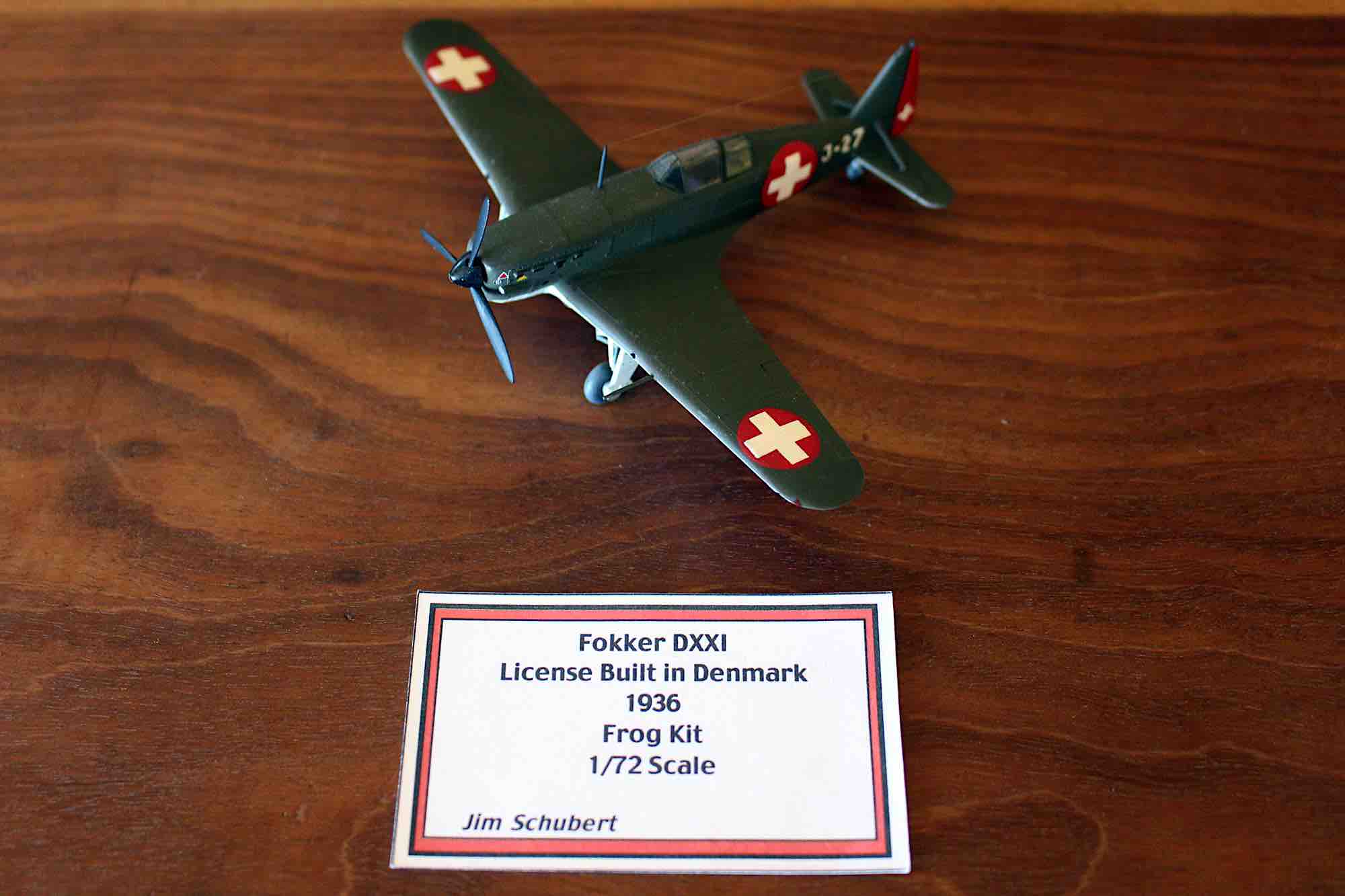
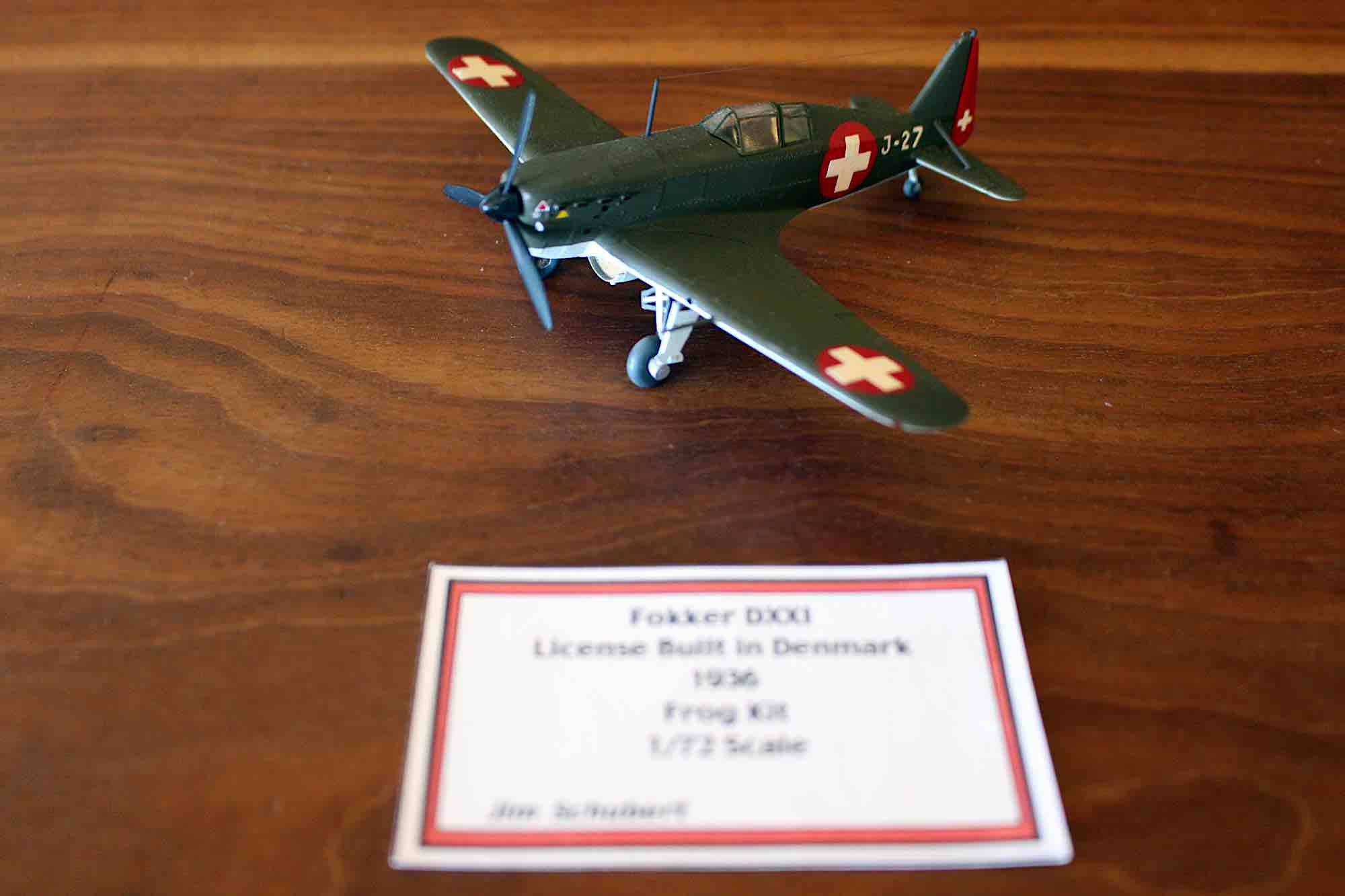
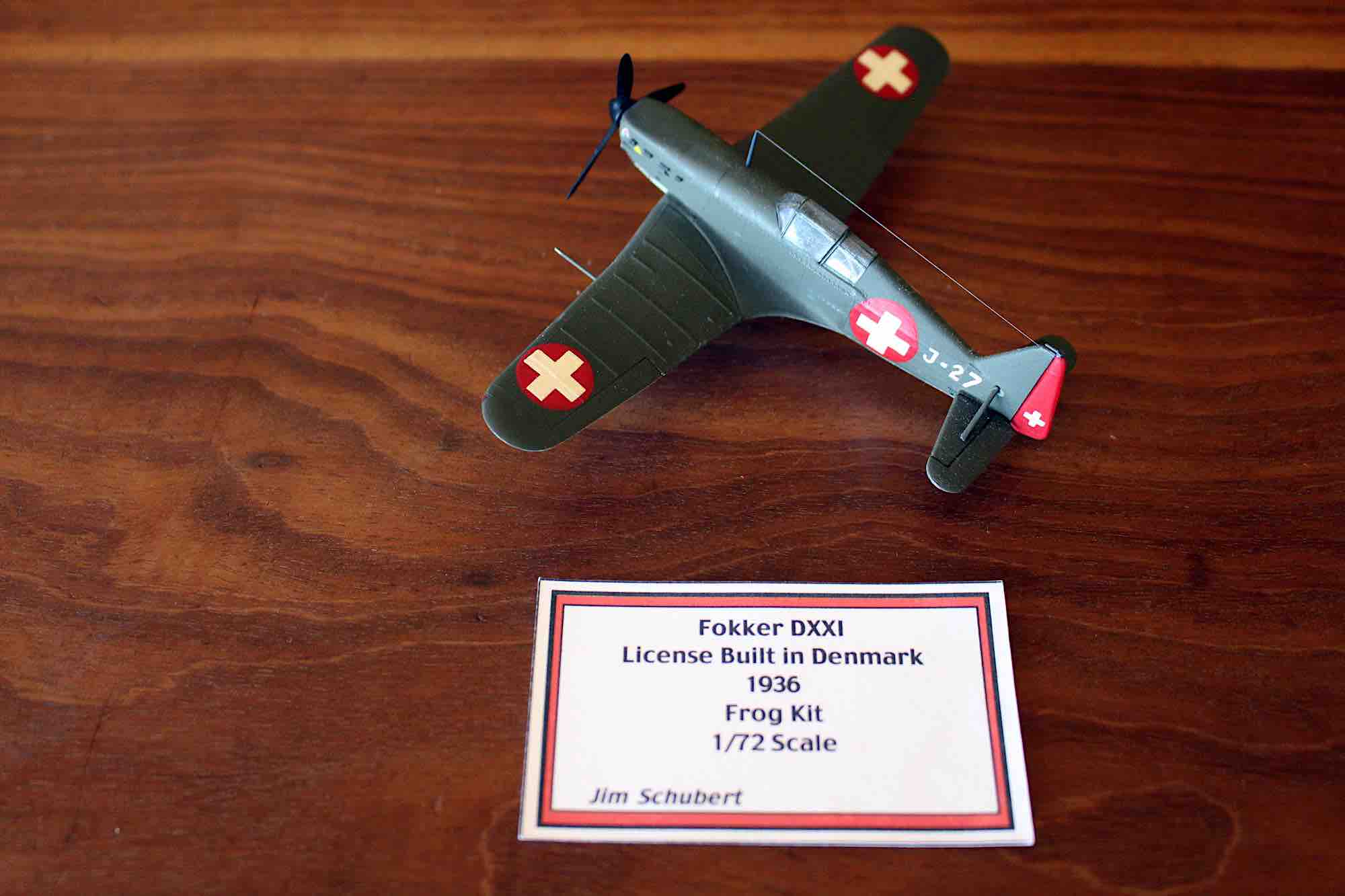
Photograph 9 of 25 · In 1938, anticipating the outbreak of war in Europe, Switzerland acquired a license from France to locally produce the Morane-Saulnier M.S.406. Manufactured by EKW (Eidgenössische Konstruktionswerkstätten), the Swiss-built version was designated the D-3800.
Photograph 10 of 25 · A pre-series of 8 aircraft flew in 1939, followed by 74 standard production units built through 1940. While highly maneuverable, the Swiss military quickly realized the D-3800 was underpowered and outmatched by cutting-edge German fighters like the Messerschmitt Bf 109. When France fell to Germany in 1940, Swiss cooperation with Morane-Saulnier was cut off. To keep pace with rapidly evolving military aviation, EKW took over an uncompleted French improvement program (the M.S.412) to evolve the airframe into the D-3801.
Photograph 11 of 25 · Throughout the war, these aircraft actively patrolled Swiss airspace to intercept foreign bombers and fighters trespassing over the country's sovereign territory. Because both the Allied forces and the Axis powers operated camo-painted aircraft over Europe, Switzerland painted vibrant, high-visibility red-and-white "neutrality stripes" across the wings and fuselages of their fleet to prevent mistaken engagements by foreign aircraft or their own anti-aircraft batteries.
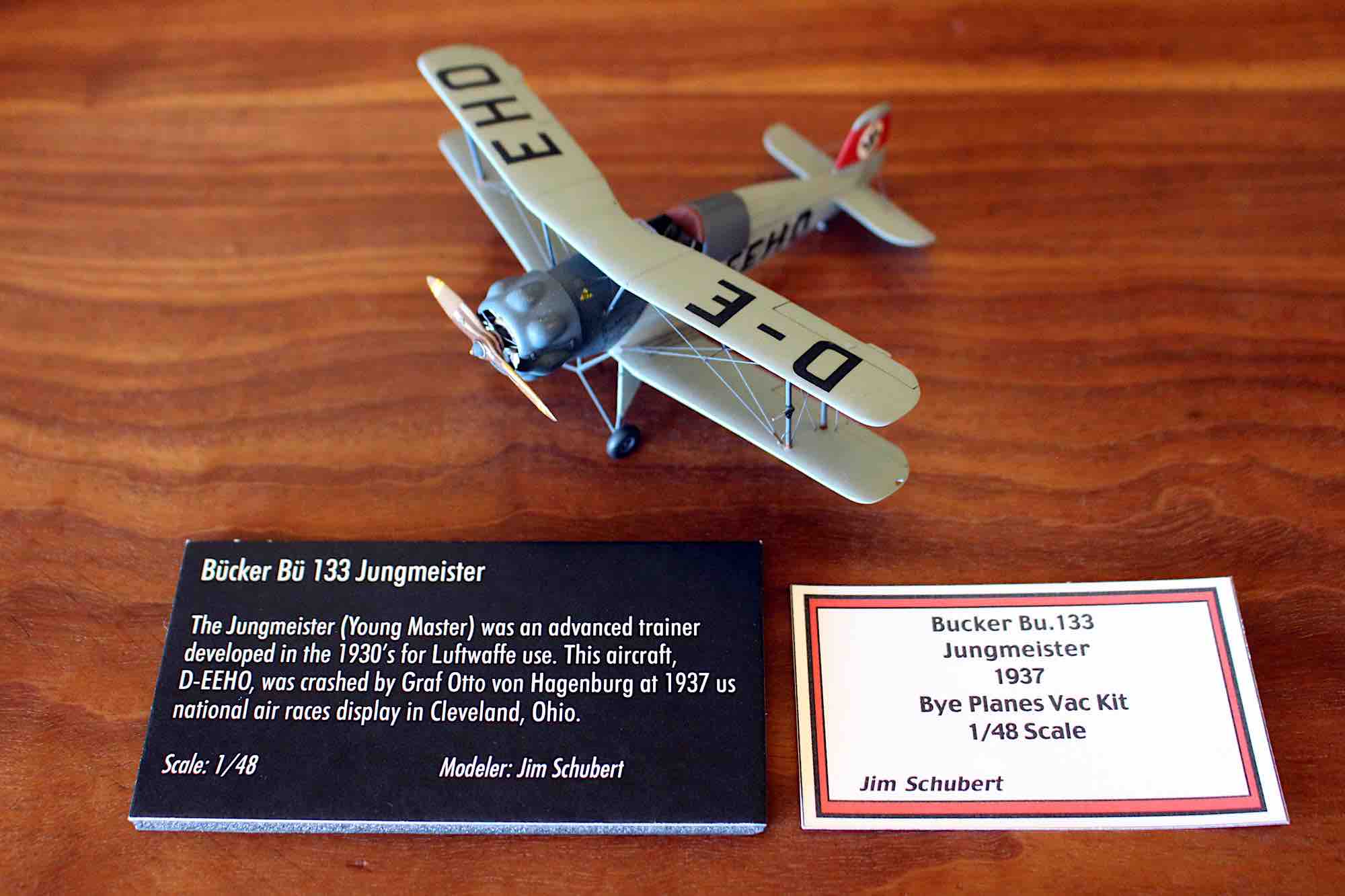
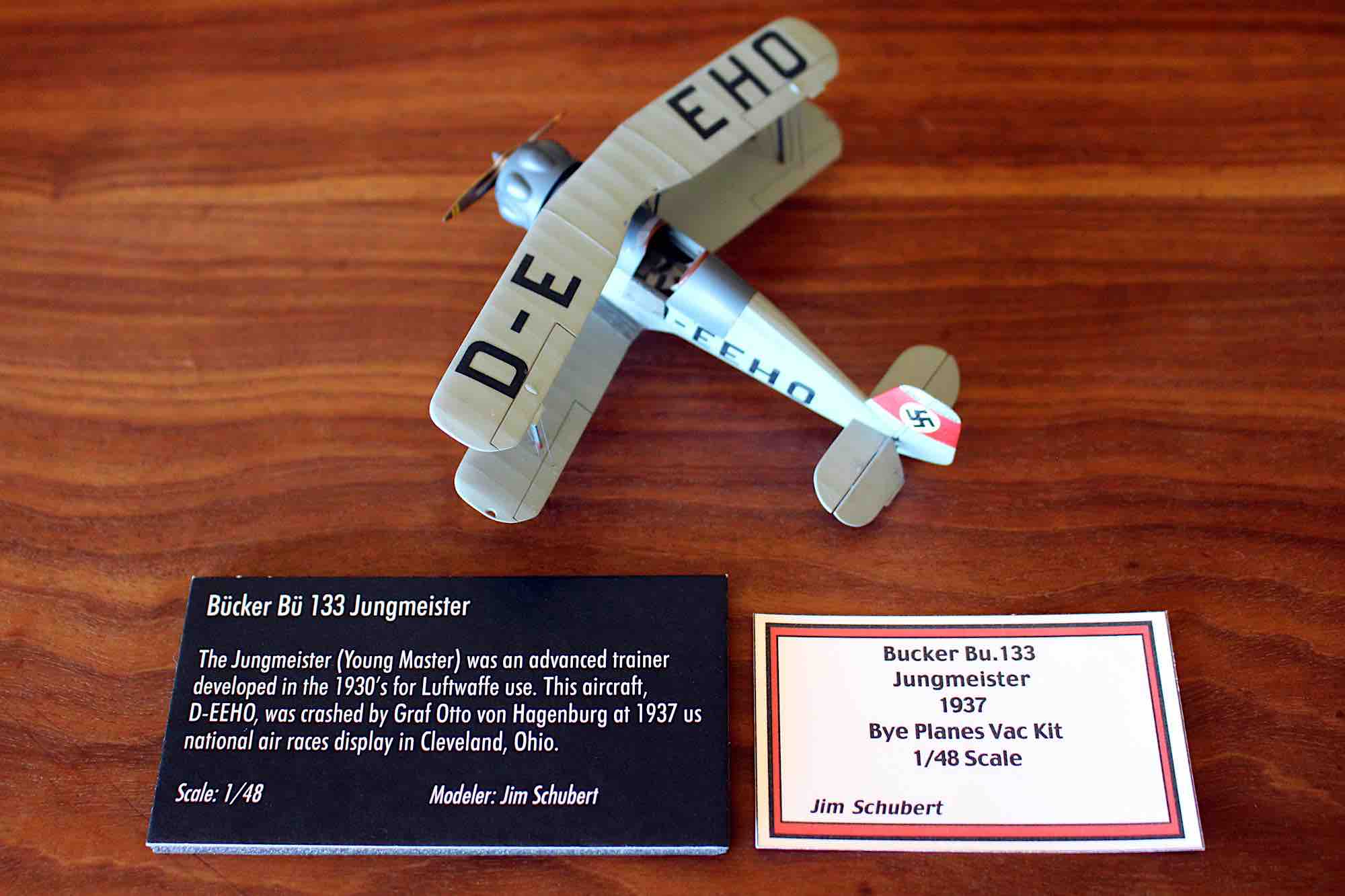
Photograph 12 of 25 · The Bücker Bü 133 Jungmeister (German for "Young Master") was a legendary 1930s single-seat advanced aerobatic trainer. It was a production biplane built in Germany that completely dominated international aerobatic competitions throughout the 1930s and 1940s.
Photograph 13 of 25 · The plane astounded international crowds starting at the 1936 International Aerobatic Championship in Rangsdorf. Famous display frame variants were flown extensively in the United States. Notably, Romanian pilot Alex Papana transported a Jungmeister across the Atlantic inside the Hindenburg zeppelin to fly at the 1937 Cleveland National Air Races — the exact competitive theater commemorated by the model in this image.
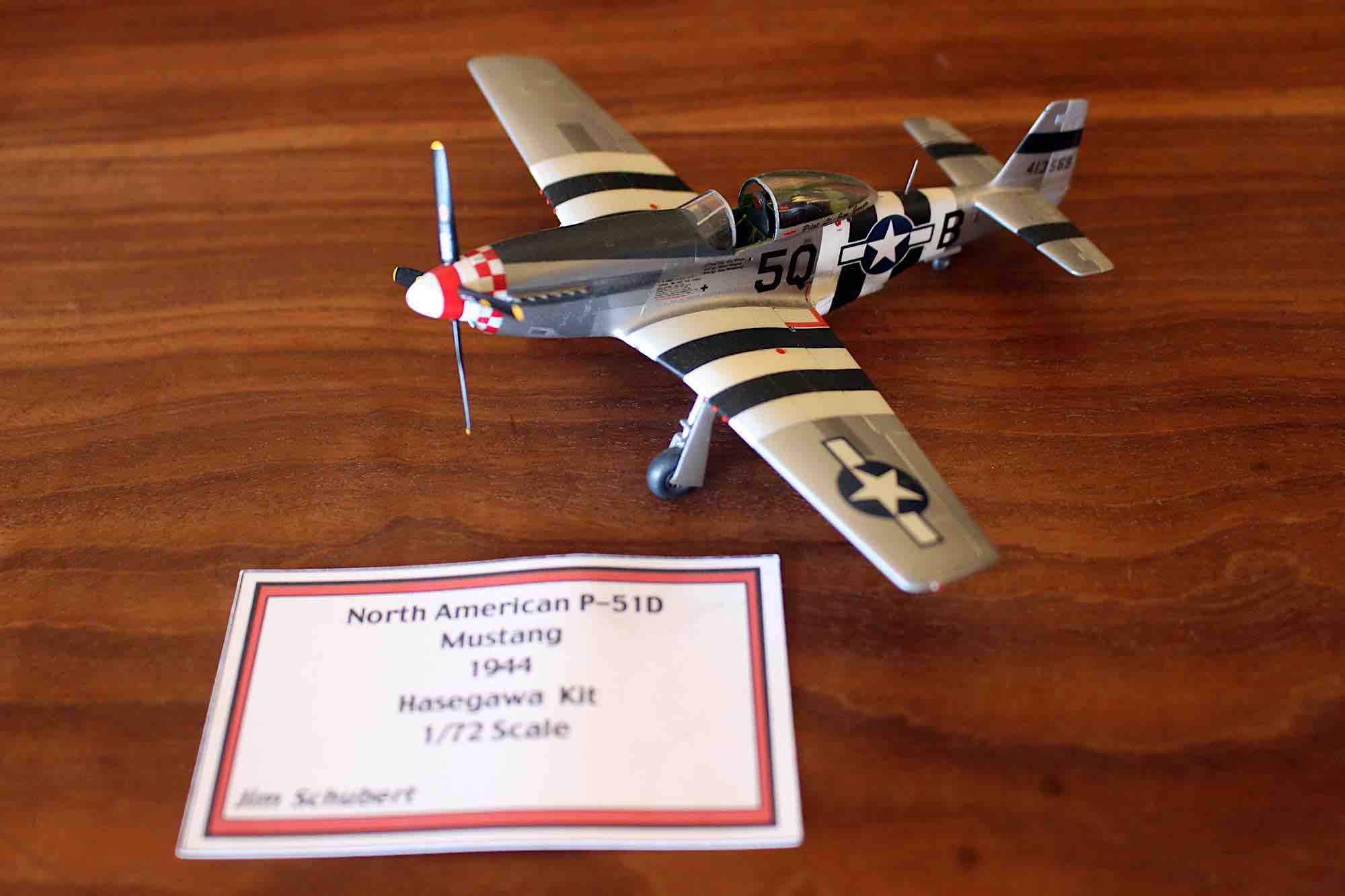
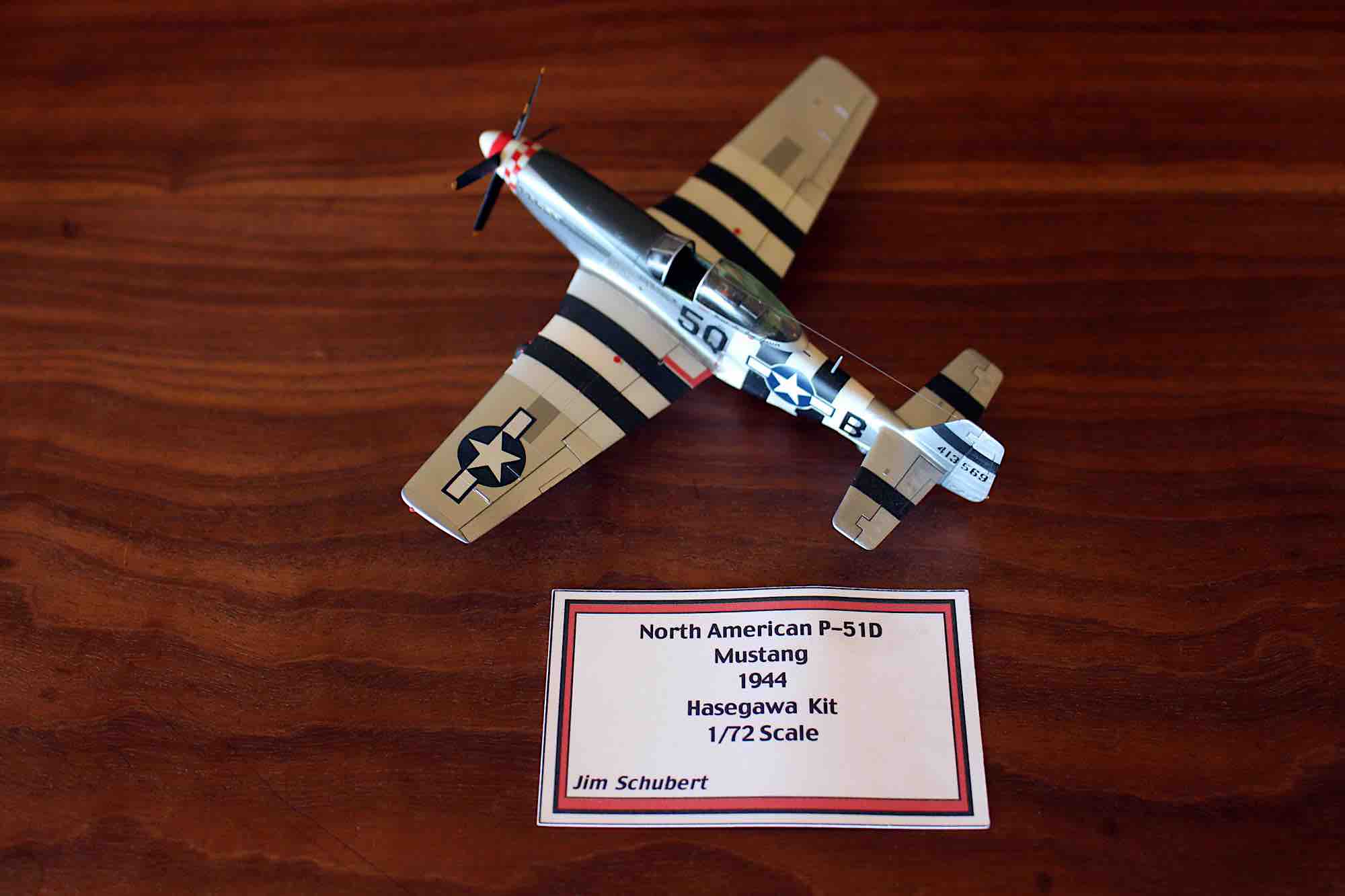
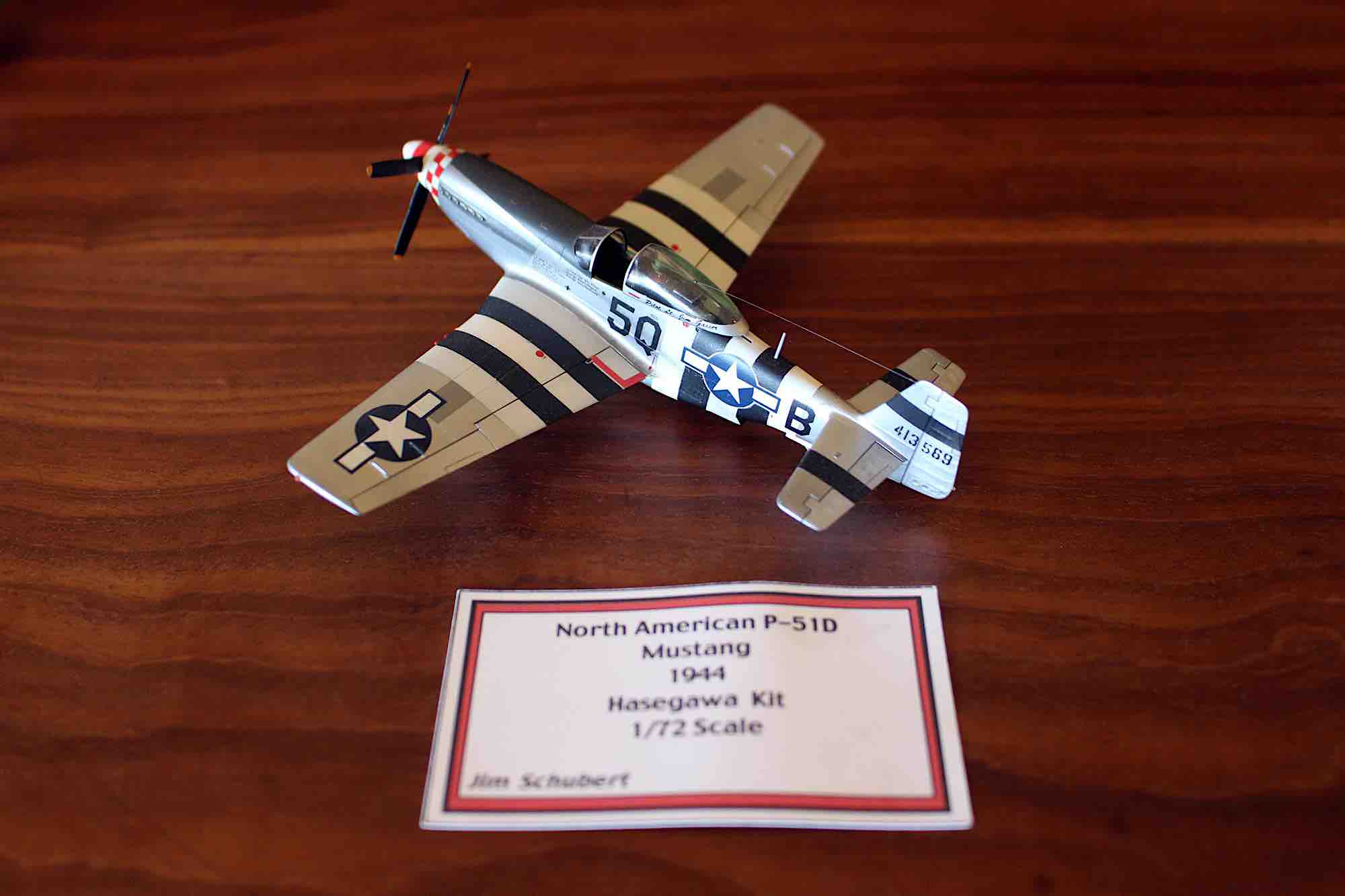
Photograph 14 of 25 · This particular P-51D Mustang, "Sky Bouncer", was one of four aircraft in the Bottisham Four formation. On July 26, 1944, a flight of four P-51 Mustangs from the 375th Fighter Squadron, 361st Fighter Group, stepped into history. Flying out of RAF Bottisham in Cambridgeshire, England, they intercepted a B-17 Flying Fortress camera ship to take promotional and publicity photographs. The resulting color and black-and-white images became some of the most widely recognized photos of the air war in Europe. In the famous staggered formation photo, 44-13568 flew in the number three position.
Photograph 15 of 25 · The aircraft was the assigned mount of Captain Bruce W. "Red" Rowlett, the Operations Officer for the 375th Fighter Squadron. Later in its operational career, it was handed down to other pilots within the squadron. At one point, its yellow nose markings were updated, a fin-fillet extension was added to the tail for stability, and it was renamed "Alice Marie". On April 3, 1945 it suffered engine failure on takeoff and was destroyed in a belly-landing crash, at Cambron-Casteau, Belgium. The pilot at the time, Jared M. Lundin, miraculously survived.
Photograph 16 of 25 · North American P-51D Mustang
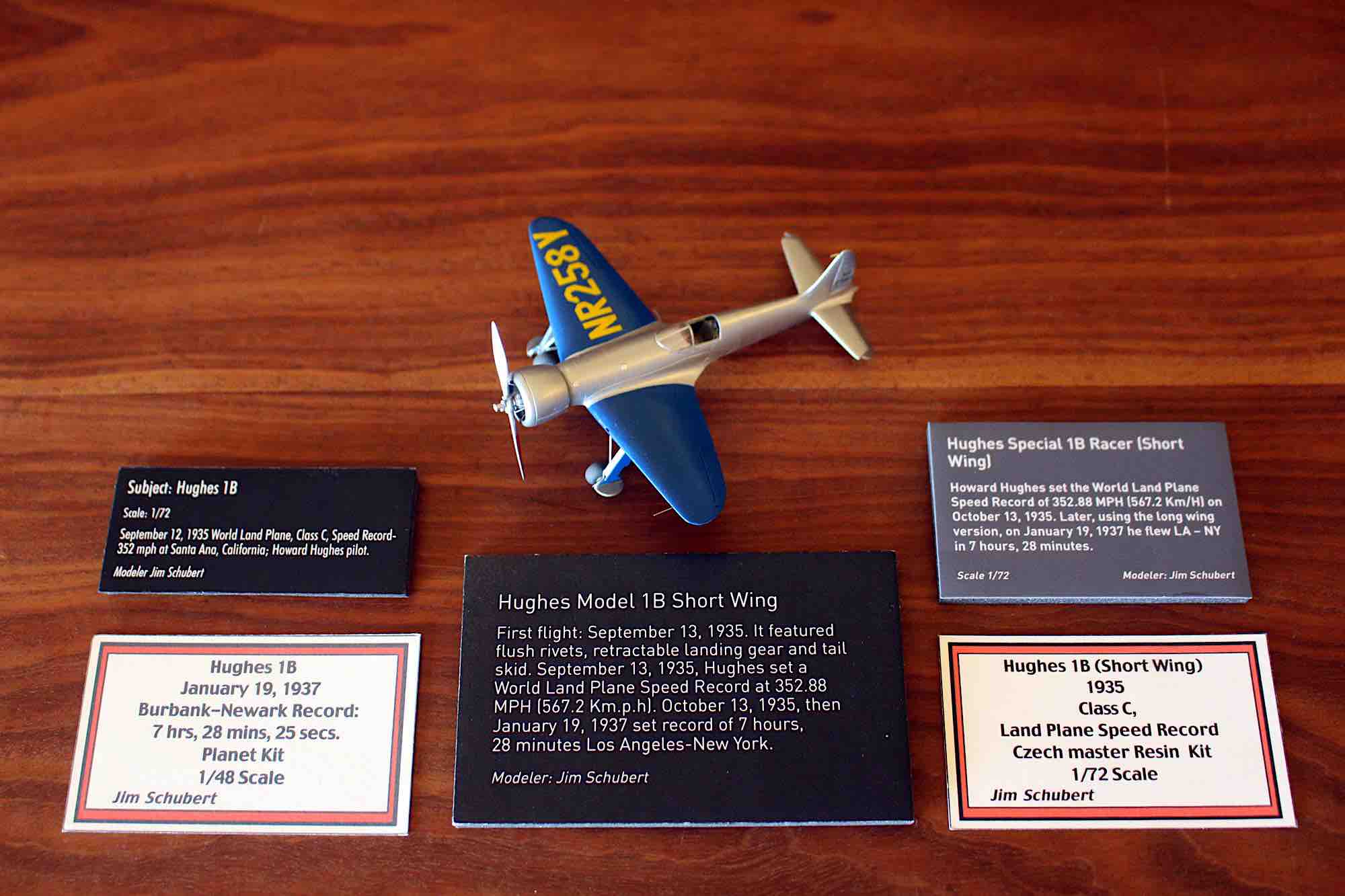
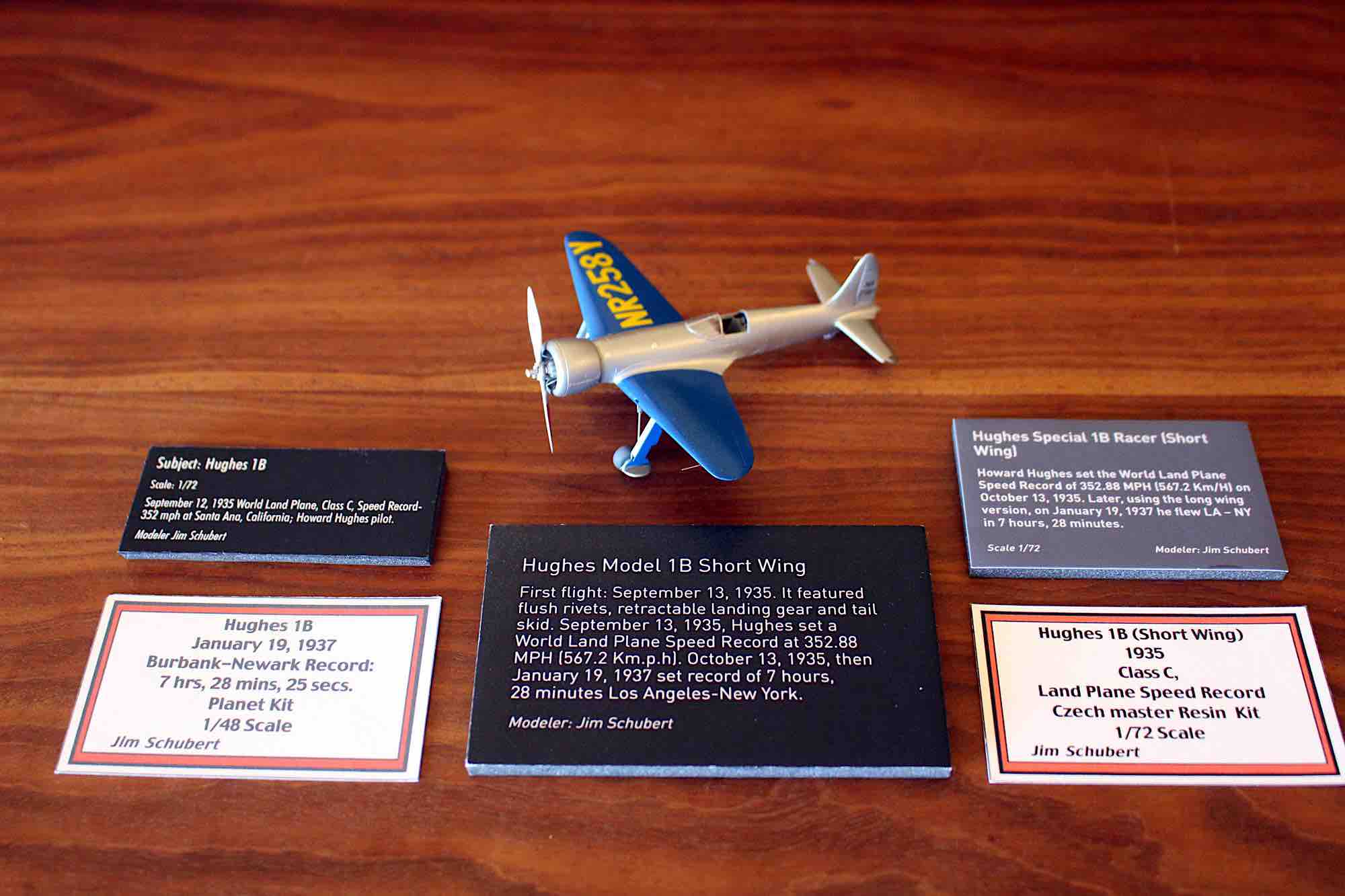
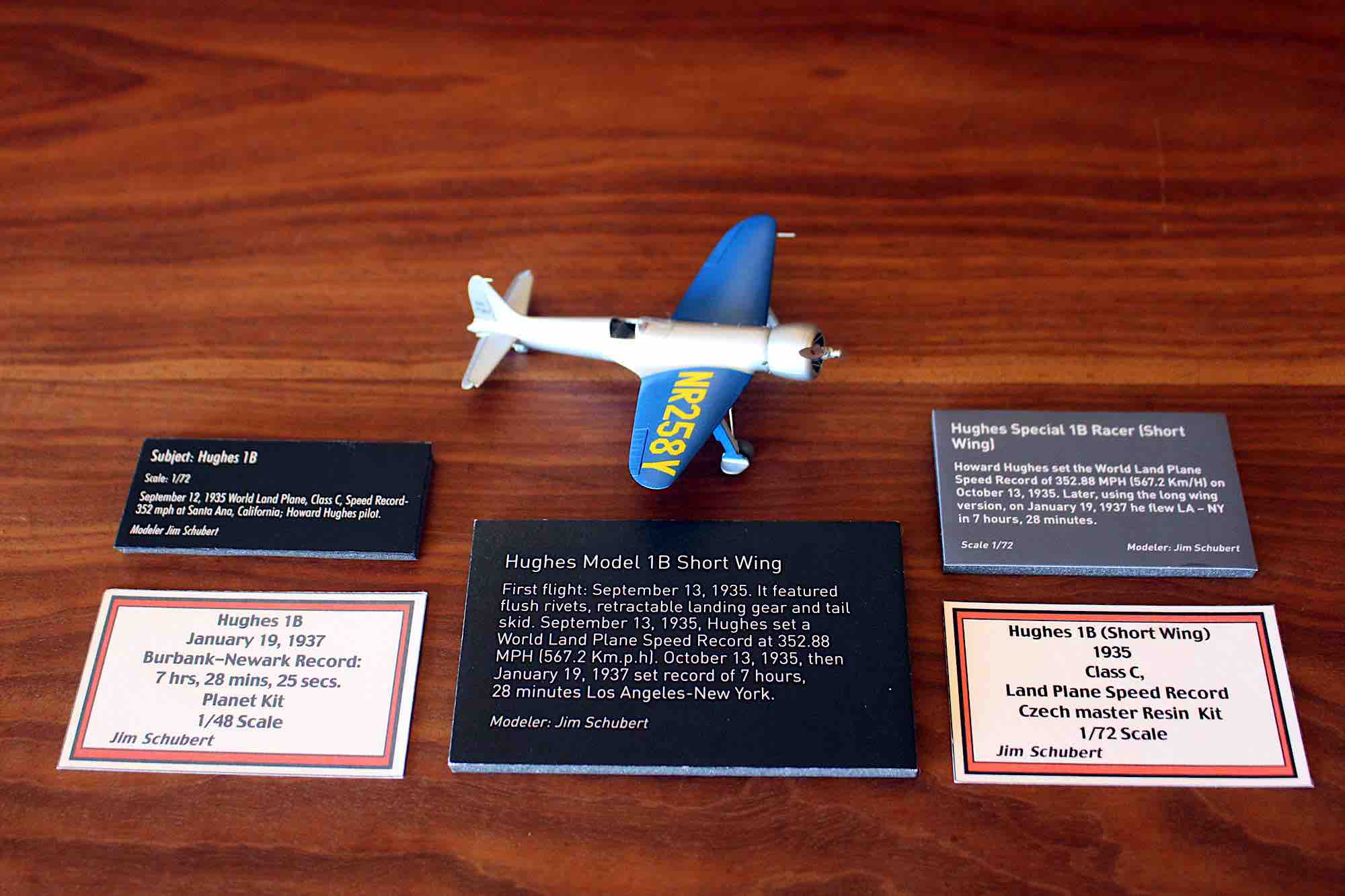
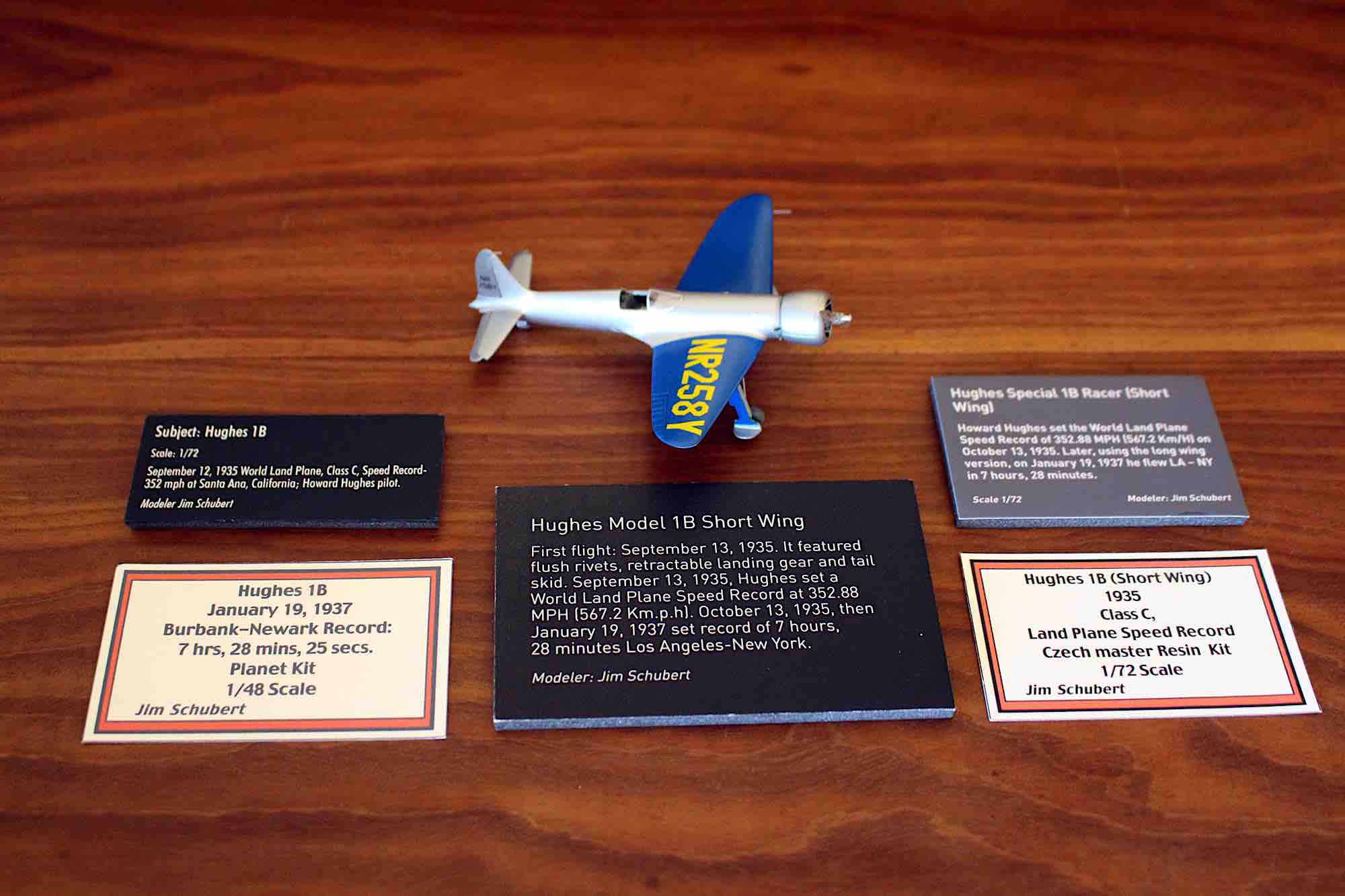
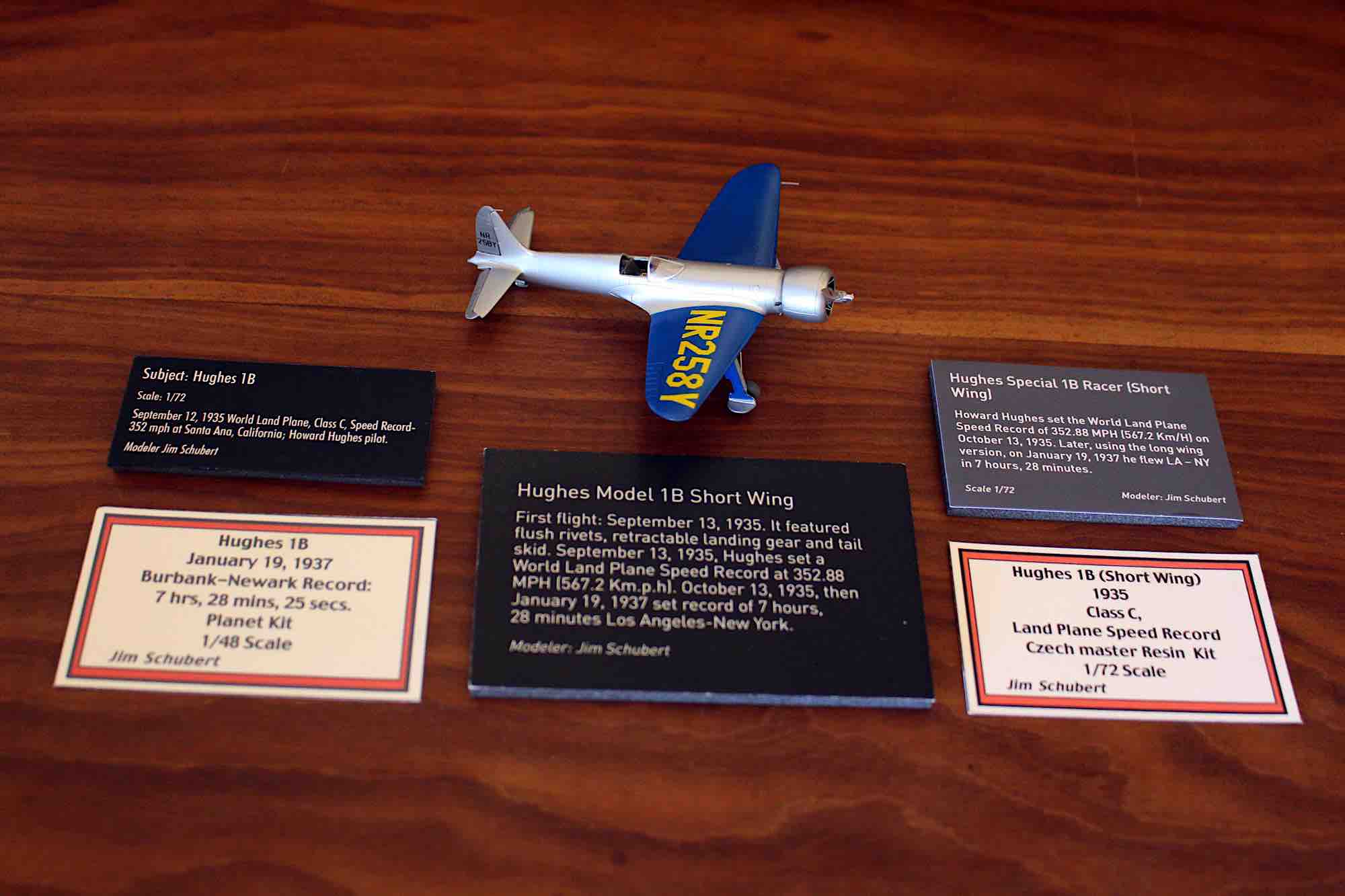
Photograph 17 of 25 · The Hughes H-1 Racer (also known as the 1B Racer) is one of the most iconic and technologically advanced aircraft of the golden age of aviation. Developed in 1935 by legendary aviator and business magnate Howard Hughes alongside engineer Richard Palmer, it was built by master mechanic Glenn Odekirk with a singular focus: to be the fastest landplane in the world.
Photograph 18 of 25 · The H-1 achieved immortality by shattering two major aviation speed milestones using two interchangeable sets of wings. Fitted with its short-span wings (31 ft 9 in), Hughes piloted the racer over a timed course in Santa Ana, California, reaching 352.39 mph (567.11 km/h). On his final pass, the aircraft ran out of fuel, forcing Hughes to make a safe belly landing in a nearby beet field.
Photograph 19 of 25 · Re-fitted with its long-span wings for high-altitude efficiency, Hughes flew the plane non-stop from Los Angeles (Burbank) to Newark, New Jersey. He completed the journey in 7 hours, 28 minutes, and 25 seconds, averaging a blistering speed of 332 mph.
Photograph 20 of 25 · It was one of the first aircraft to utilize completely flush rivets and butt-joined aluminum skin panels, creating a perfectly smooth metal fuselage. It was powered by a heavily modified Pratt & Whitney R-1535 Twin Wasp Junior radial engine tuned to produce roughly 1,000 horsepower, enclosed in a tightly tailored cowl.
Photograph 21 of 25 · While the fuselage was polished all-metal monocoque, the wings were meticulously crafted from wood and sanded to a glass-smooth finish to eliminate parasitic drag. The main landing gear and even the hydraulic tail skid retracted completely into the airframe to preserve its clean lines.
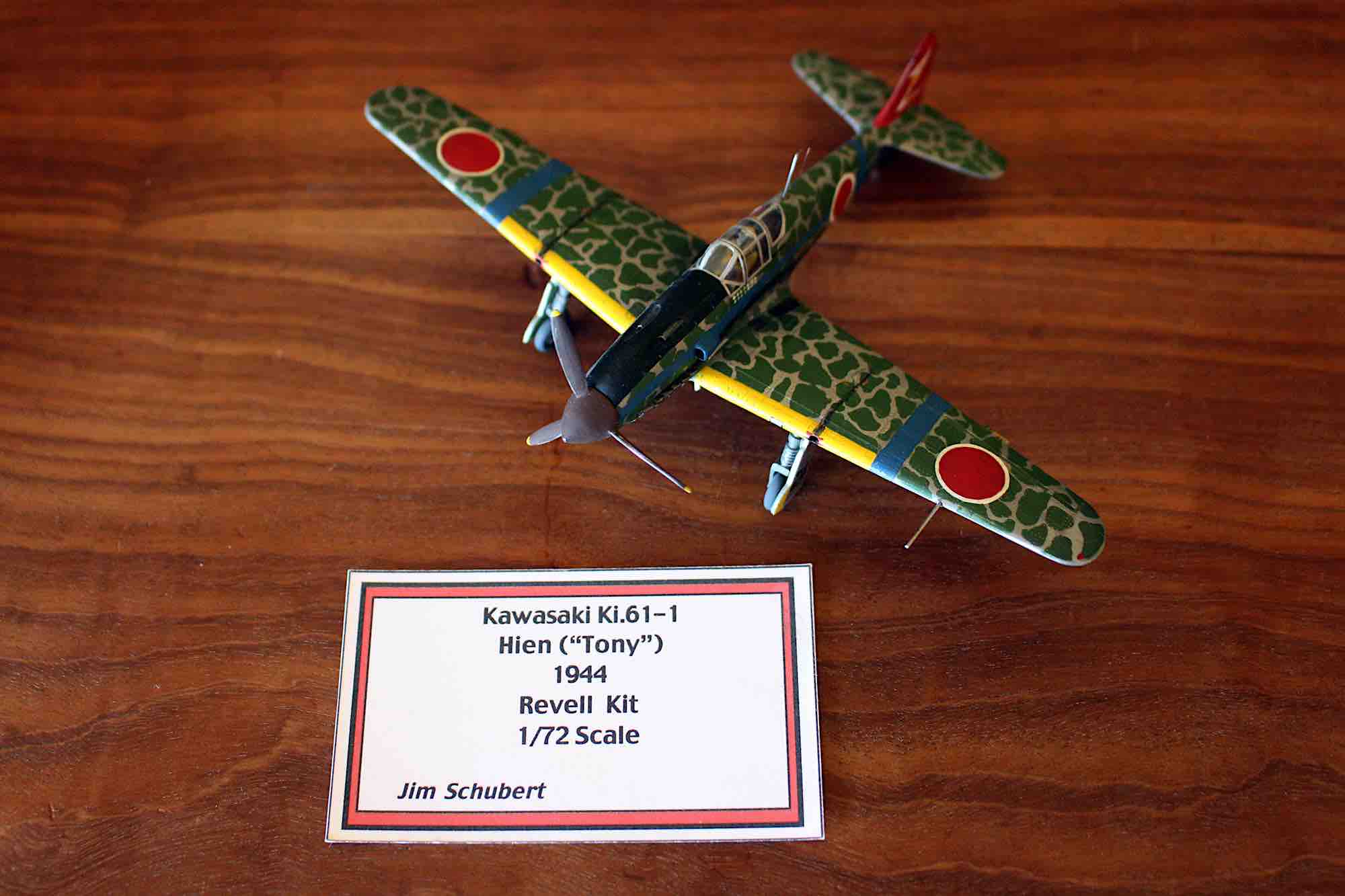
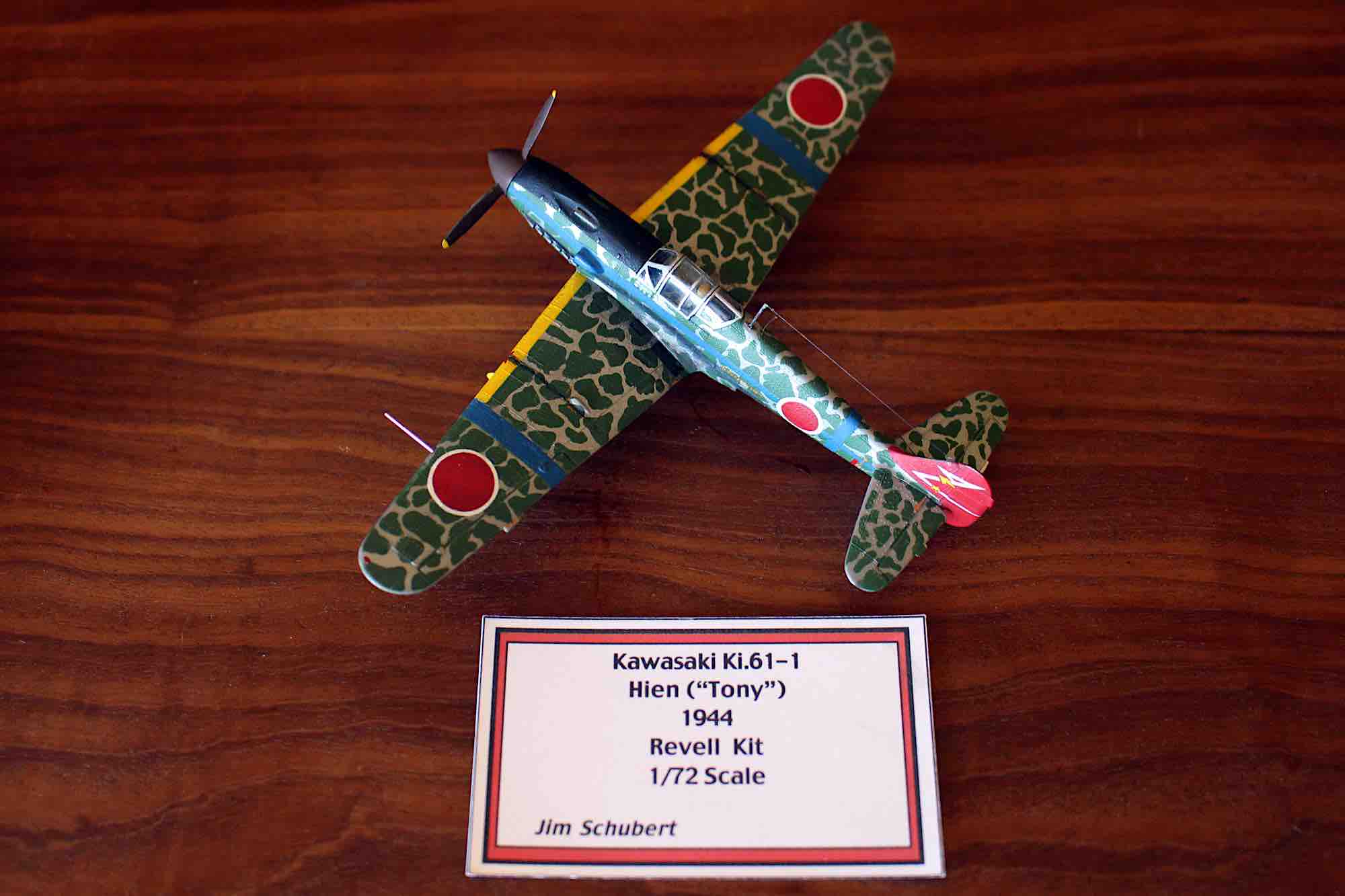
Photograph 22 of 25 · The Kawasaki Ki-61-1 Hien ("Tony") (飛燕, meaning "Flying Swallow") was one of the most distinctive Japanese fighter aircraft of World War II. Designated by the Imperial Japanese Army as the Army Type 3 Fighter, it broke conventional design trends and surprised Allied forces when it debuted in combat.
Photograph 23 of 25 · When Allied crews first encountered the Ki-61 over New Guinea in 1943, its European look caused massive intelligence confusion. Military analysts initially assumed it was a license-built German Messerschmitt Bf 109 or derived from an Italian design, such as the Macchi C.202. Because of this early theory that it was of Italian origin, the United States War Department assigned it the casual Allied reporting name "Tony". Technical inspections of captured wrecks later confirmed the airframe was completely original and wholly designed by Japan.
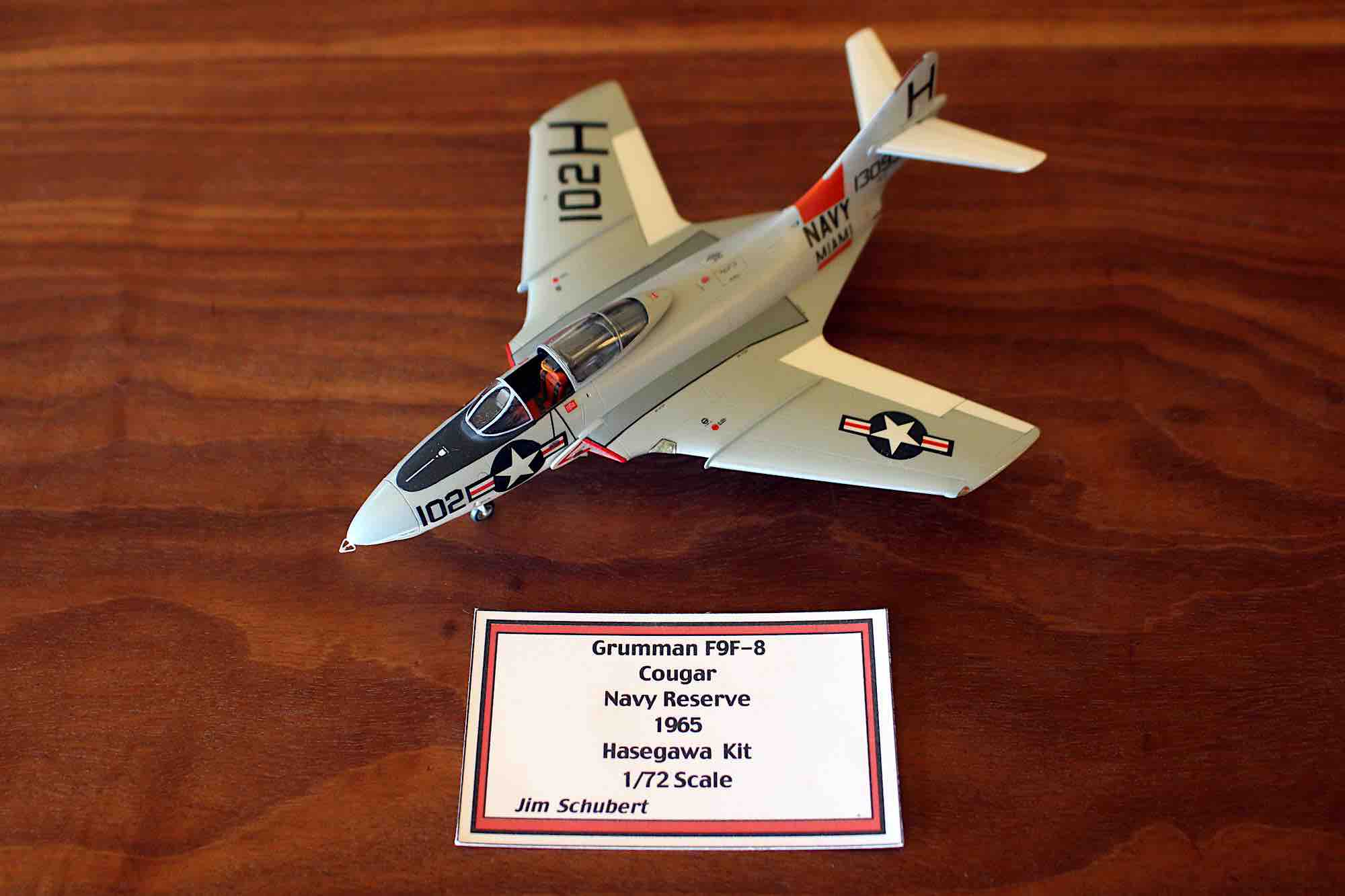
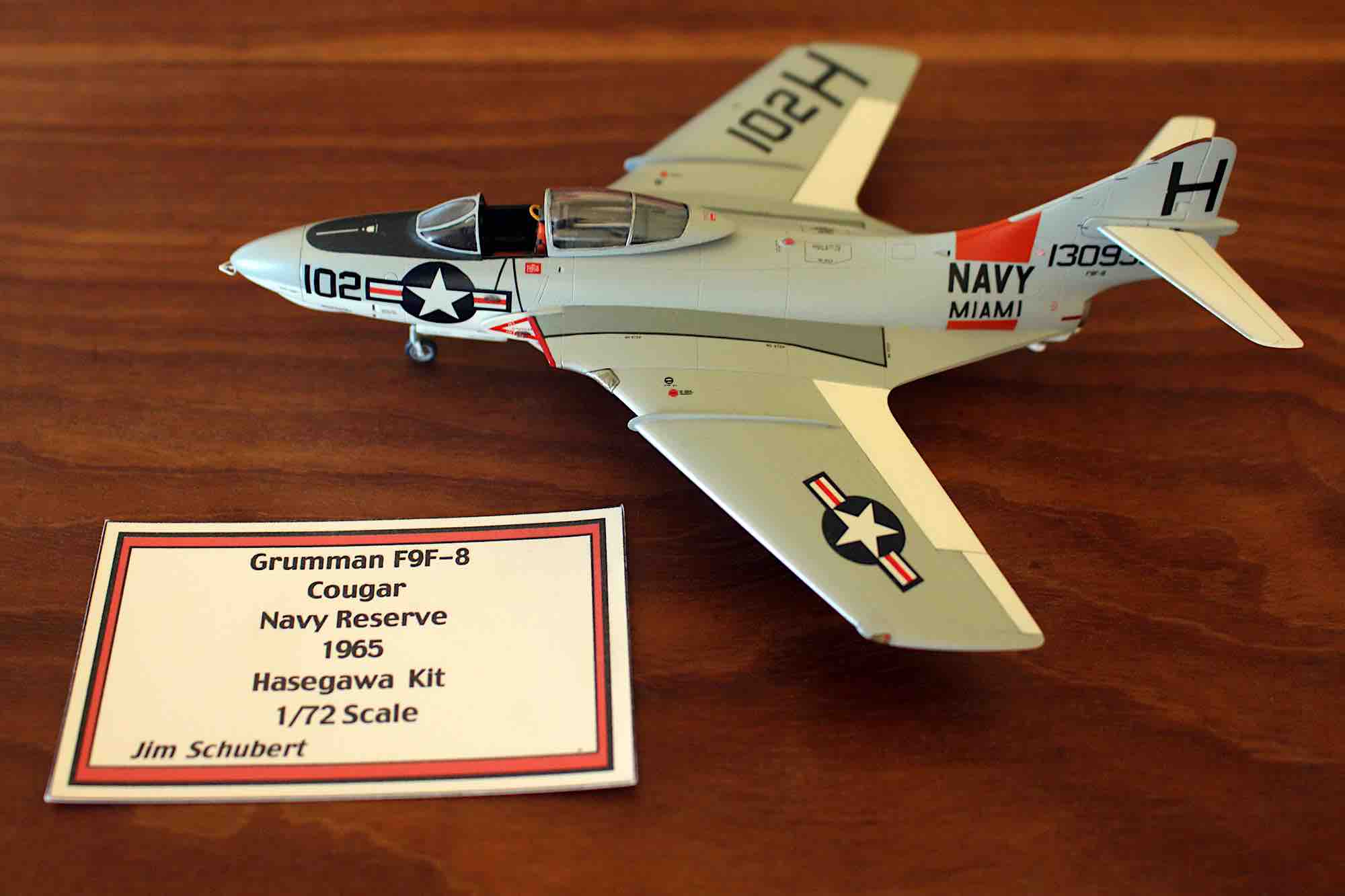
Photograph 24 of 25 · The Grumman F9F-8 Cougar represents the pinnacle and final single-seat variant of Grumman's premier swept-wing naval fighter series.
Photograph 25 of 25 · During the Korean War, the U.S. Navy's straight-winged jets, like the Grumman F9F Panther, found themselves outclassed in speed and agility by the Soviet swept-wing MiG-15. Rather than developing a completely new design from scratch, Grumman engineers pragmatically replaced the Panther’s straight wings and tail surfaces with a modern 35-degree swept-wing configuration. This allowed the Navy to rapidly introduce a high-performance swept-wing fighter to carrier decks. While the first Cougars rolled out in late 1951, the jet arrived too late to see active combat in the Korean War.