Member collection

Jim Schubert Collection

Twenty galleries from Jim Schubert’s model collection and individual projects.

Browse the archive

Choose a collection

Selected collection

Collection 01

25 photographs in this collection. Every slide has a permanent address that can be copied and shared.

Photograph descriptions were drafted with assistance from Google Gemini and may contain errors. IPMS Seattle has reviewed and corrected them where practical. If you can improve an identification, please contact the web coordinator.
Curtiss P-40B Warhawk with U.S. Army Air Corps markings.
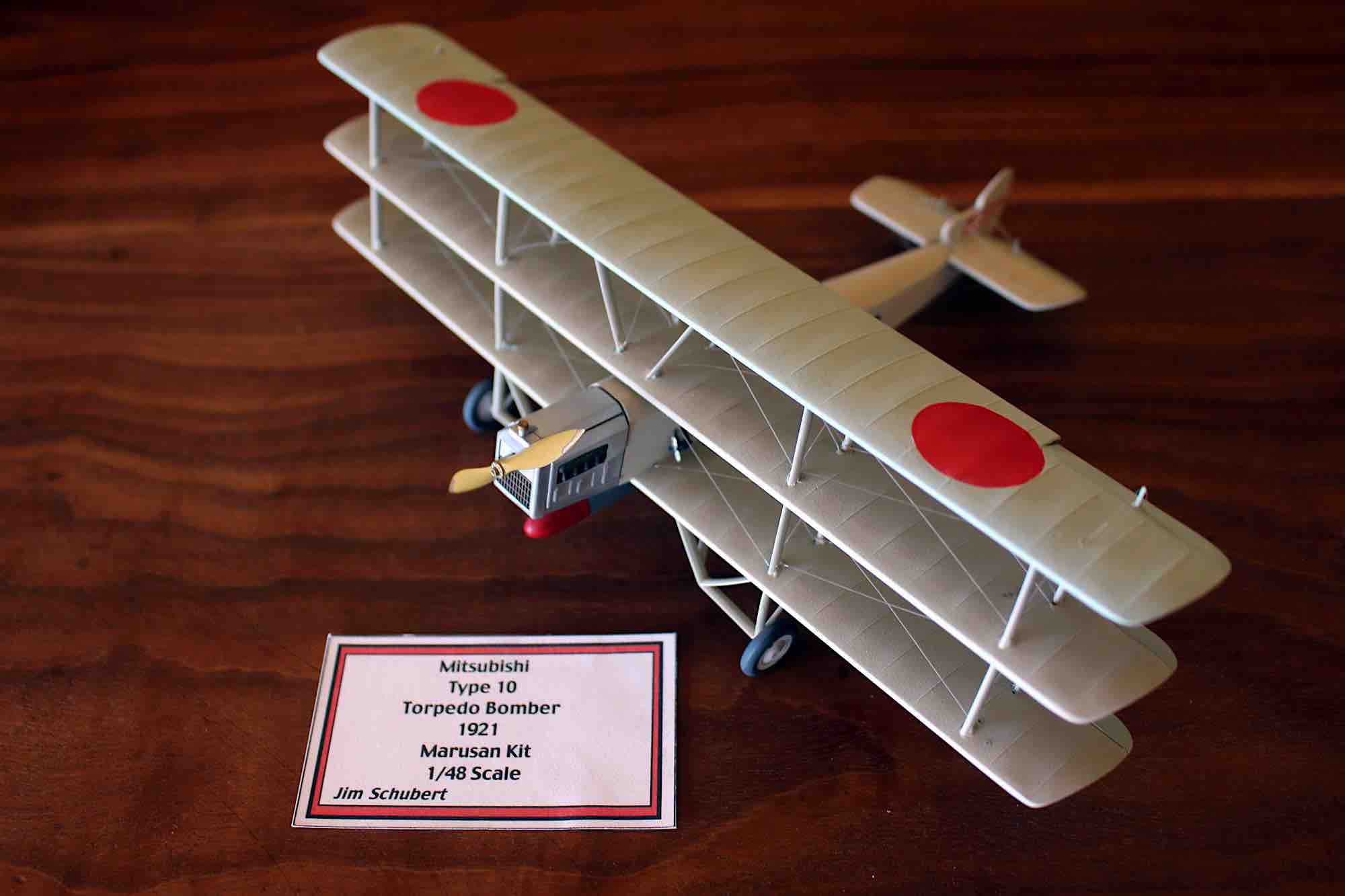
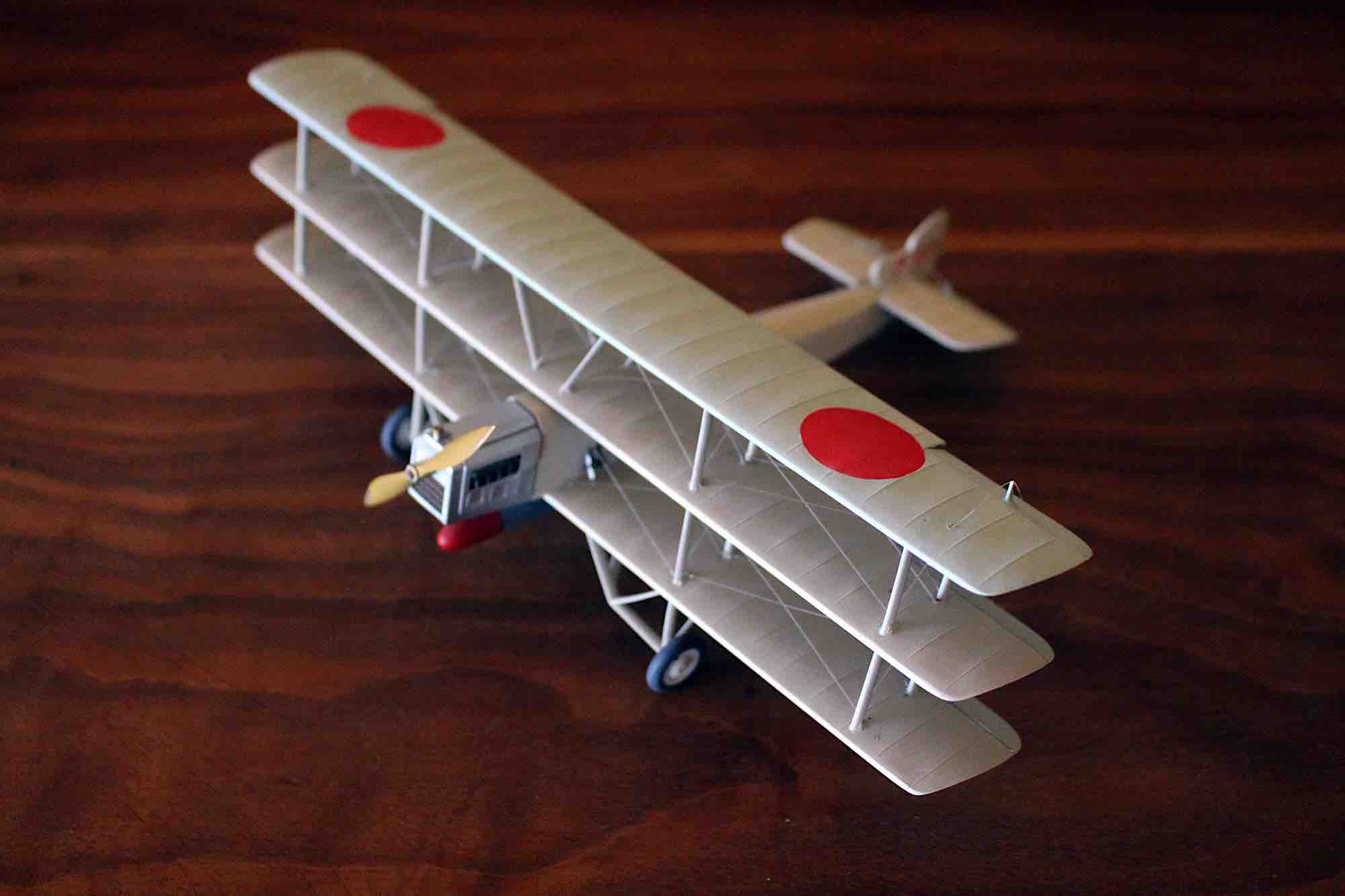
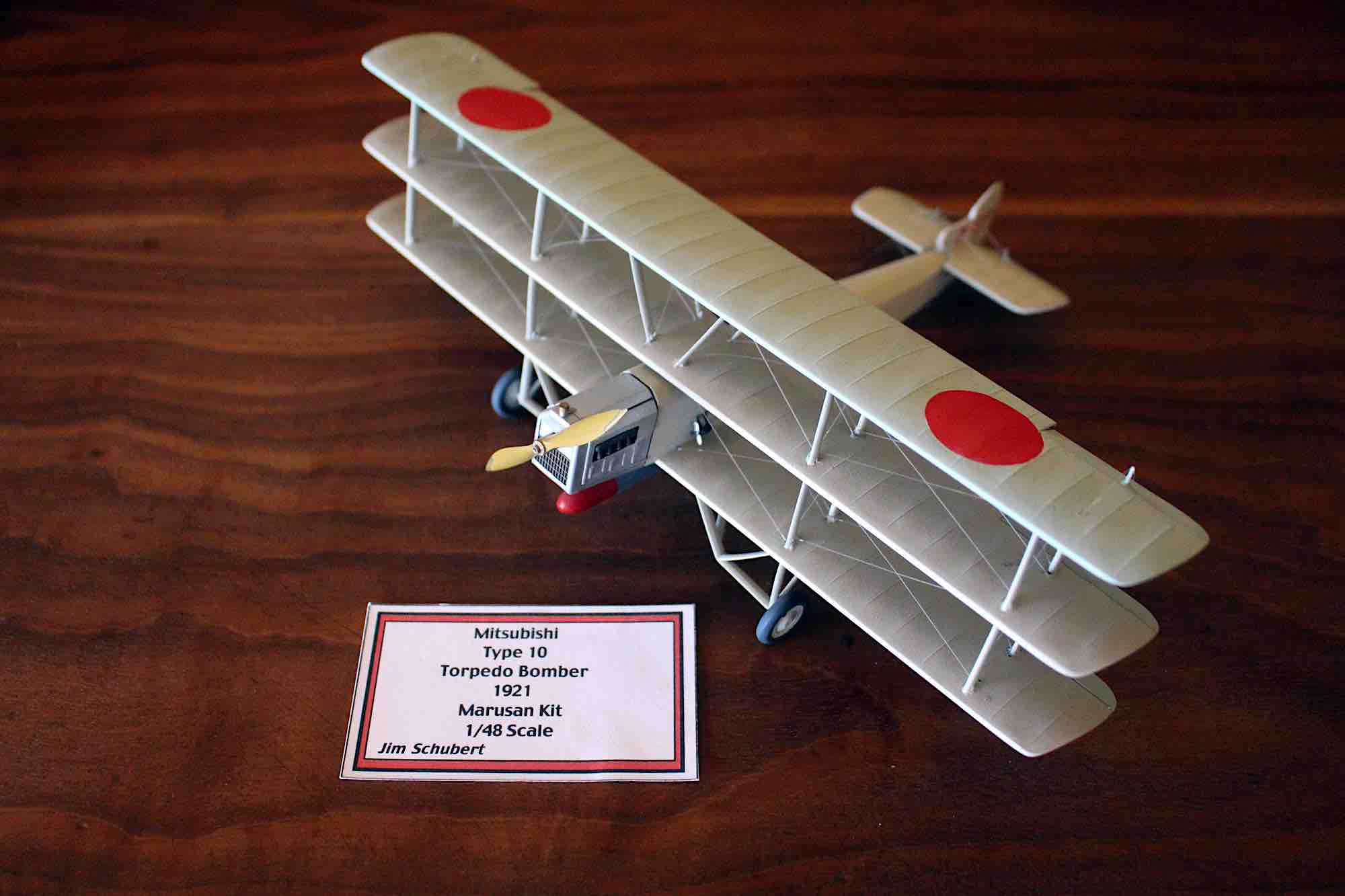
Photograph 1 of 25 · Mitsubishi 1MT1N Type 10, also known as the Navy Type 10 Carrier Torpedo Aircraft, a rare Japanese Imperial Navy triplane torpedo bomber from 1922.
Curtiss P-40B Warhawk with U.S. Army Air Corps markings.
Photograph 2 of 25 · The Mitsubishi 1MT1N Type 10 was a Navy carrier-based triplane torpedo bomber designed by Herbert Smith (former Sopwith designer hired by Mitsubishi.)
Curtiss P-40B Warhawk with U.S. Army Air Corps markings.
Photograph 3 of 25 · The Mitsubishi 1MT1N Type 10 was propelled by a 450 hp Napier Lion W12 liquid-cooled engine, and carried one 18-inch (45 cm) Type 44 torpedo.
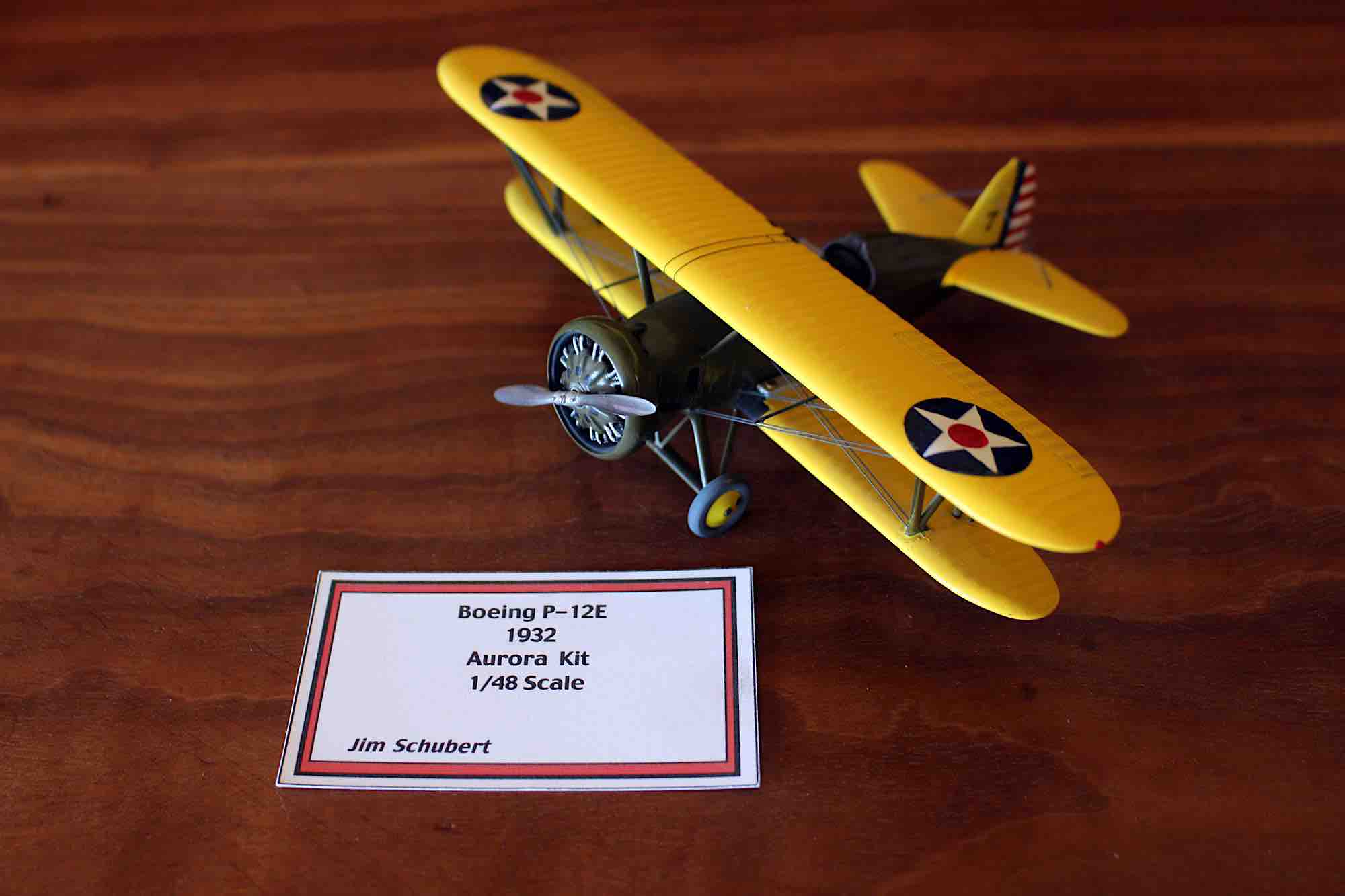
Boeing P-12E biplane fighter.
Photograph 4 of 25 · U.S. Army Air Corps Boeing P-12E biplane fighter. The Boeing P-12 (along with its U.S. Navy twin, the F4B) was one of the most prominent American pursuit fighters of the interwar "Golden Age of Aviation". First flown in 1928, it was developed by Boeing as a private venture before being widely adopted by both the U.S. Army Air Corps (USAAC) and the Navy. It became a critical bridge in military design, representing the peak development of the traditional biplane right before high-performance monoplanes permanently replaced them.
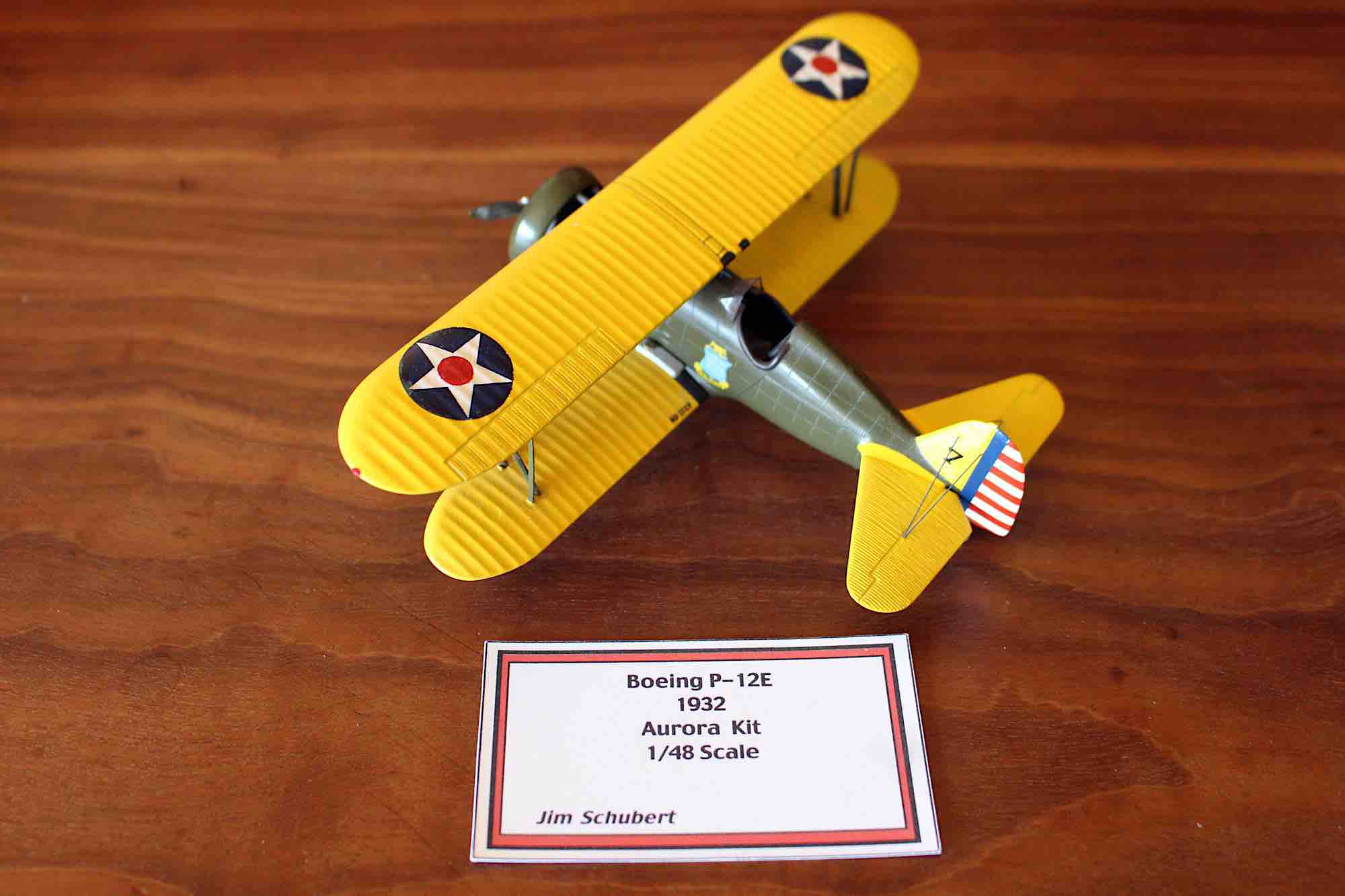
Boeing P-12E biplane fighter.
Photograph 5 of 25 · U.S. Army Air Corps Boeing P-12E biplane fighter. The P-12E variant (introduced in 1931) was a major evolution in the series. While earlier models used bolted alloy-tube structures, the "E" model introduced a modernized all-metal semi-monocoque fuselage.
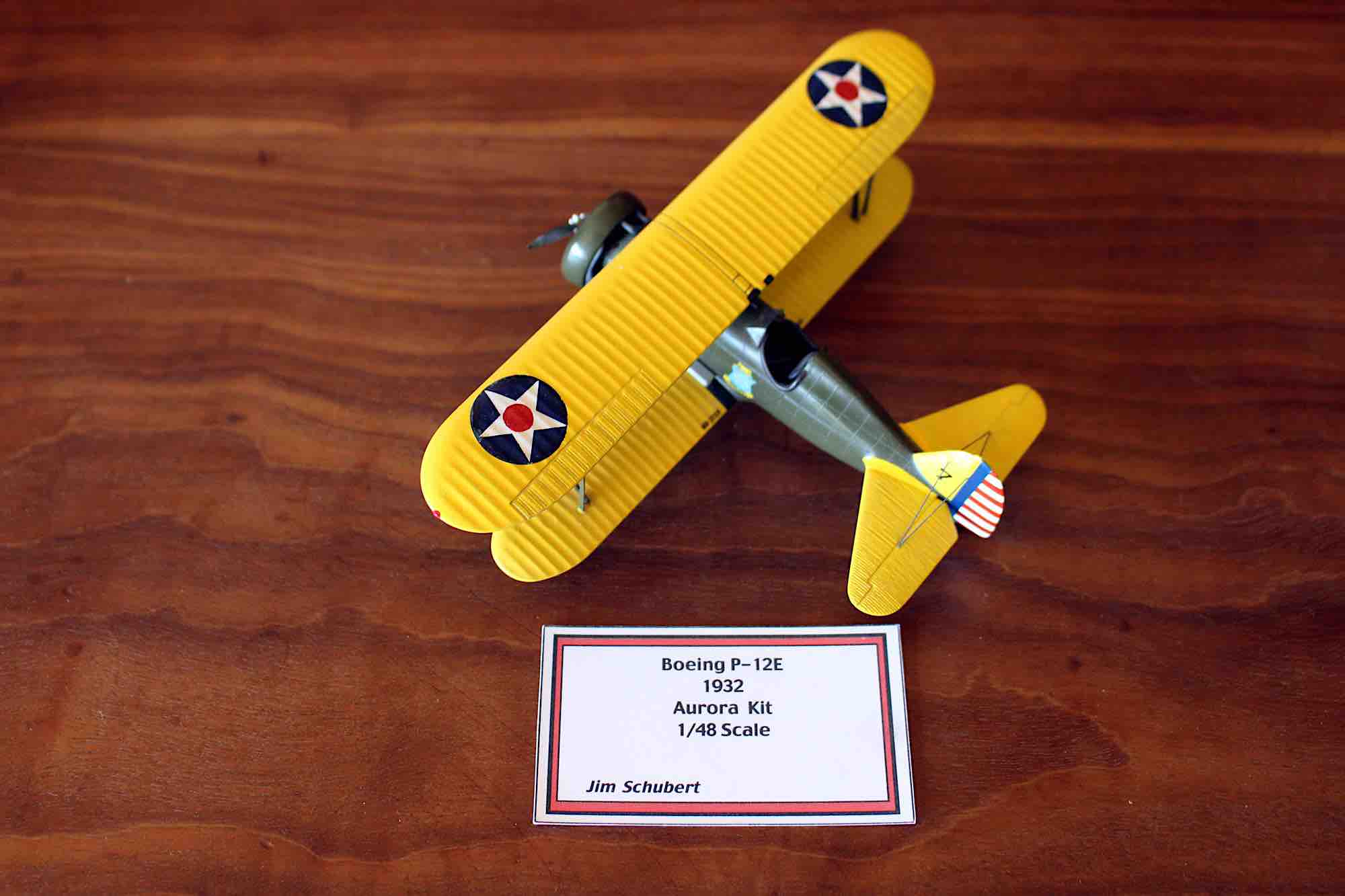
Boeing P-12E biplane fighter.
Photograph 6 of 25 · U.S. Army Air Corps Boeing P-12E biplane fighter. Throughout the early 1930s, the P-12 served as the backbone of the USAAC's primary fighter groups. It was deployed with first-line units across the United States, as well as overseas outposts in Hawaii (such as the 6th Pursuit Squadron at Wheeler Field), Panama, and the Philippines.
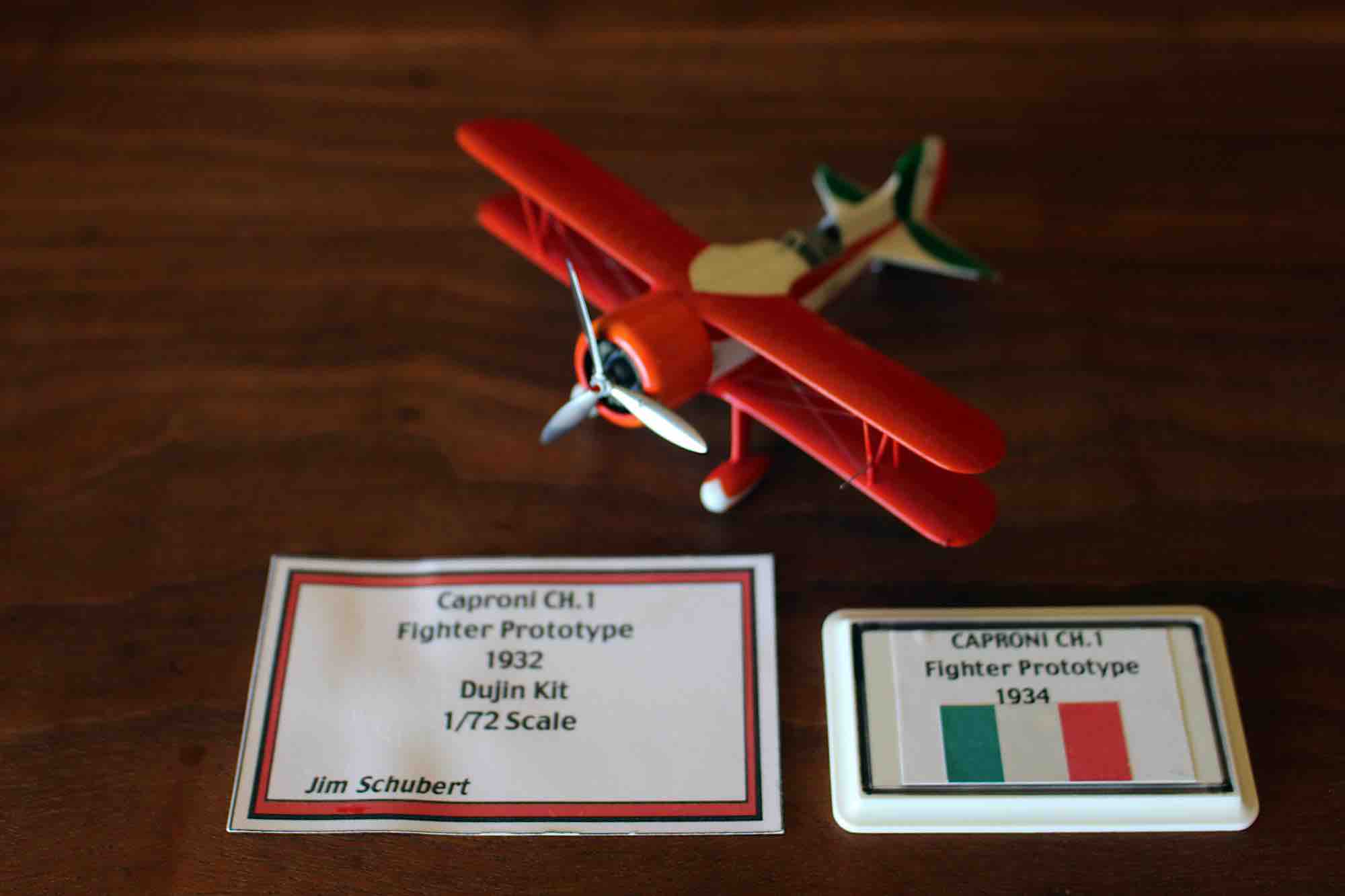
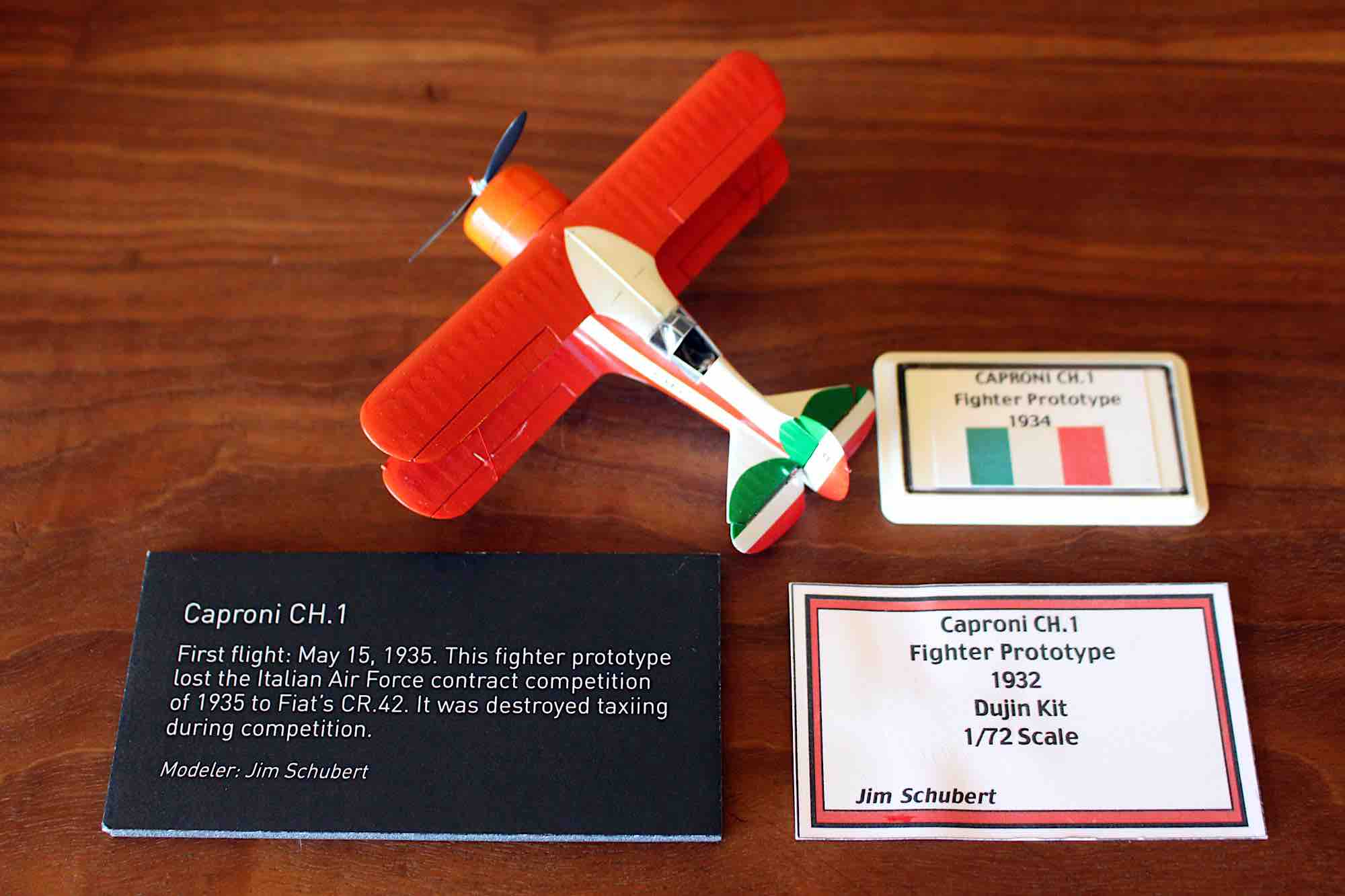
Caproni CH.1
Photograph 7 of 25 · The Caproni CH.1 was a single-seat biplane fighter built to compete with the Fiat CR.32. There was only one built - in August 1935, during evaluated military trials at the Guidonia test field, the prototype suffered a serious landing accident - it flipped over onto its back, causing severe damage, and was not rebuilt by Caproni.
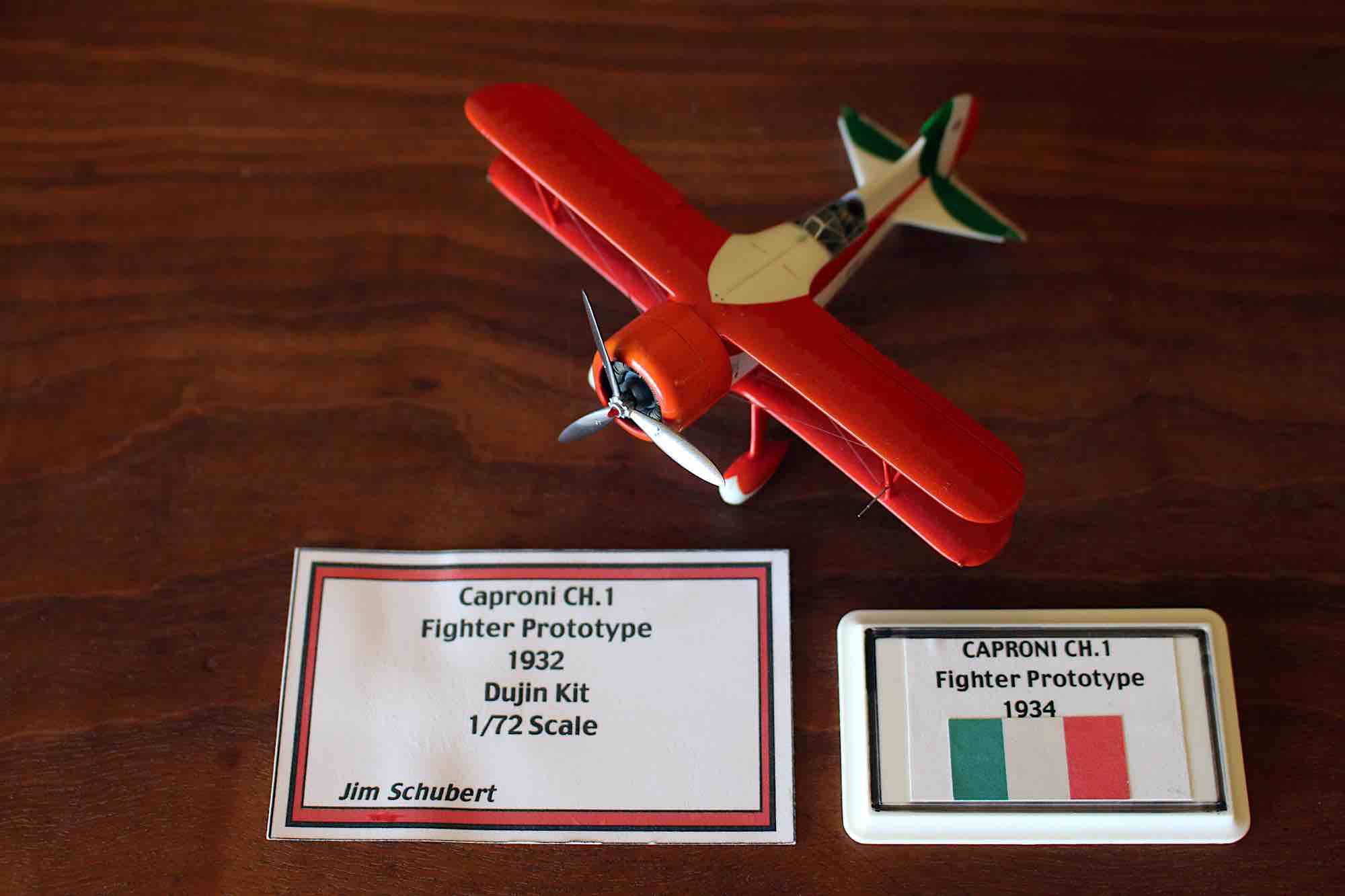
Caproni CH.1
Photograph 8 of 25 · The Caproni CH.1 was powered by the 520 hp Piaggio P.IX radial engine (though originally planned for a higher-power Gnome-Rhône 14K Mistral Major).
Caproni CH.1
Photograph 9 of 25 · The Caproni's first flight was CH.1 February 5, 1935, and testing continued until its fateful crash in August of that year. It demonstrated an exceptional rate of climb, reaching 4,000 meters in about 7.16 minutes, and reached a top speed of approximately 377 km/h (234 mph.)
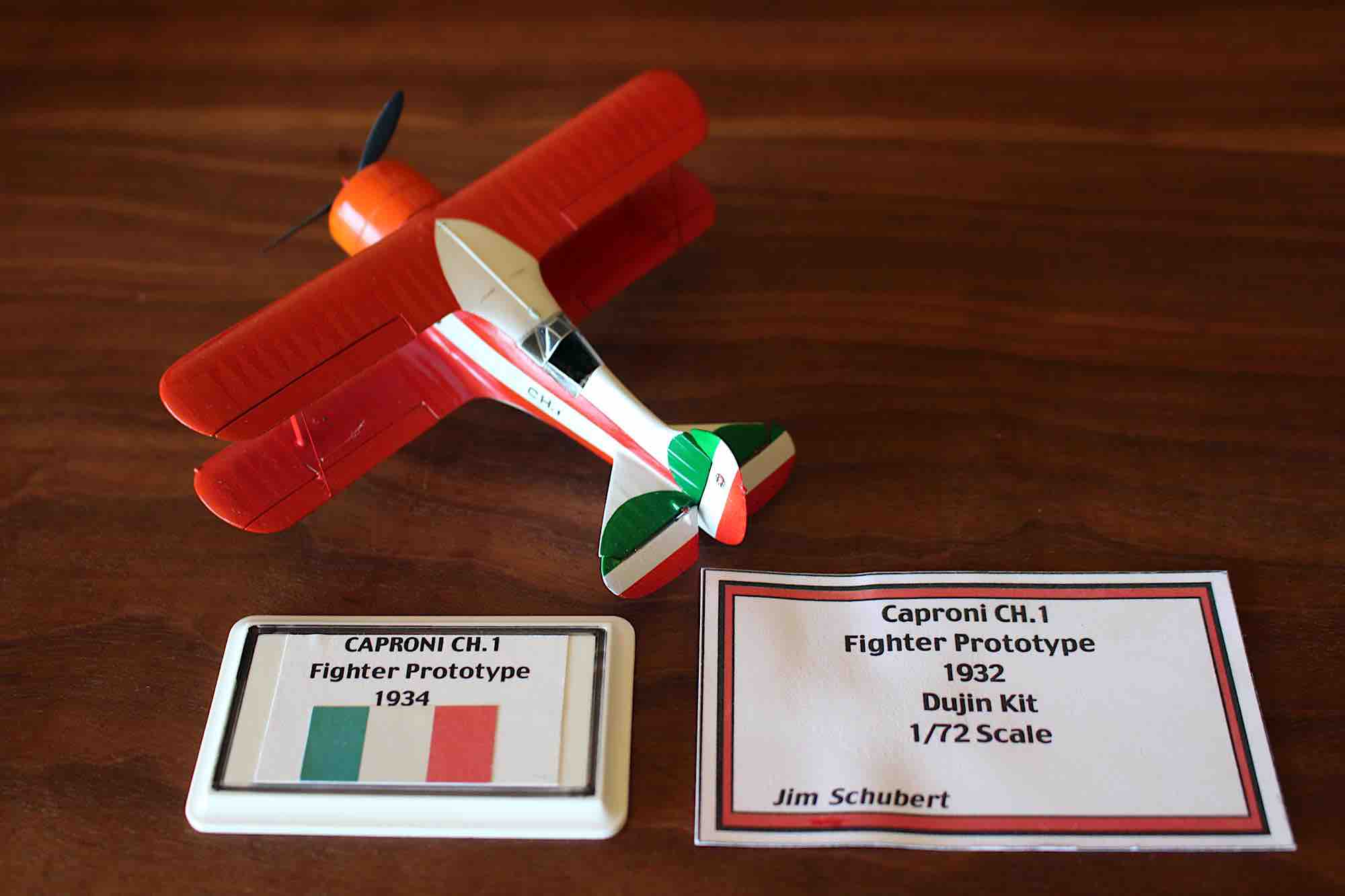
Caproni CH.1
Photograph 10 of 25 · The designer of the Caproni CH.1 was Antonio Chiodi (the "CH" in the designation.) Chiodi himself piloted the CH.1 on its first flight. The aircraft had spatted landing gear, and the enclosed cockpit opened by sliding to the rear.
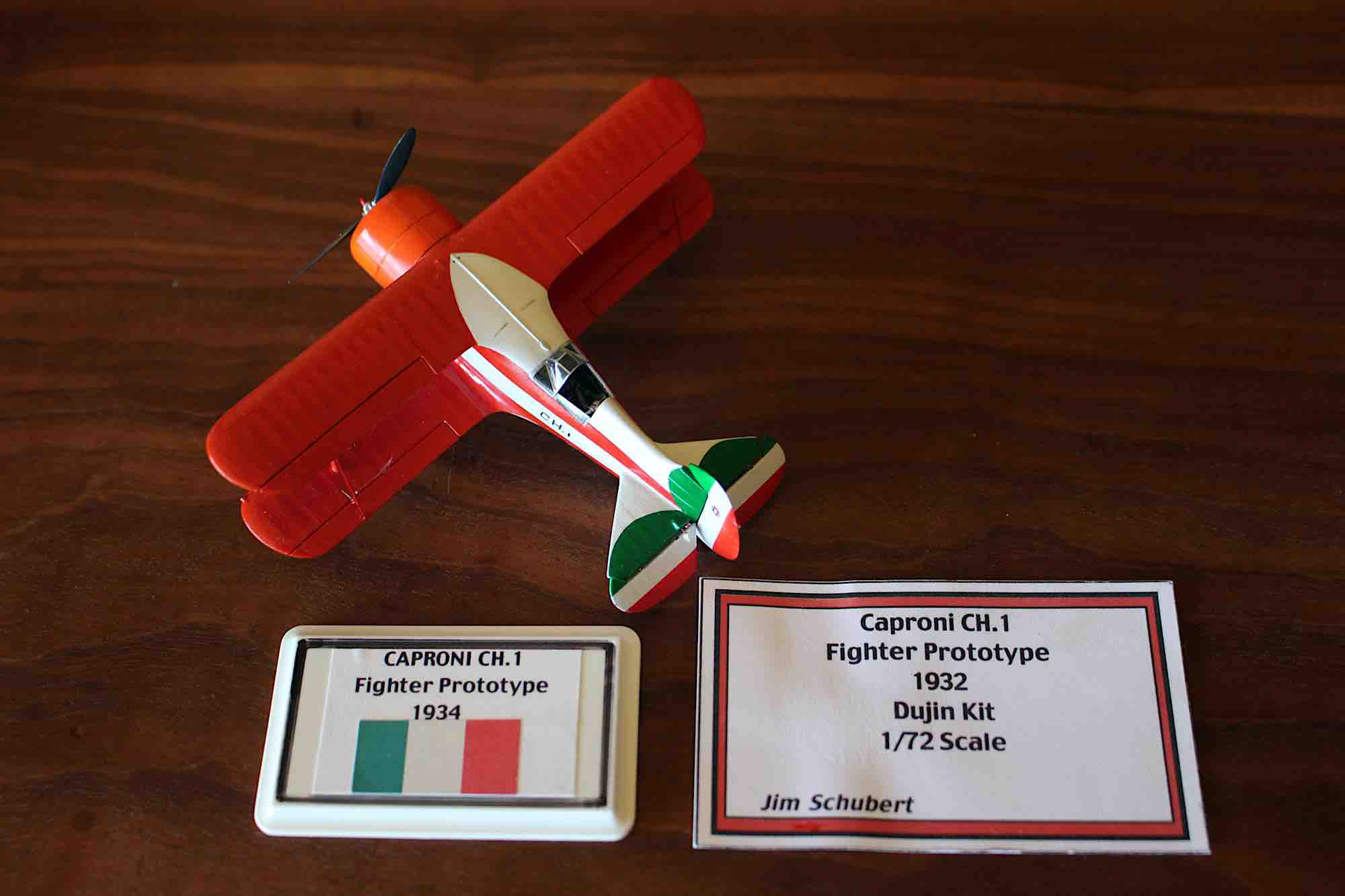
Caproni CH.1
Photograph 11 of 25 · The Caproni CH.1's proposed armament was two fixed forward-firing 7.7-millimeter (0.303-inch) Breda-SAFAT machine guns synchronized to fire through the propeller.
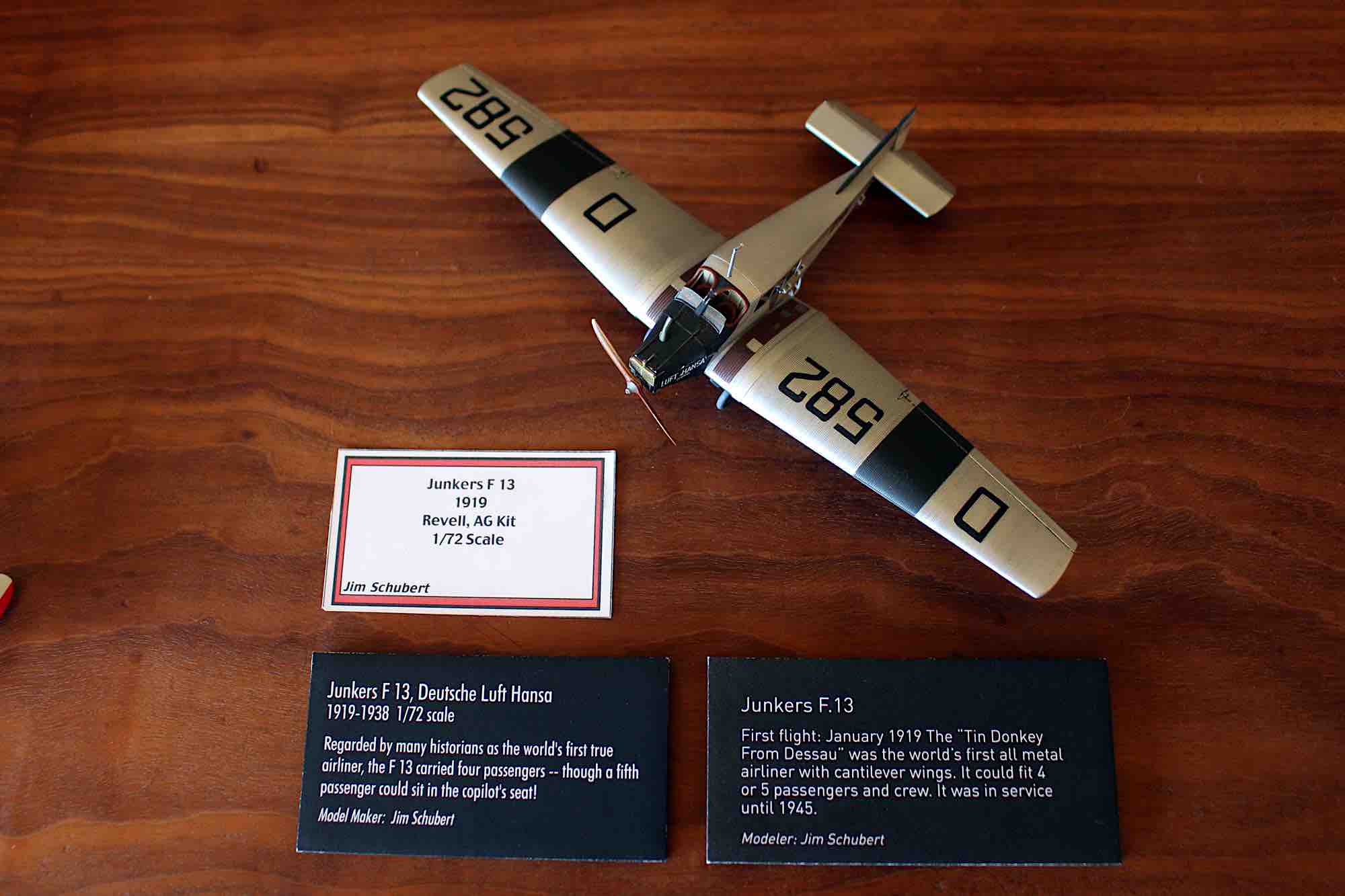
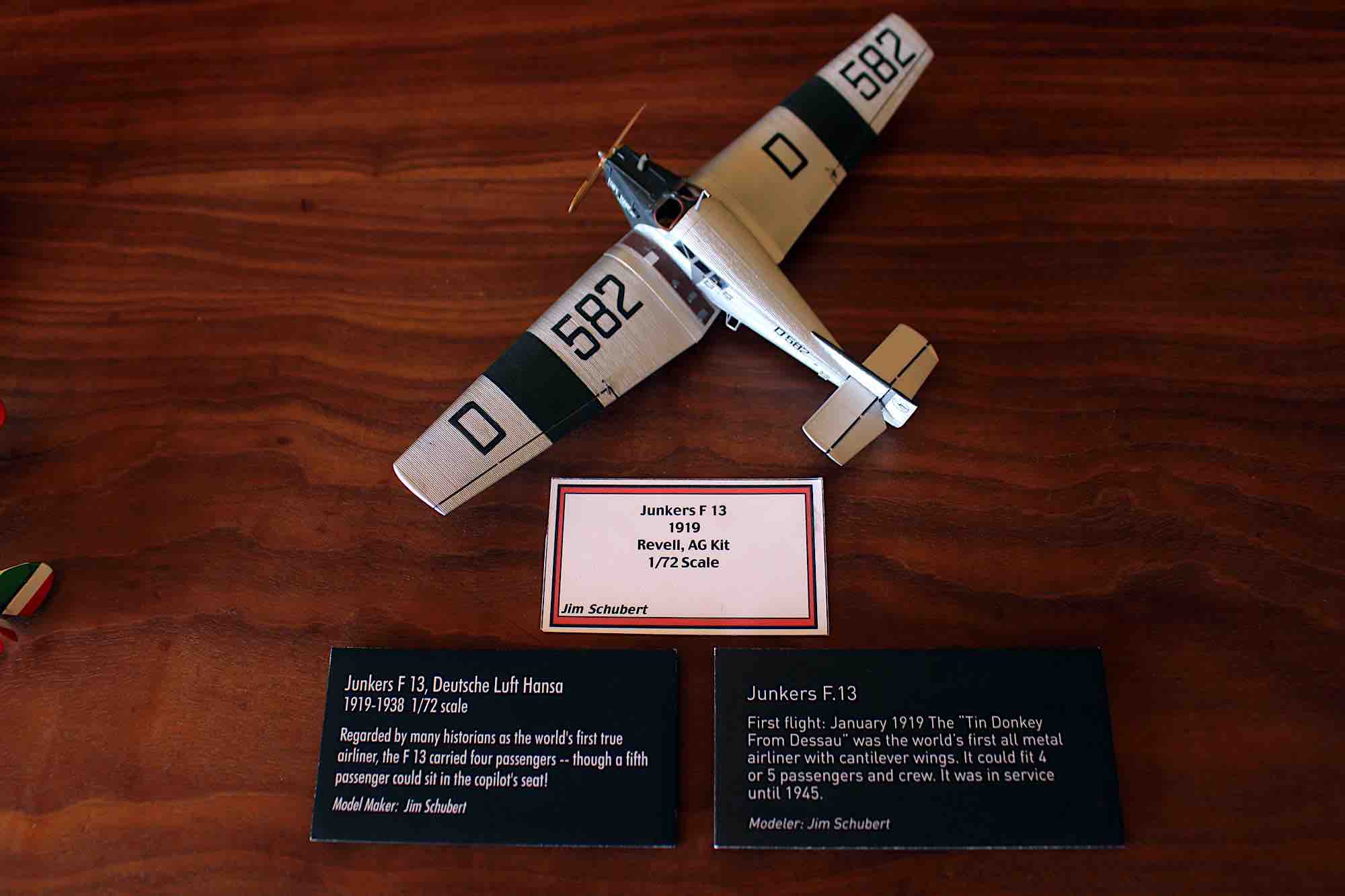
Junkers F 13
Photograph 12 of 25 · Junkers F 13 was the first all-metal transport aircraft designed strictly for commercial use. To compensate for the thinness of the metal sheets, the exterior skin was corrugated (ribbed), a signature Junkers design choice that gave the aircraft immense structural strength without adding dead weight.
Photograph 13 of 25 · The Junkers F 13 featured an open cockpit for two pilots and an enclosed, heated cabin for four passengers. A total of 322 aircraft were manufactured over a 13-year period, dominating early commercial air traffic in the 1920s. Operators flew the versatile type across five continents, adapting versions with floats for water or skis for snow.
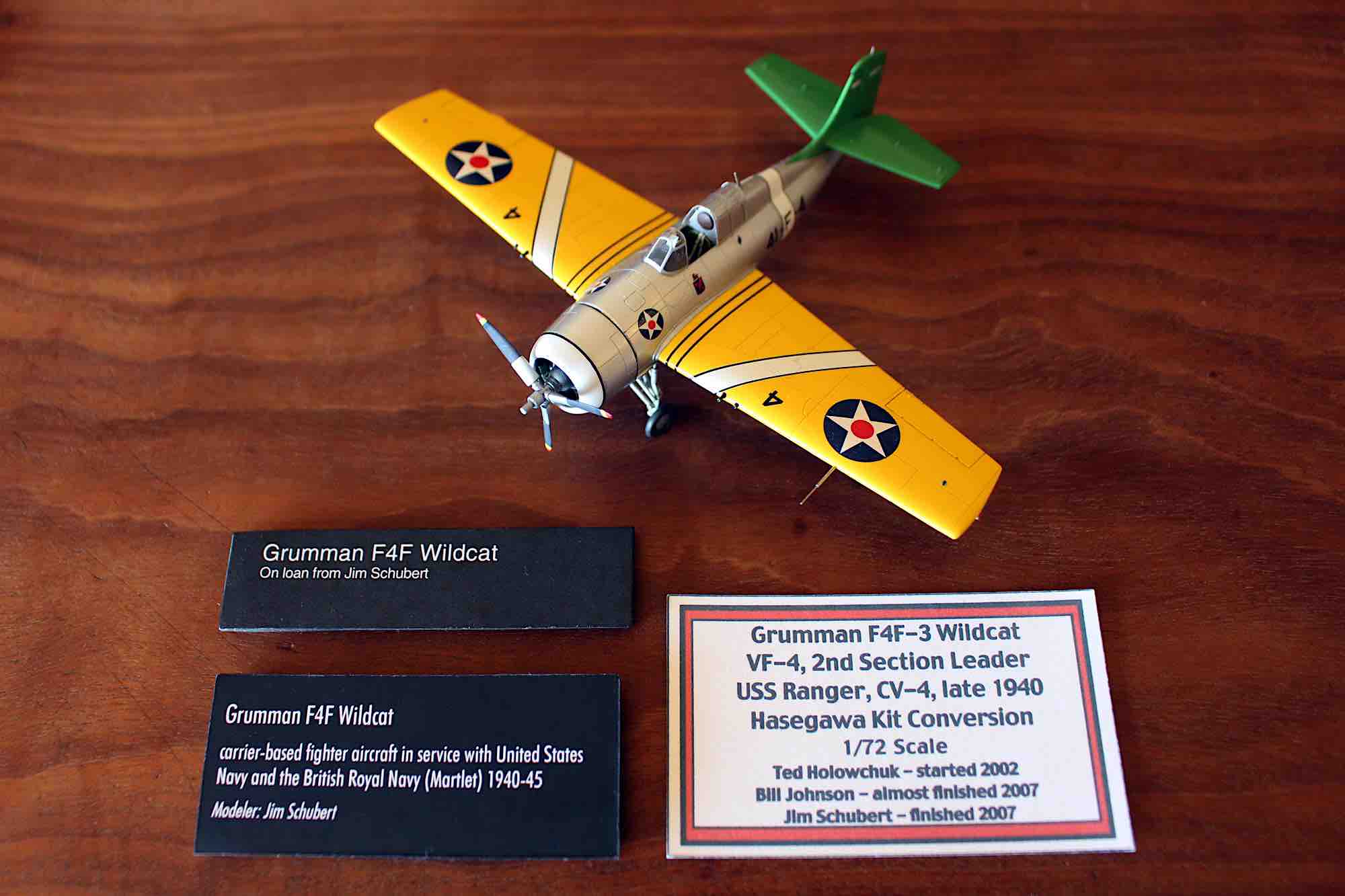
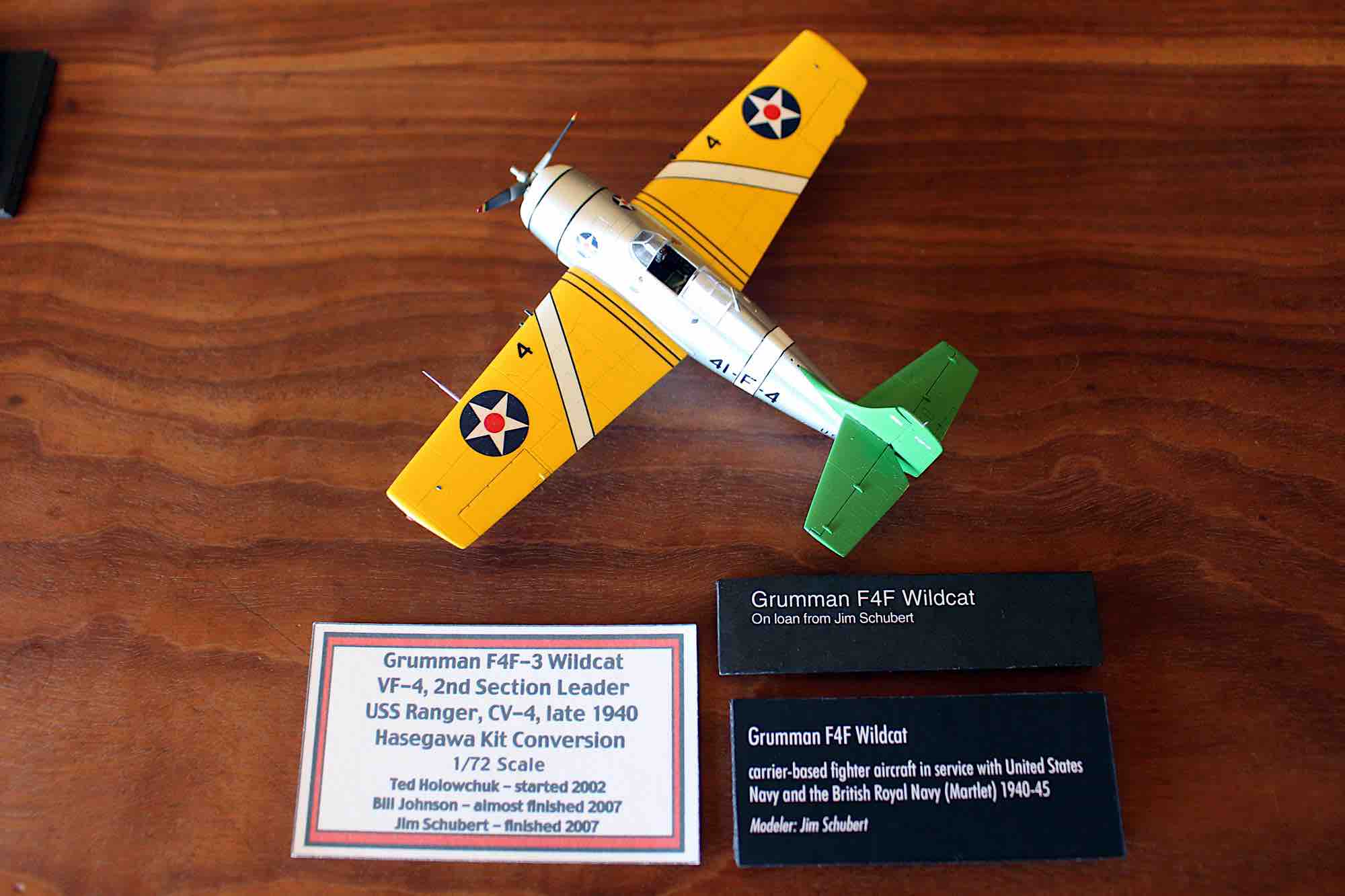
Grumman F4F-3 Wildcat with Fighting Squadron Four (VF-4)
Photograph 14 of 25 · On November 26, 1940, VF-4 (known as the "Red Rippers") became the very first carrier squadron to officially adopt the new F4F-3 Wildcat while based aboard the USS Ranger (CV-4). Prior to this, the Navy had heavily relied on the Brewster F2A Buffalo, but production delays and manufacturing failures from Brewster forced the Navy to lean on Grumman's superior engineering.
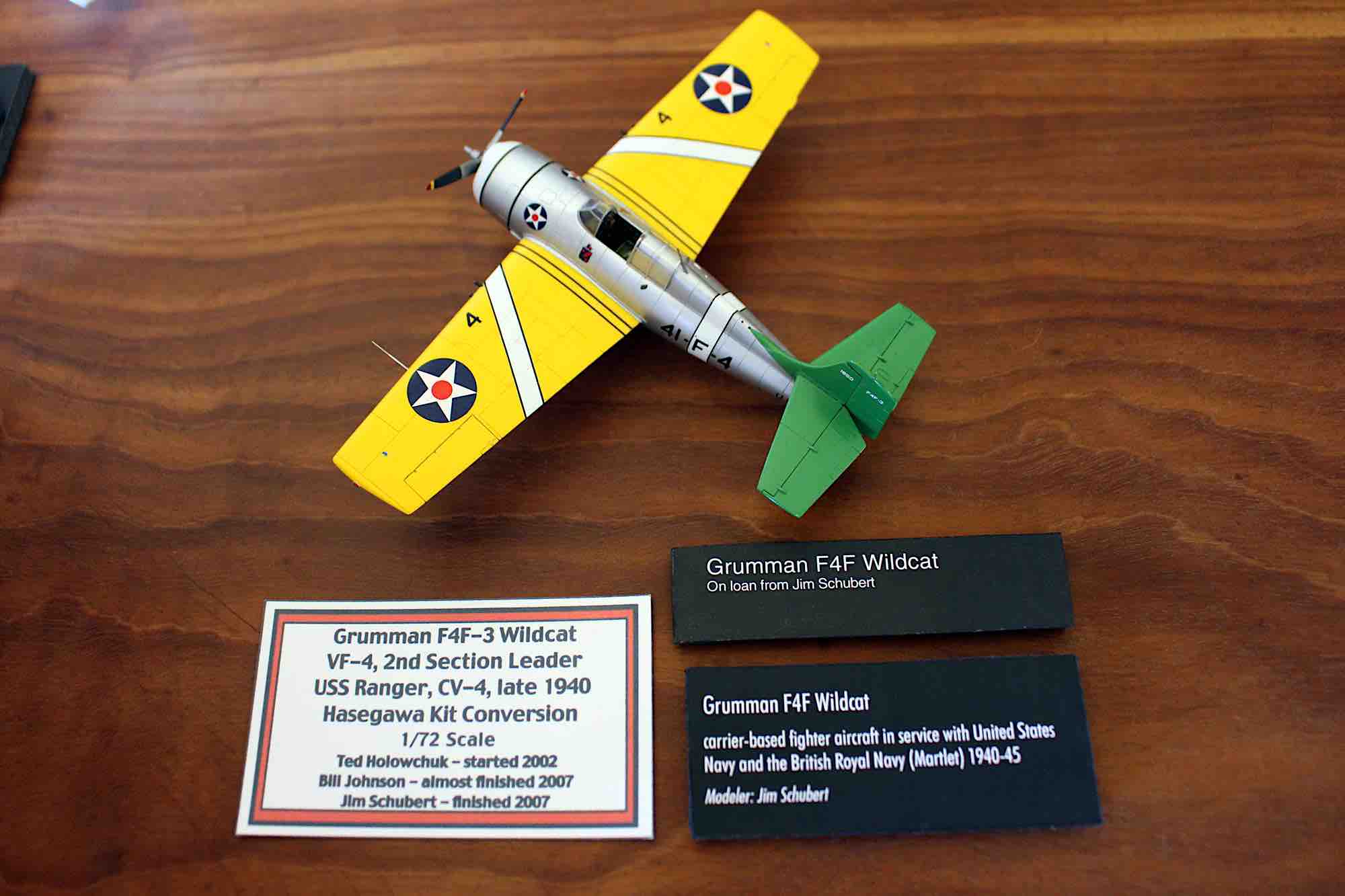
Grumman F4F-3
Photograph 15 of 25 · Because the United States was still officially at peace during the winter of 1940–1941, VF-4's Wildcats wore the highly complex and colorful "Yellow Wings" livery designed for high visibility
Grumman F4F-3
Photograph 16 of 25 · Tail surfaces were color-coded to identify the aircraft carrier. As an Atlantic Fleet asset aboard the USS Ranger, VF-4's Wildcats featured Willow Green tails and full-length vertical tail stripes
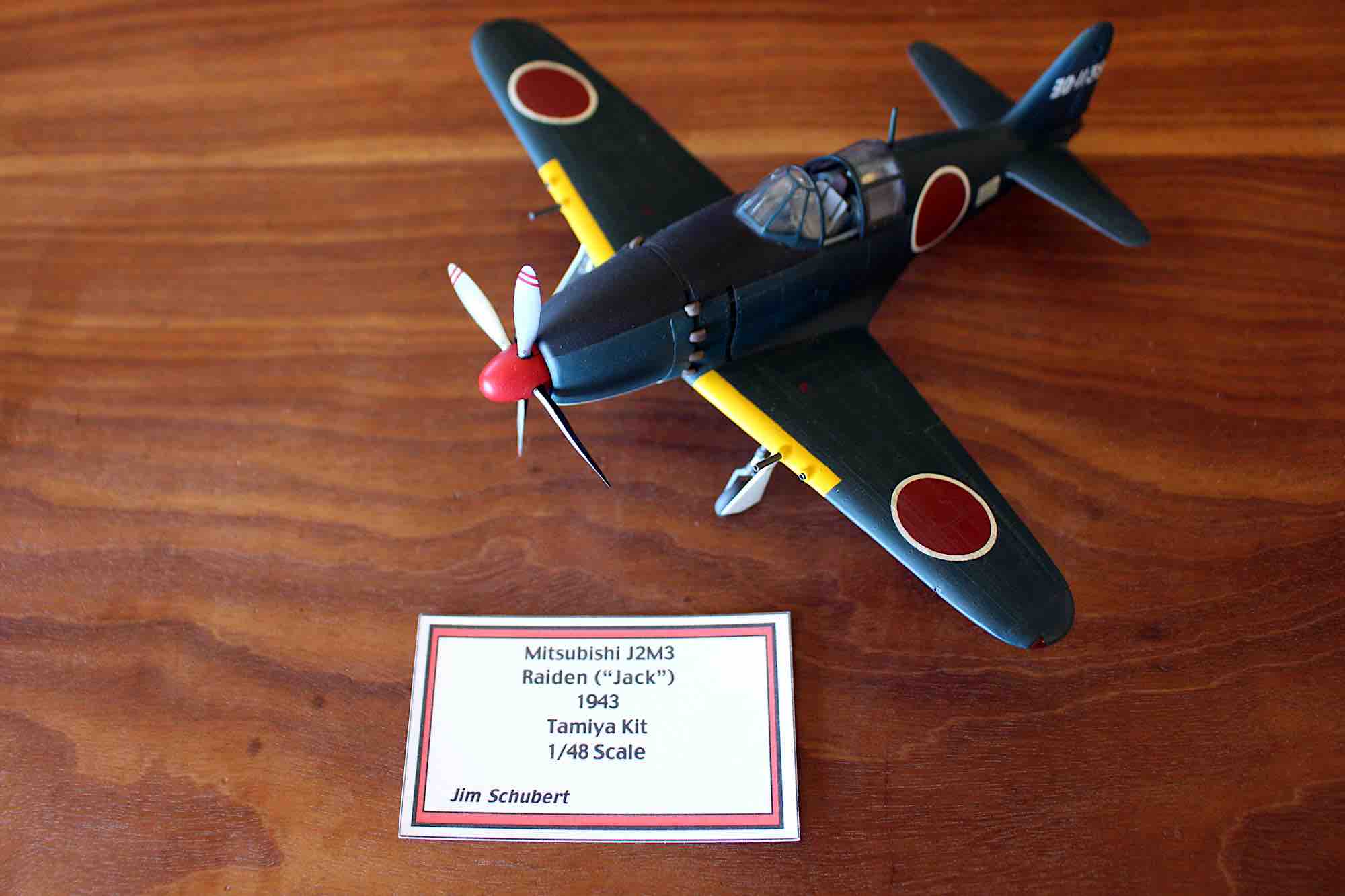
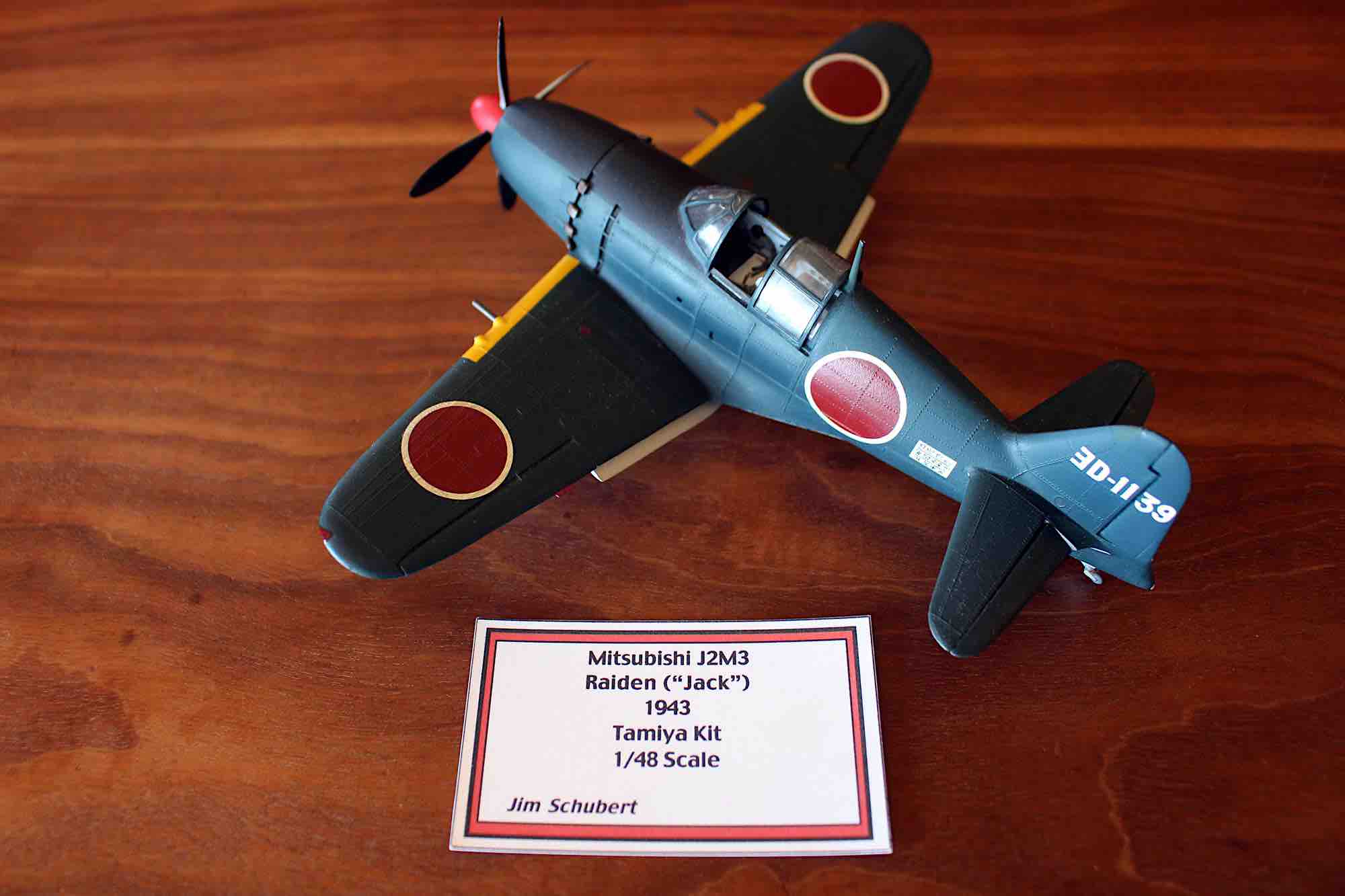
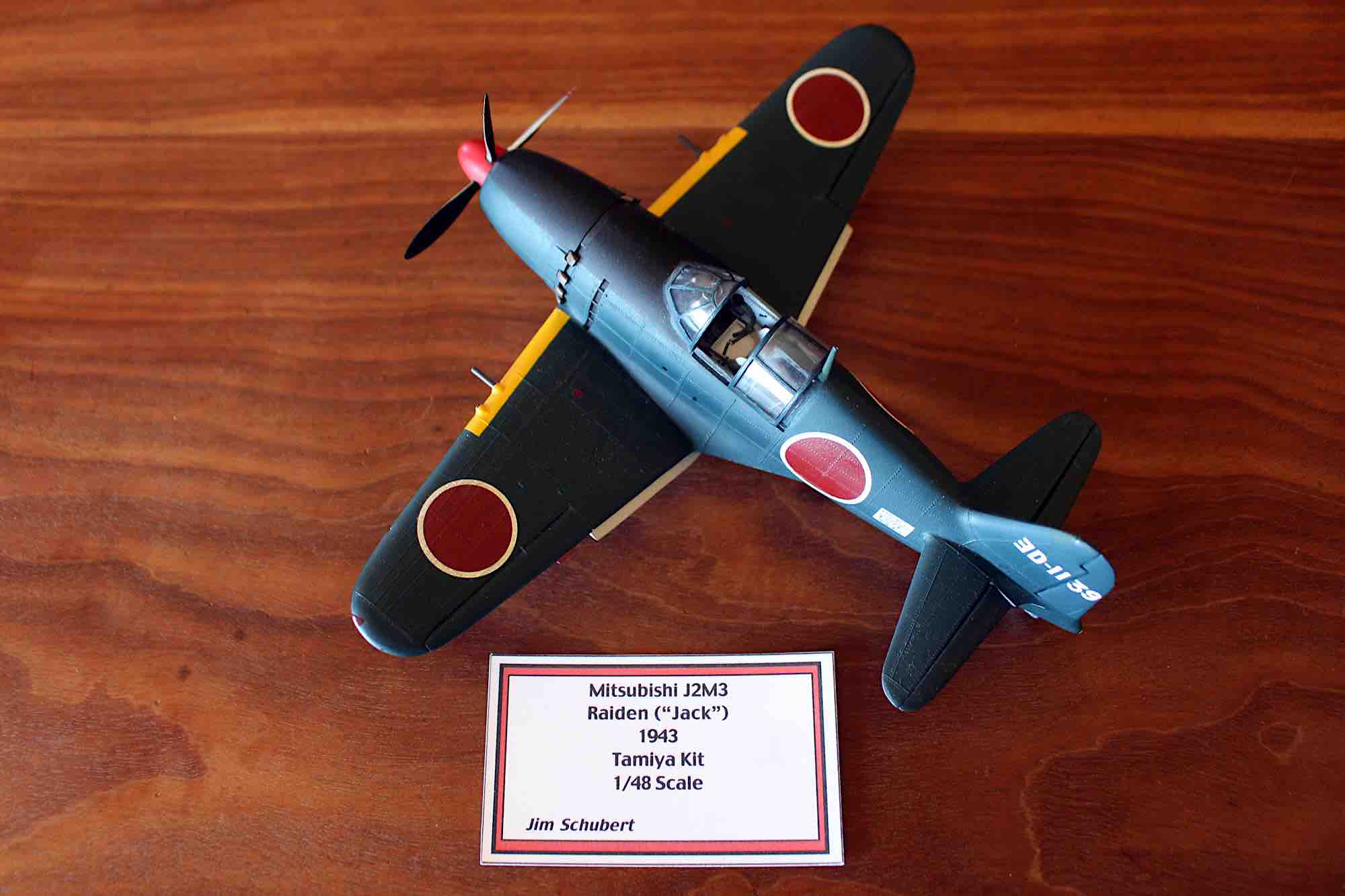
Mitsubishi J2M3 Raiden (Type 21)
Photograph 17 of 25 · The Mitsubishi J2M Raiden (雷電, "Lightning Bolt"), codenamed "Jack" by the Allies, was a unique point-defense interceptor operated by the Imperial Japanese Navy Air Service (IJNAS) during World War II. Unlike iconic fighters like the A6M Zero, which prioritized extreme maneuverability and long-range dogfighting, the Raiden was built entirely for speed, high-altitude climb rate, and heavy firepower to destroy incoming enemy bombers.
Mitsubishi J2M3 Raiden (Type 21)
Photograph 18 of 25 · To achieve the necessary speed and climb performance, designers took the massive Mitsubishi Kasei radial engine—typically used for larger bombers—and crammed it into a single-seat fighter frame
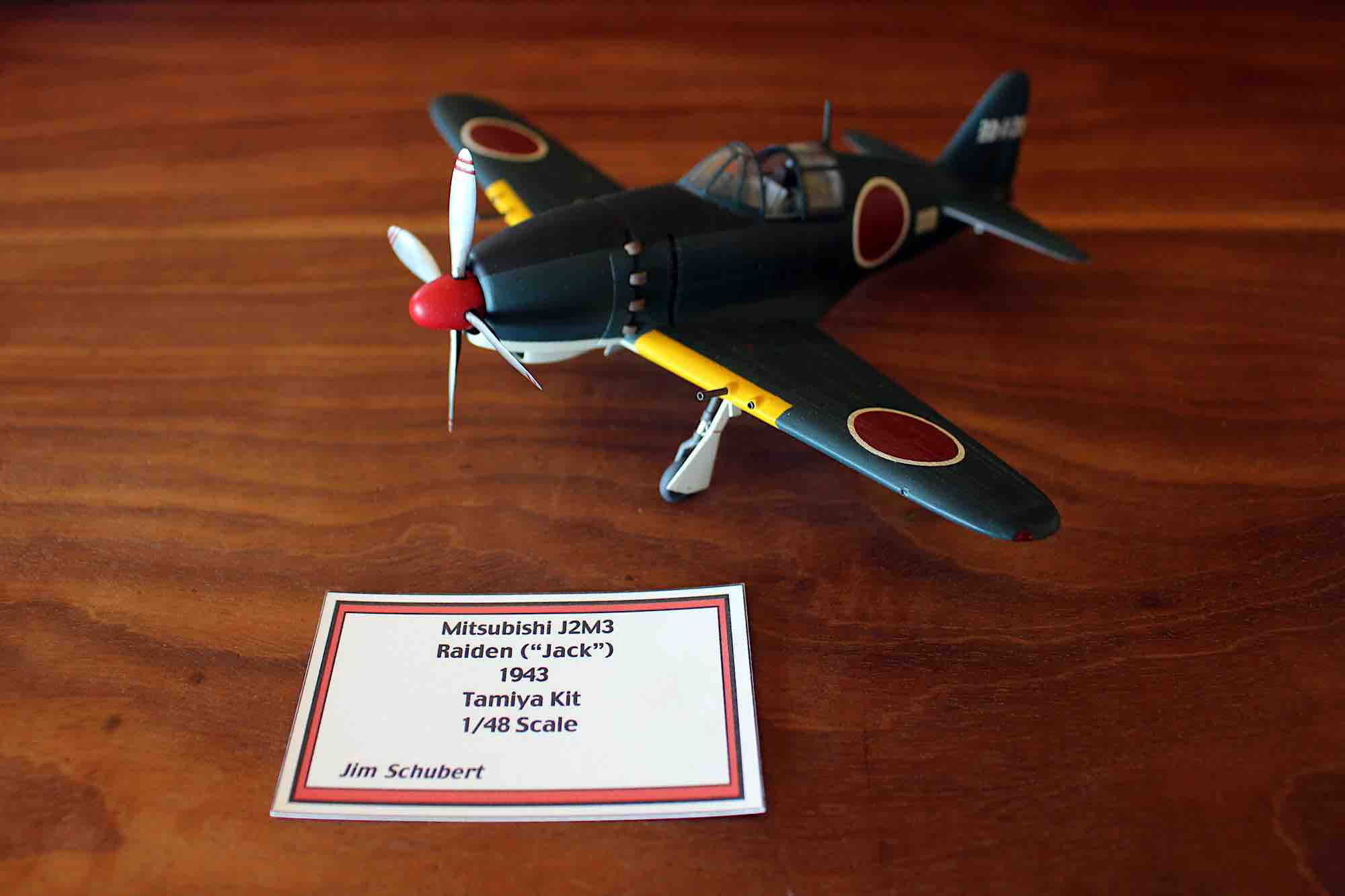
Mitsubishi J2M3 Raiden (Type 21)
Photograph 19 of 25 · It featured advanced, low-aspect-ratio laminar flow wings and specialized Fowler flaps to optimize speed while keeping landing speeds manageable.
Mitsubishi J2M3 Raiden (Type 21)
Photograph 20 of 25 · The Definitive Variant: J2M3 (Model 21), the Model 21 was upgraded to an 1,820-horsepower Kasei 23a engine featuring a water-methanol injection boost system with four 20mm Type 99 cannons mounted in the wings, entirely omitting the small-caliber machine guns of earlier models to deal devastating damage to heavy bombers.
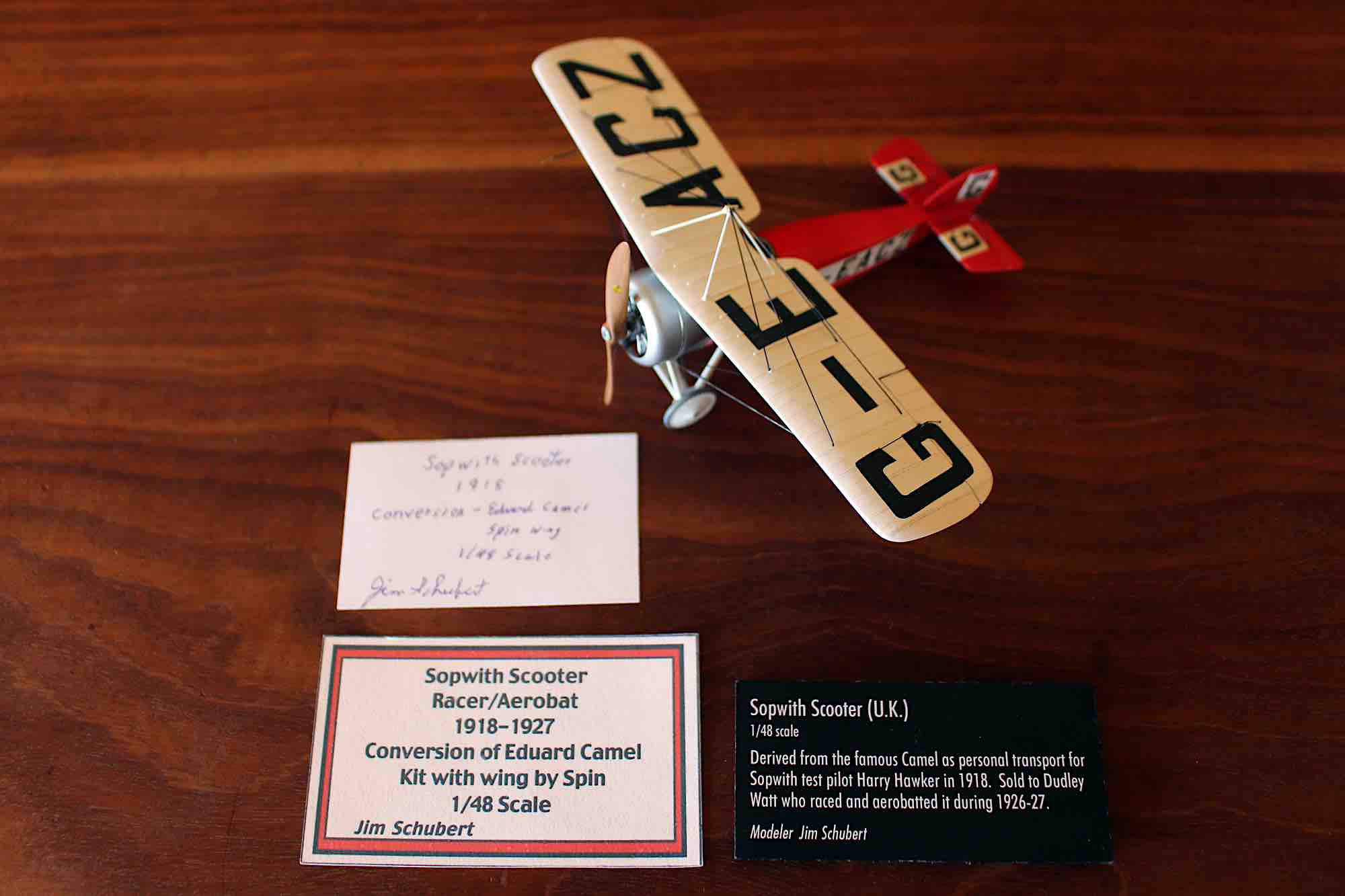
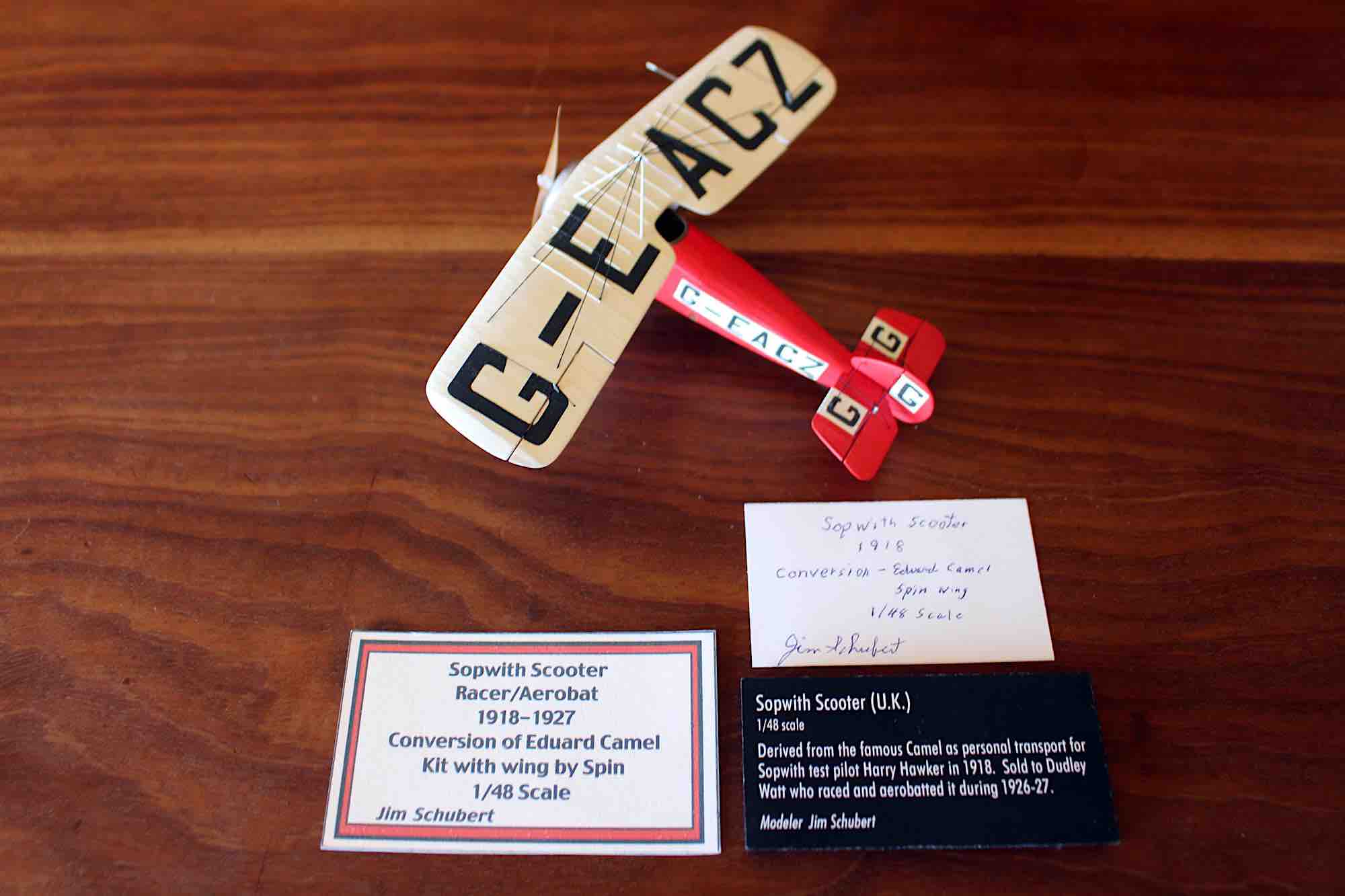
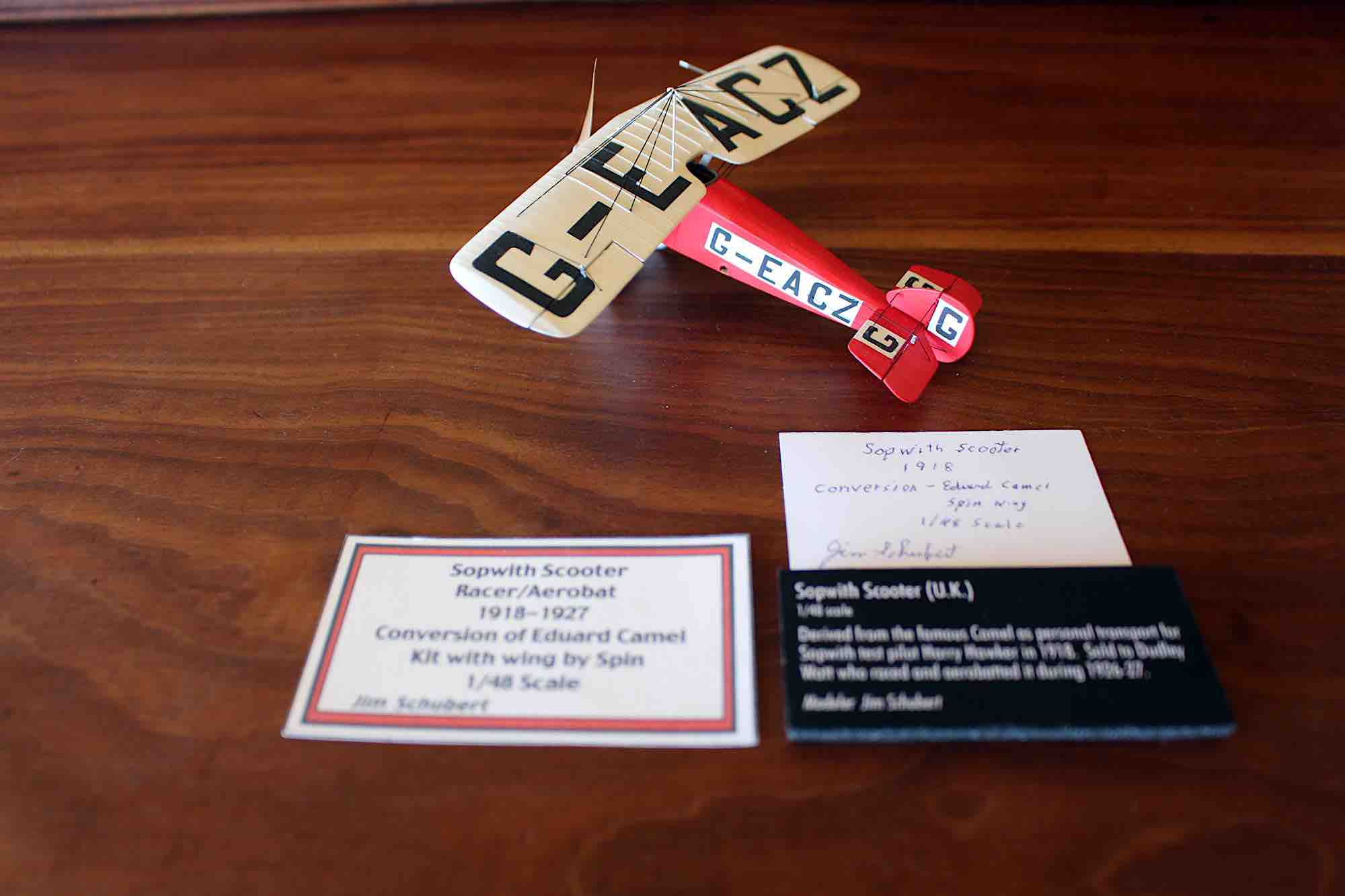
Sopwith Scooter (G-EACZ)
Photograph 21 of 25 · Completed in July 1918, the aircraft was cleverly recycled from the components of a standard, combat-proven Sopwith F.1 Camel. It utilized the Camel’s standard rear fuselage, tail surfaces, and a 130 hp Clerget rotary engine. However, its biplane wings were entirely removed and replaced with a singular, swept-back parasol wing held securely above the cockpit by a distinctive pyramid-shaped cabane strut configuration.
Sopwith Scooter (G-EACZ)
Photograph 22 of 25 · The Scooter was originally constructed as an unarmed, proof-of-concept prototype for a planned parasol military fighter called the Sopwith Swallow. While the armed military variant was eventually trialed by the RAF and dropped after the armistice due to underwhelming high-altitude performance, the original Scooter lived a long, colorful civilian life.
Sopwith Scooter (G-EACZ)
Photograph 23 of 25 · Sopwith's Harry George Hawker (1889–1921) was an extraordinary Australian aviation pioneer, designer, and the chief test pilot for Sopwith. He was so central to British aviation that when Sopwith liquidated in 1920, the successor company was renamed H.G. Hawker Engineering in his honor. Following Hawker's death, it went into storage, was refurbished in 1925, and was famously purchased by racing pilot Dudley Watt. Watt heavily raced and performed aerobatics in the machine across England during 1926–1927 before the vintage airframe was finally sold as scrap.
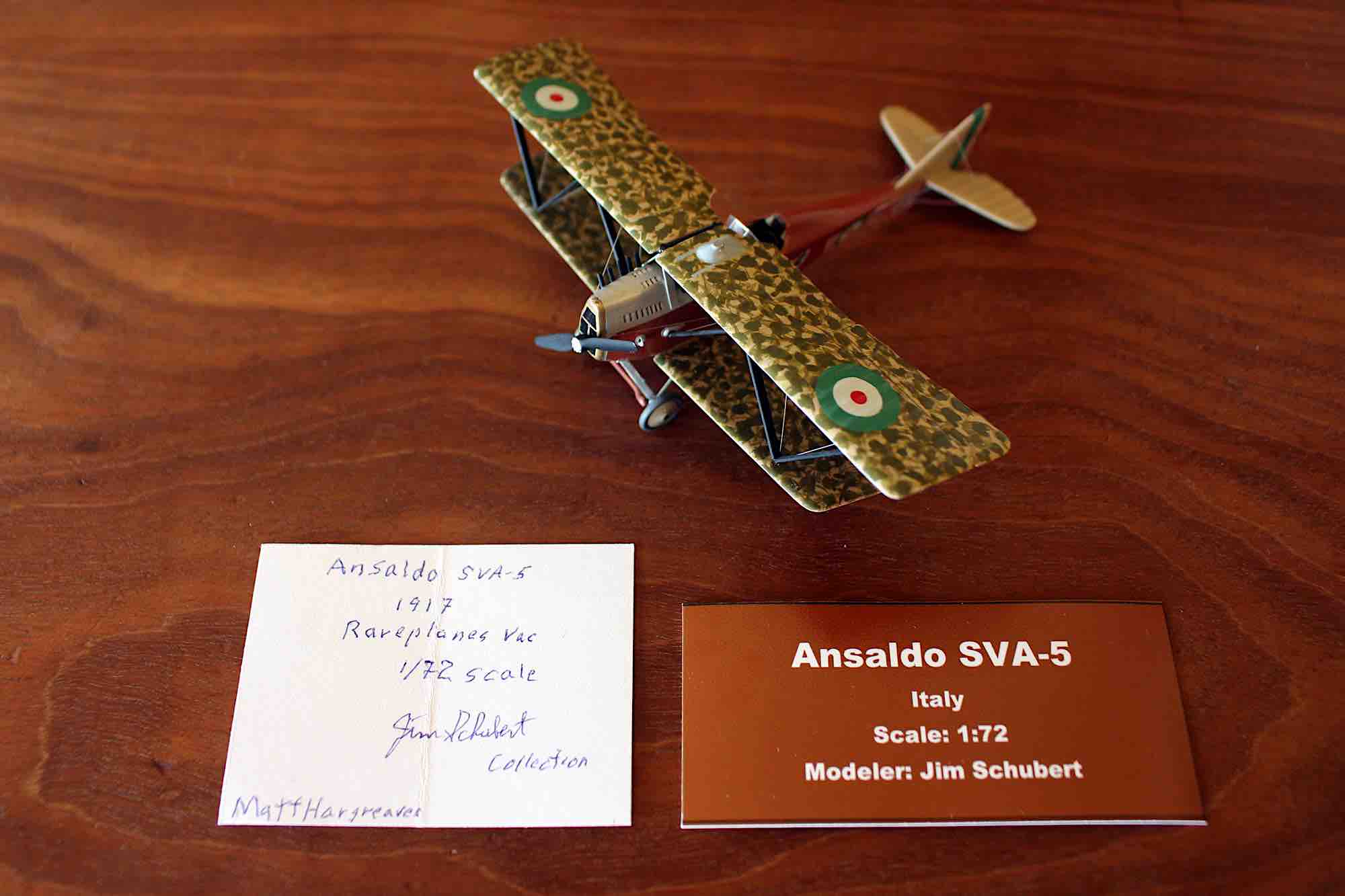
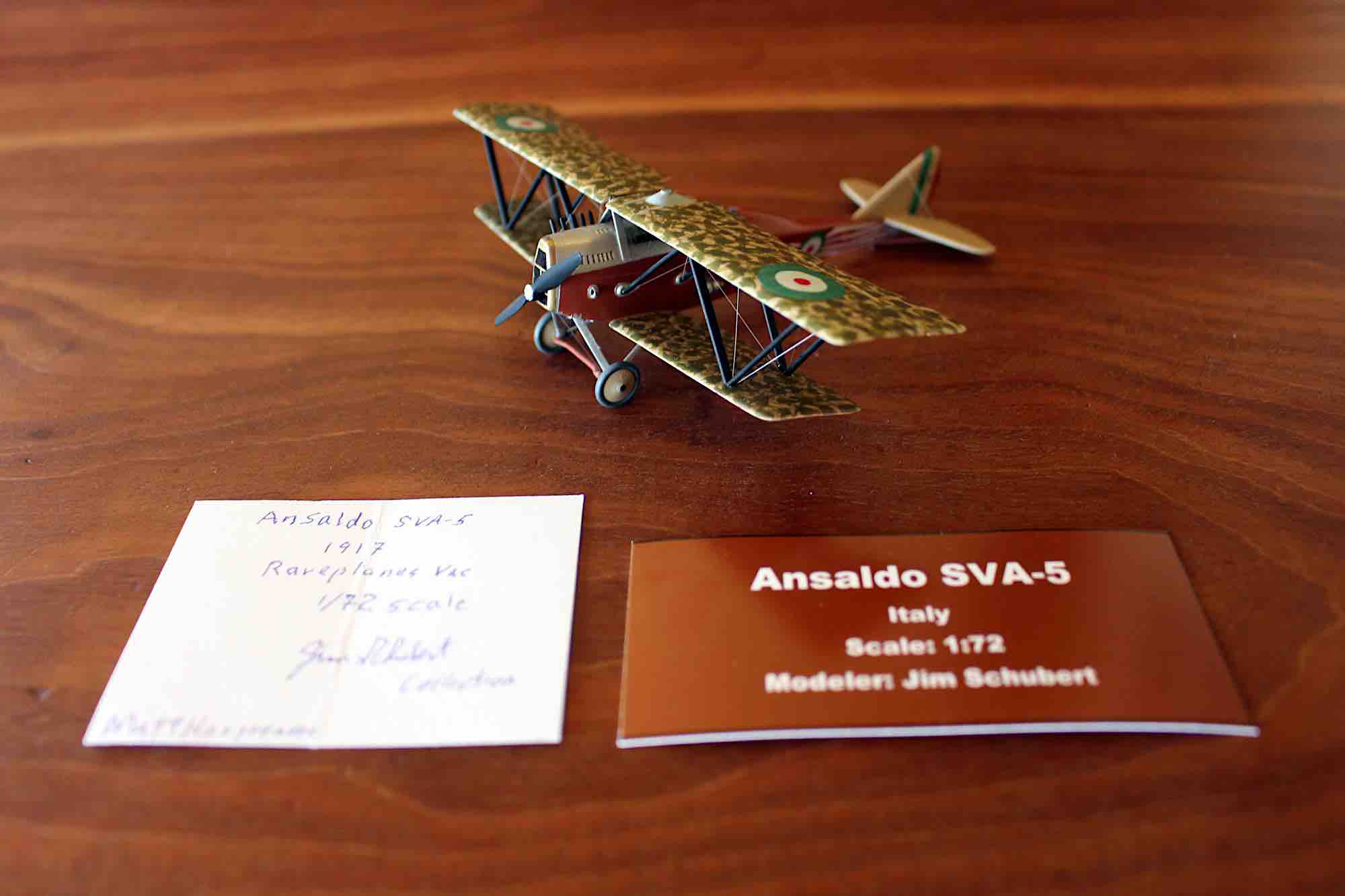
Ansaldo SVA-5
Photograph 24 of 25 · Designed by engineers Umberto Savoia and Rodolfo Verduzio and manufactured by Società Giovanni Ansaldo, the SVA series first flew in March 1917 and entered active service in early 1918. While originally intended to serve as a fighter, it lacked the agility needed for tight dogfights. However, its exceptional top speed—making it one of the fastest Allied aircraft of the war—coupled with a superb service ceiling and range, transformed it into an outstanding long-range reconnaissance aircraft and light bomber.
Ansaldo SVA-5
Photograph 25 of 25 · A defining feature of the Ansaldo SVA-5's structural engineering is the distinctive Warren Truss-style wing struts, which completely eliminated the need for traditional spanwise bracing wires. Powered by a SPA 6A 6-cylinder liquid-cooled inline engine (220 hp) engine, it could reach 230 km/h (143 mph), and had a service ceiling of 6,700 m (21,980 ft).
Photograph 1 of 25