Twenty galleries from Jim Schubert’s model collection and individual projects.
Browse the archive
Choose a collection
Selected collection
Collection 02
25 photographs in this collection. Every slide has a permanent address
that can be copied and shared.
Photograph descriptions were drafted with assistance from Google
Gemini and may contain errors. IPMS Seattle has reviewed and
corrected them where practical. If you can improve an
identification, please
contact the web coordinator.
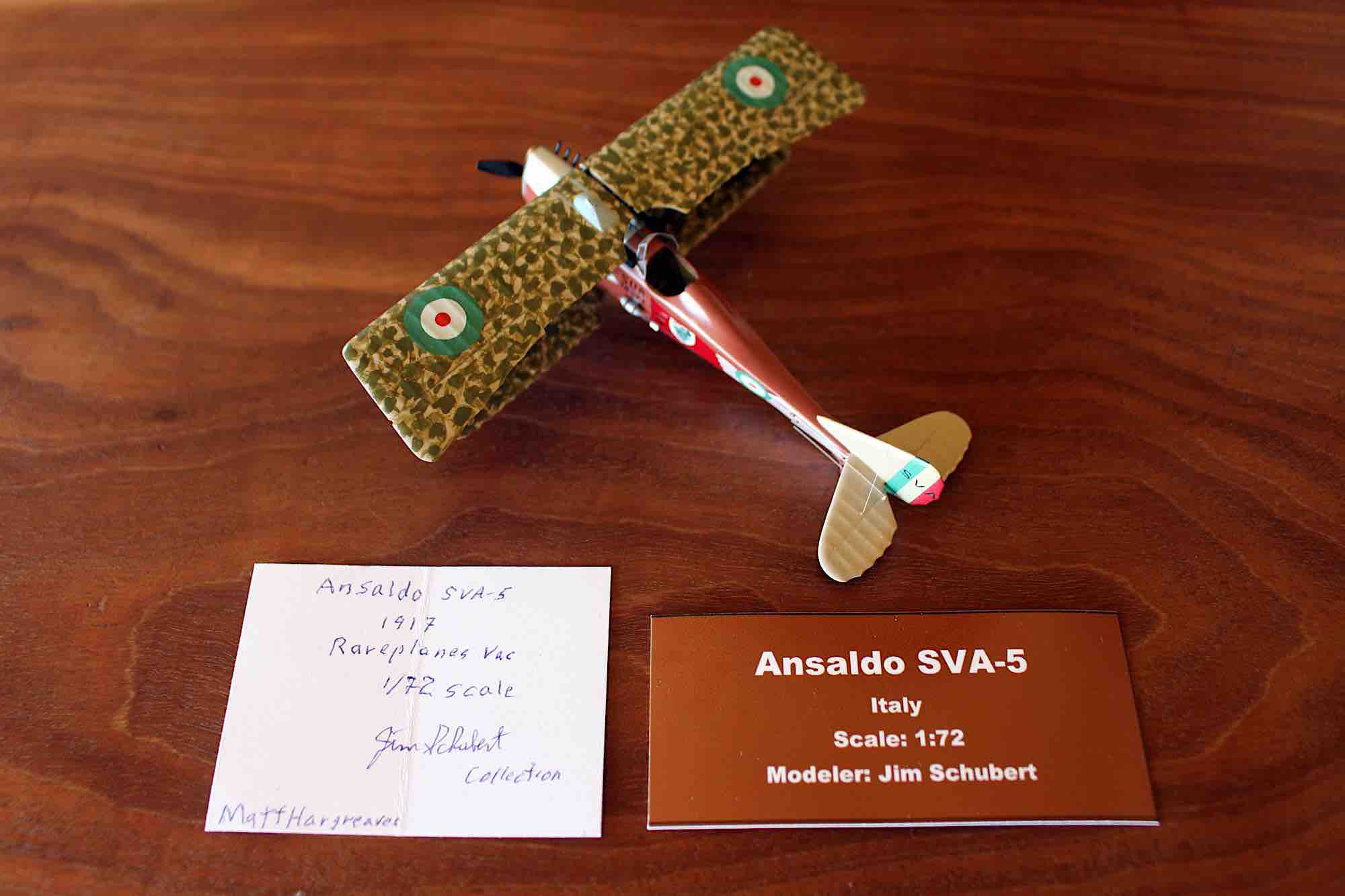
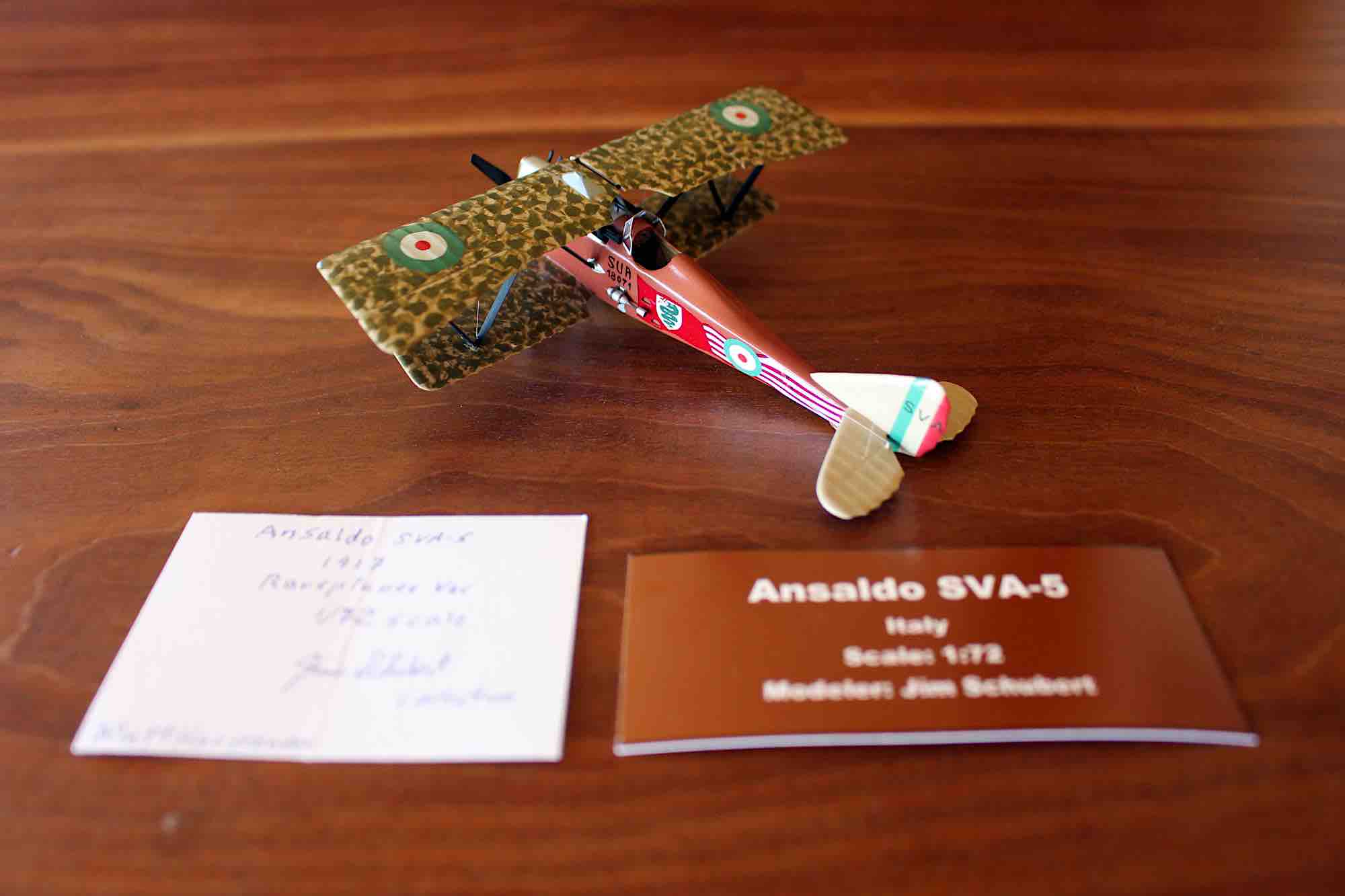
Photograph 1 of 25 · This was built from a Rareplanes vacuum-formed (vacuform) kit, featuring the distinctive Warren-Truss wing struts and mottled camouflage pattern common to the 87th La Serenissima squadron.
Photograph 2 of 25 · It is most famous for the Flight over Vienna in 1918, led by Gabriele d'Annunzio, which dropped propaganda leaflets over the city.
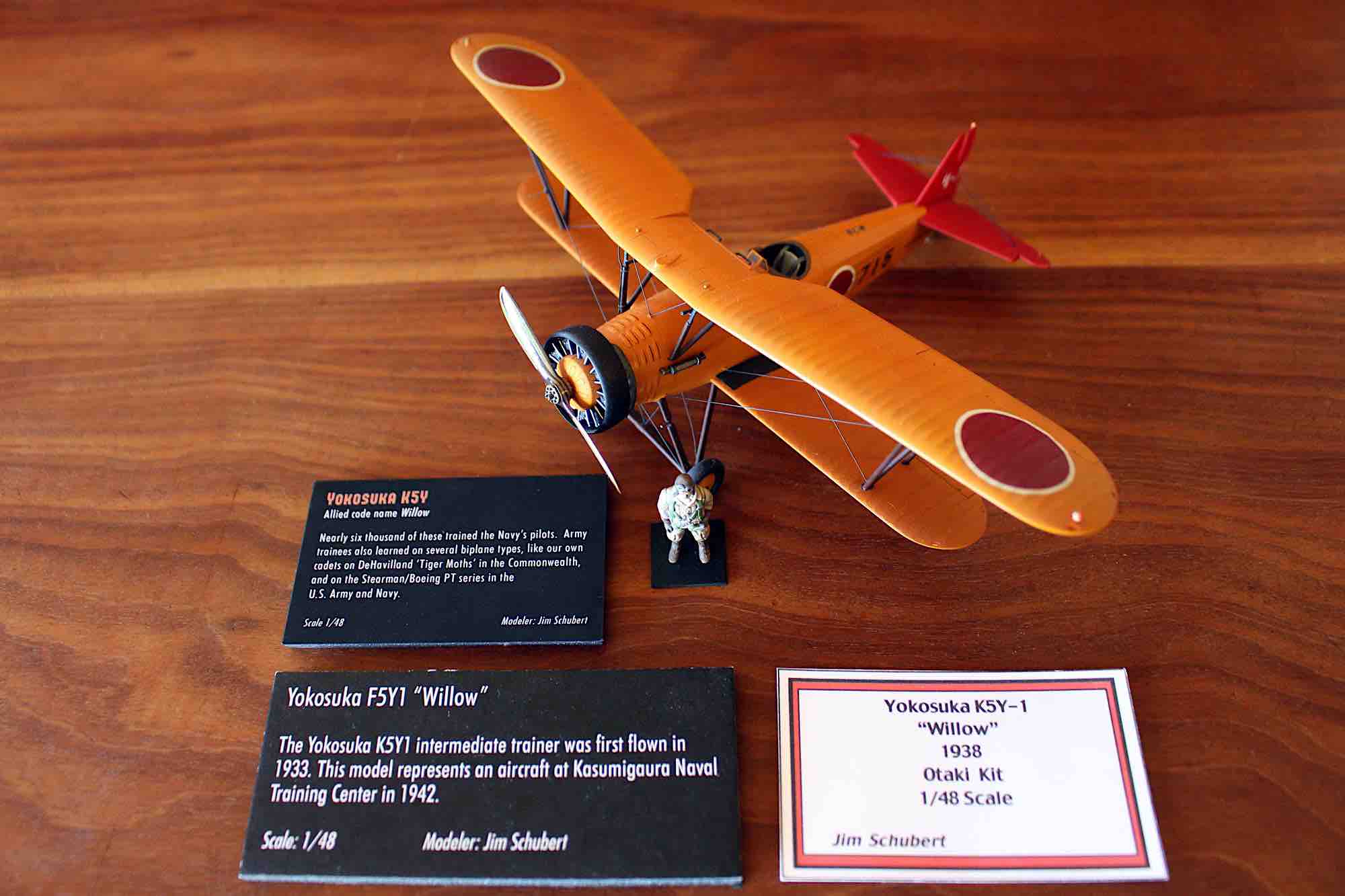
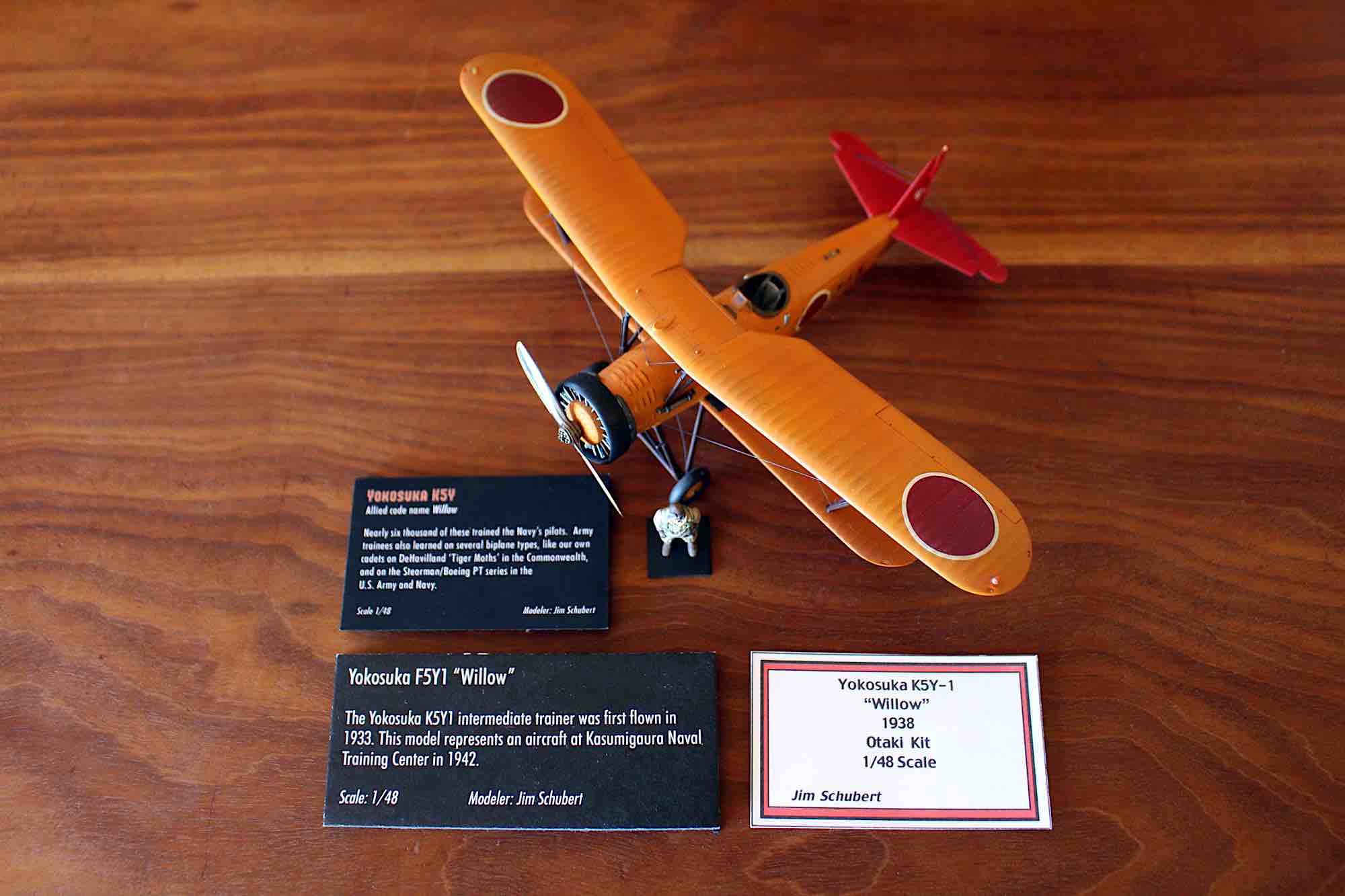
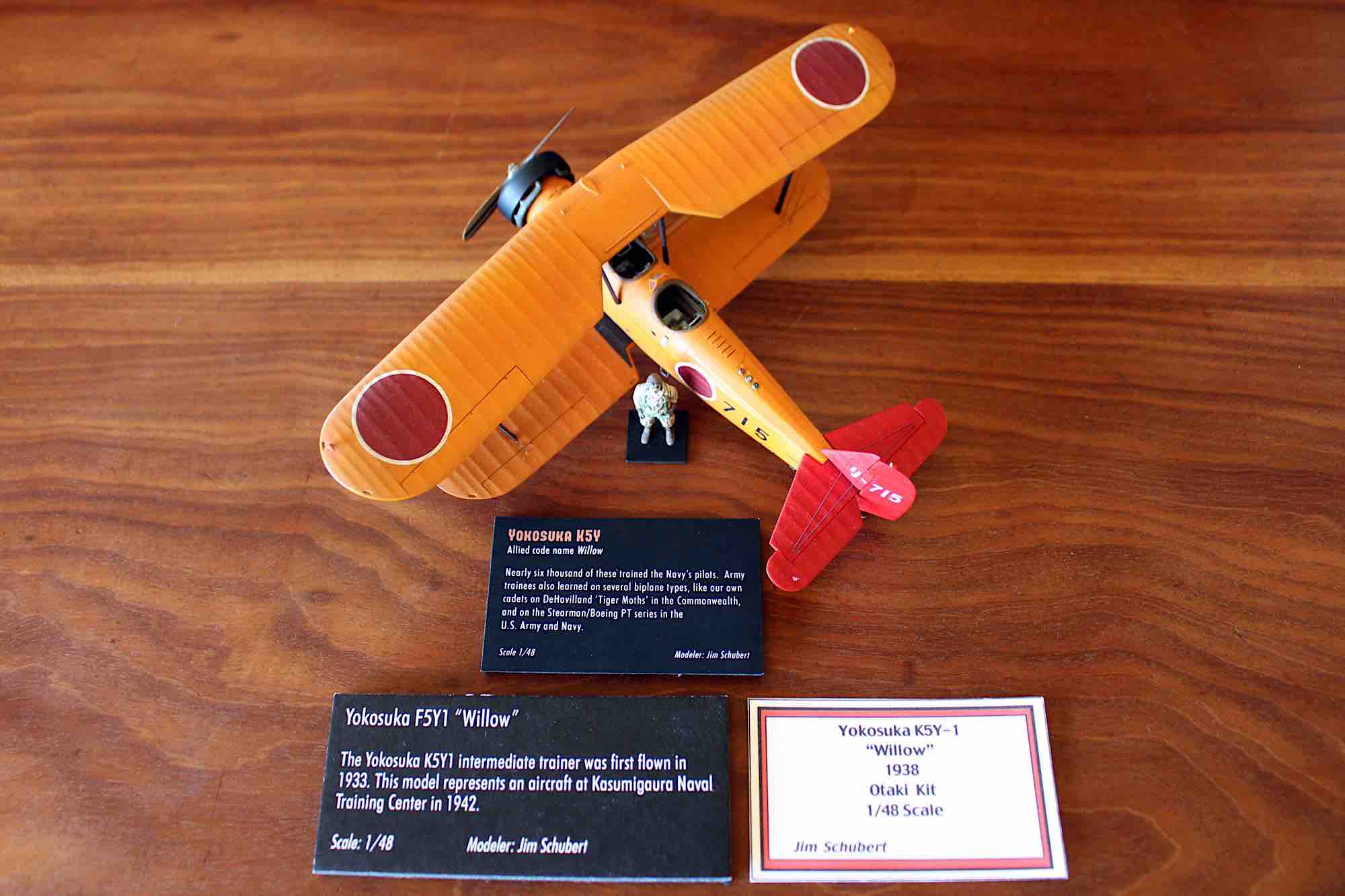
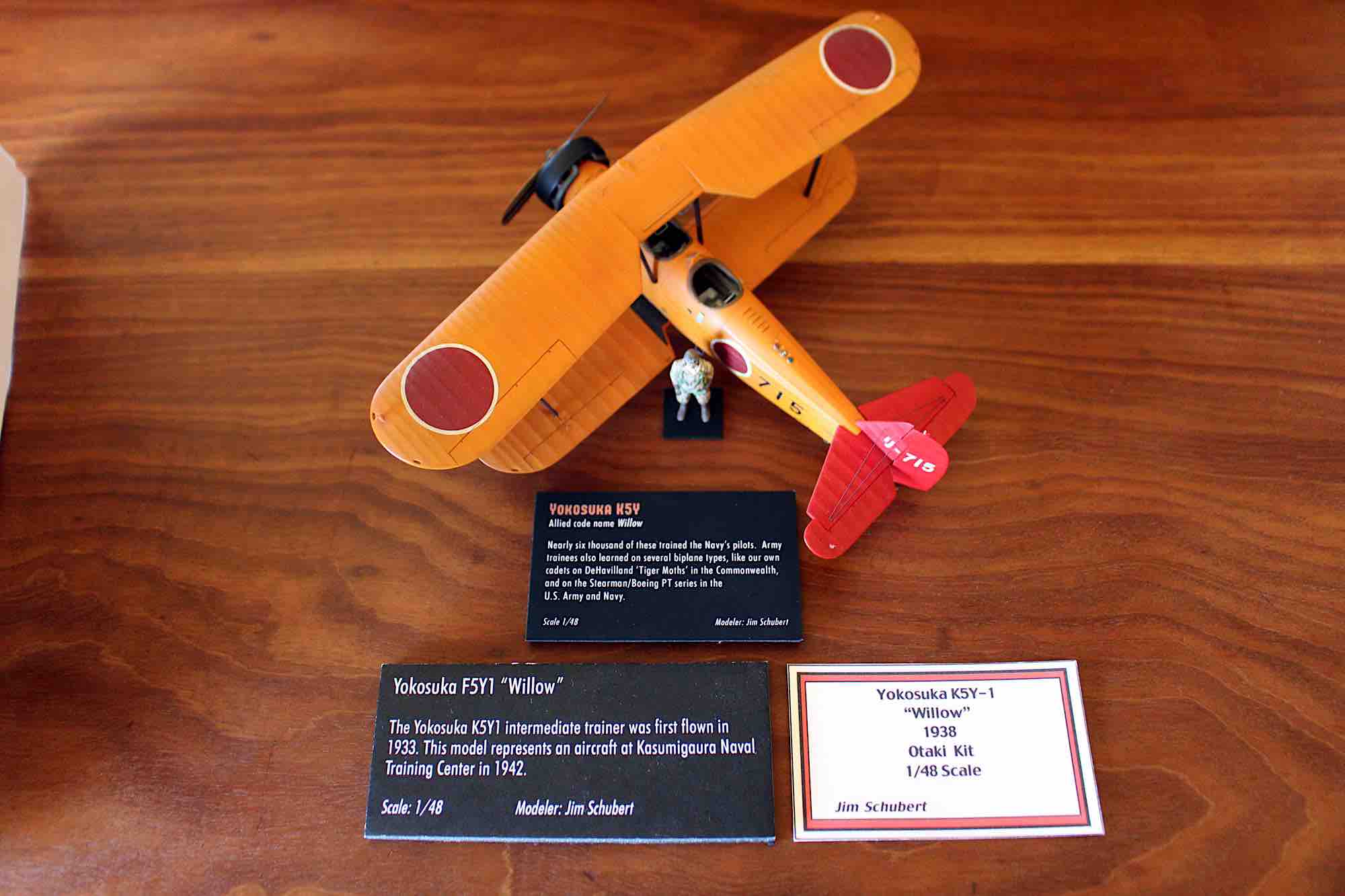
Photograph 3 of 25 · Yokosuka K5Y1 "Willow" (Japanese Navy Type 93 Intermediate Trainer), this represents an orange-painted trainer aircraft from the Kasumigaura Naval Training Center in 1942.
Photograph 4 of 25 · In the final months of the Pacific War, shortages pushed the aging biplanes out of the schoolyards and onto the frontlines. Modified to carry a single 250kg bomb, a K5Y flown by the Kamikaze Special Attack Corps achieved a tragic historical distinction: on July 29, 1945, a "Willow" struck and sank the destroyer USS Callaghan (DD-792), the last US warship lost to a kamikaze attack in WWII.
Photograph 5 of 25 · Because visibility is vital for student aviators, the aircraft were painted a bright high-visibility orange-yellow. This striking color scheme earned the K5Y its legendary affectionate nickname among pilots and the Japanese public: aka-tombo, or "Red Dragonfly".
Photograph 6 of 25 · High utility and a straightforward, reliable design made it the most heavily produced trainer in Japanese history. Over 5,770 units were manufactured between 1933 and 1945 across eight separate aviation companies, including Kawanishi, Mitsubishi, and Hitachi.
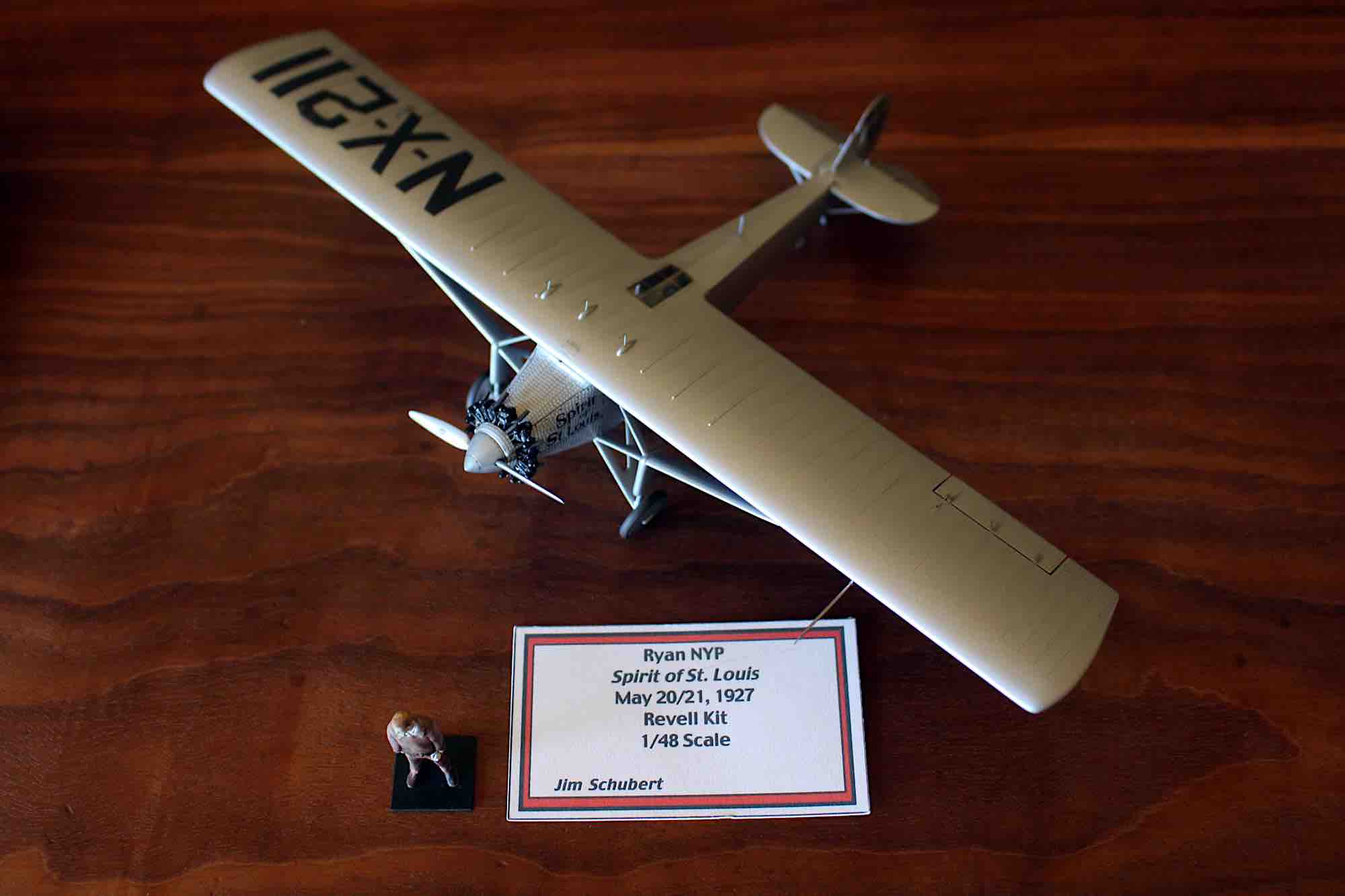
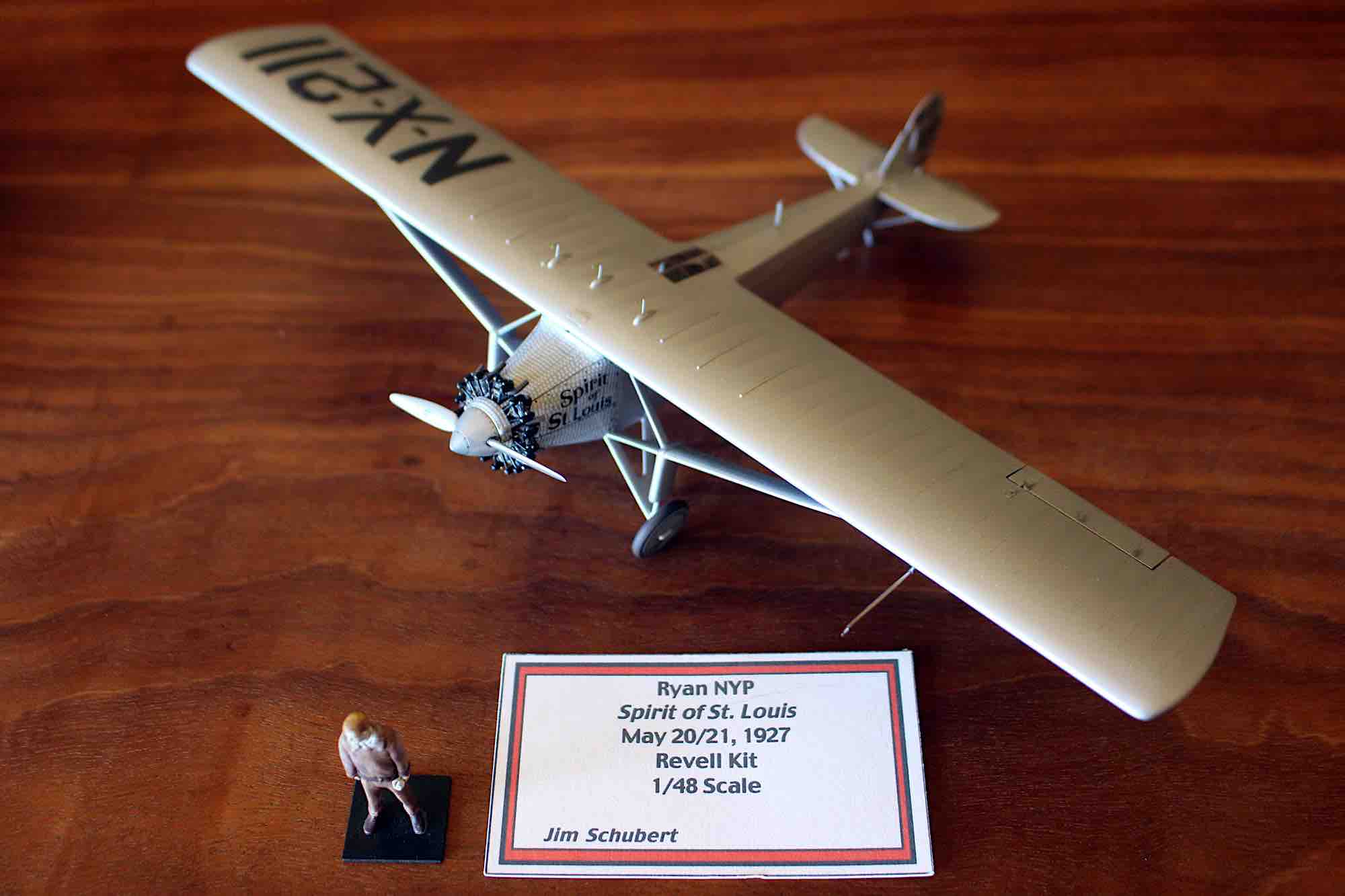
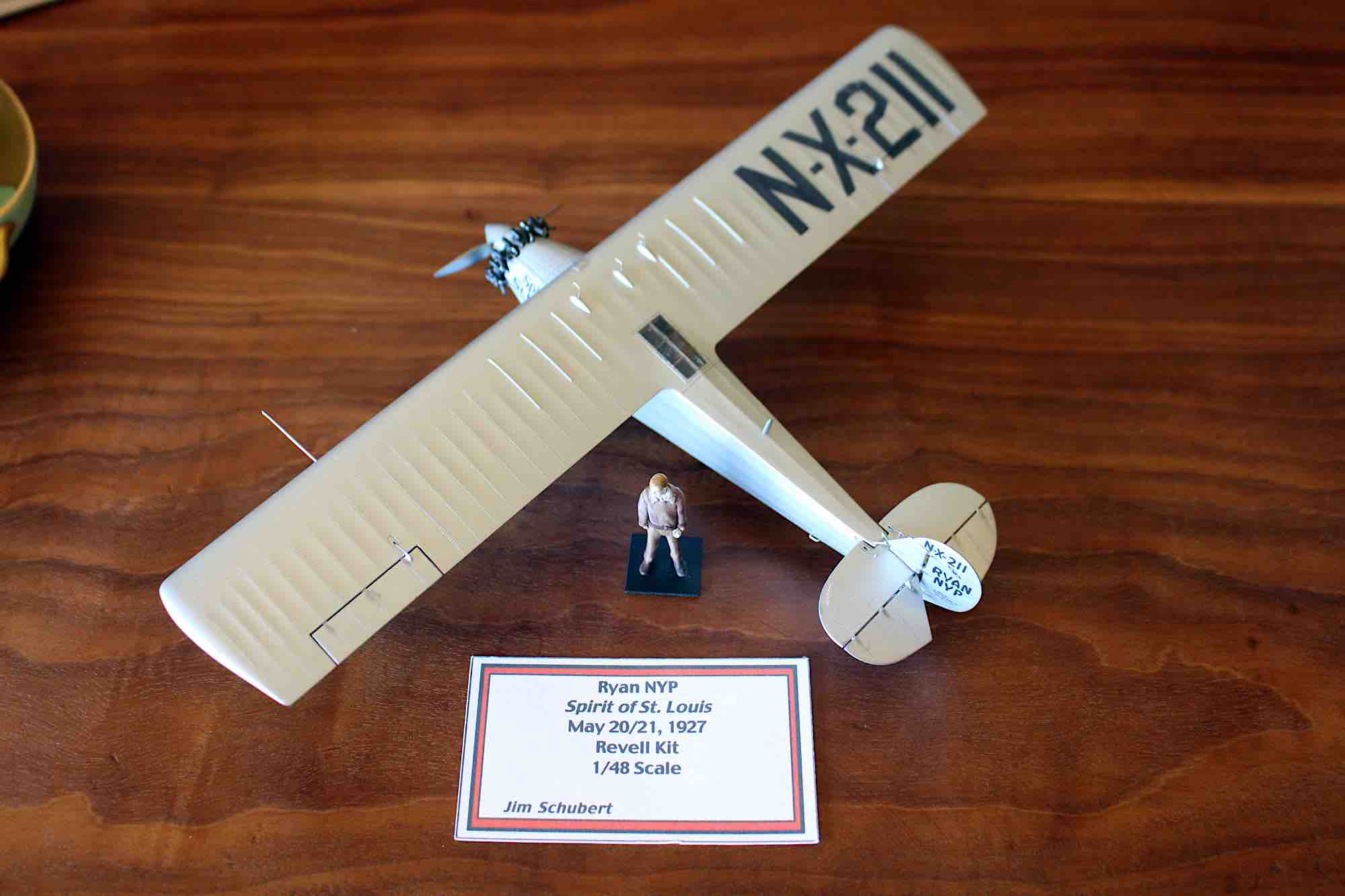
Photograph 7 of 25 · The Ryan NYP (New York–Paris) is one of the most famous custom-built aircraft in aviation history. Piloted by 25-year-old Charles Lindbergh, the plane took off from Roosevelt Field, Long Island, on May 20, 1927. It landed at Le Bourget Field near Paris 33 hours and 30 minutes later, covering roughly 3,600 miles. This marked the first solo, nonstop transatlantic flight, earning Lindbergh the $25,000 Orteig Prize.
Photograph 8 of 25 · The Ryan NYP was custom-built by Ryan Airlines in San Diego, California. The total contract price for the aircraft, including its engine, was just $10,580.
Photograph 9 of 25 · The Ryan NYP was not built entirely from scratch; it was heavily modified from a standard high-wing Ryan M-2 mailplane. To support the extreme weight of the necessary fuel, the wingspan was extended by 10 feet.
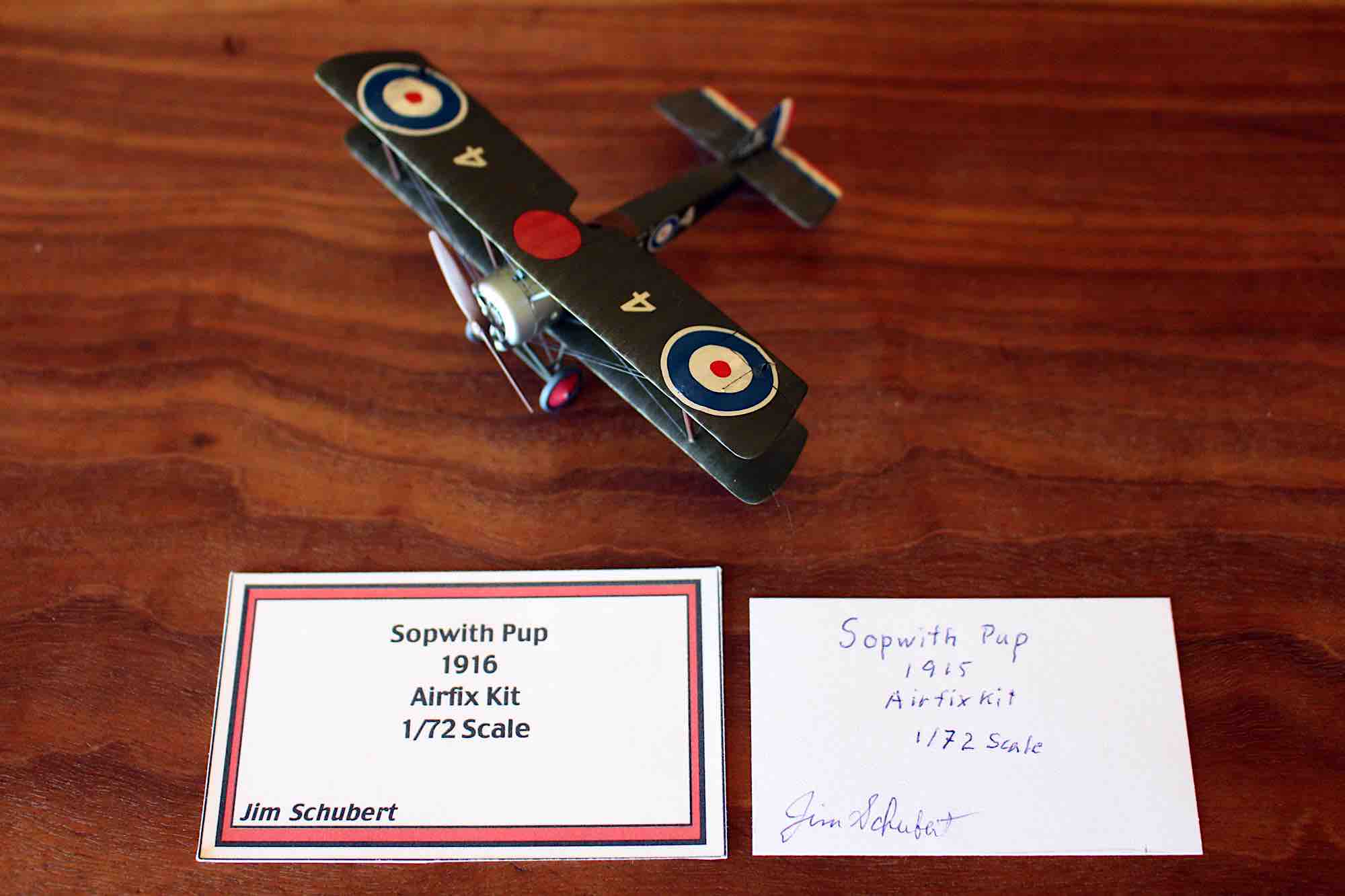
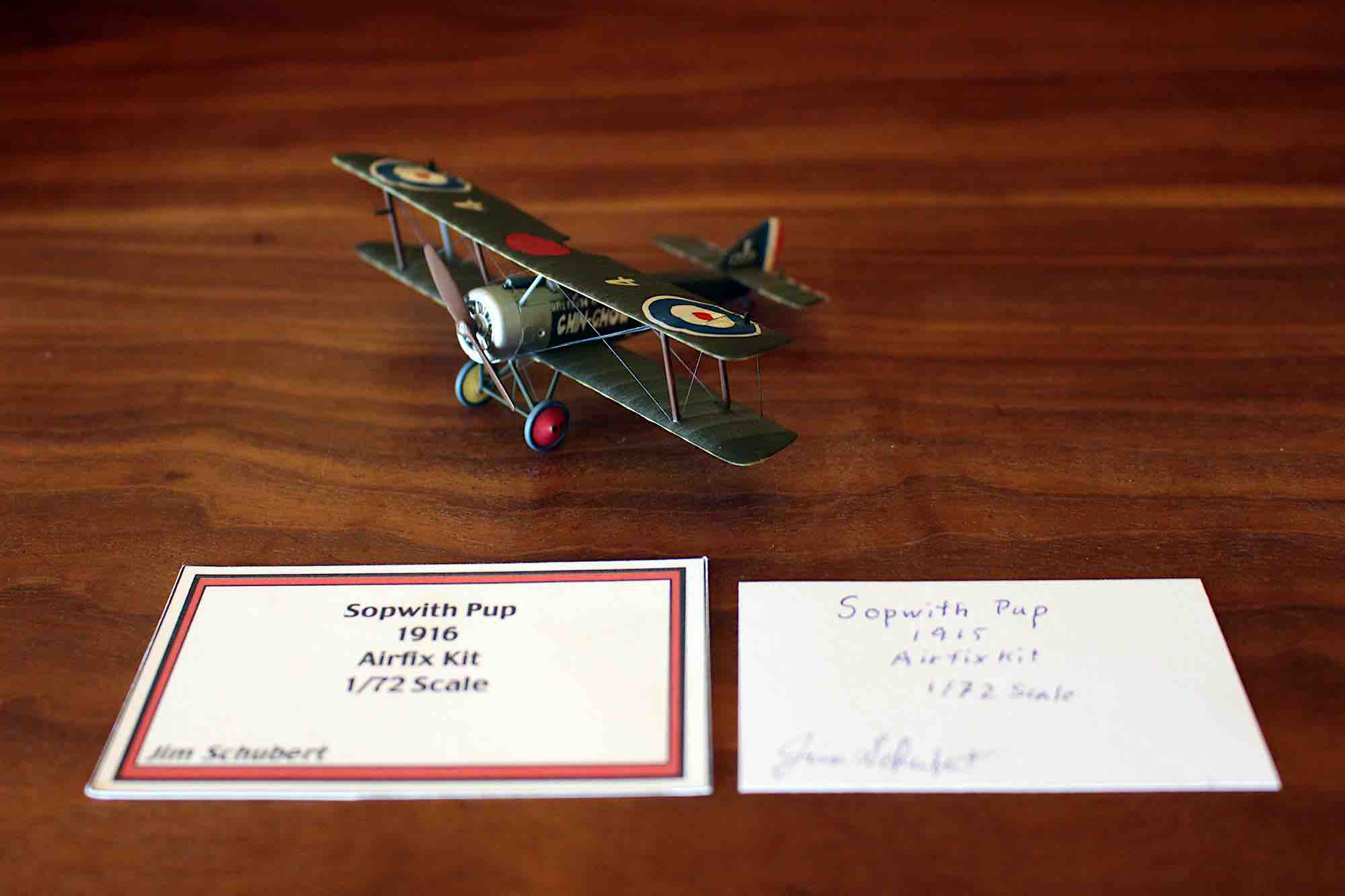
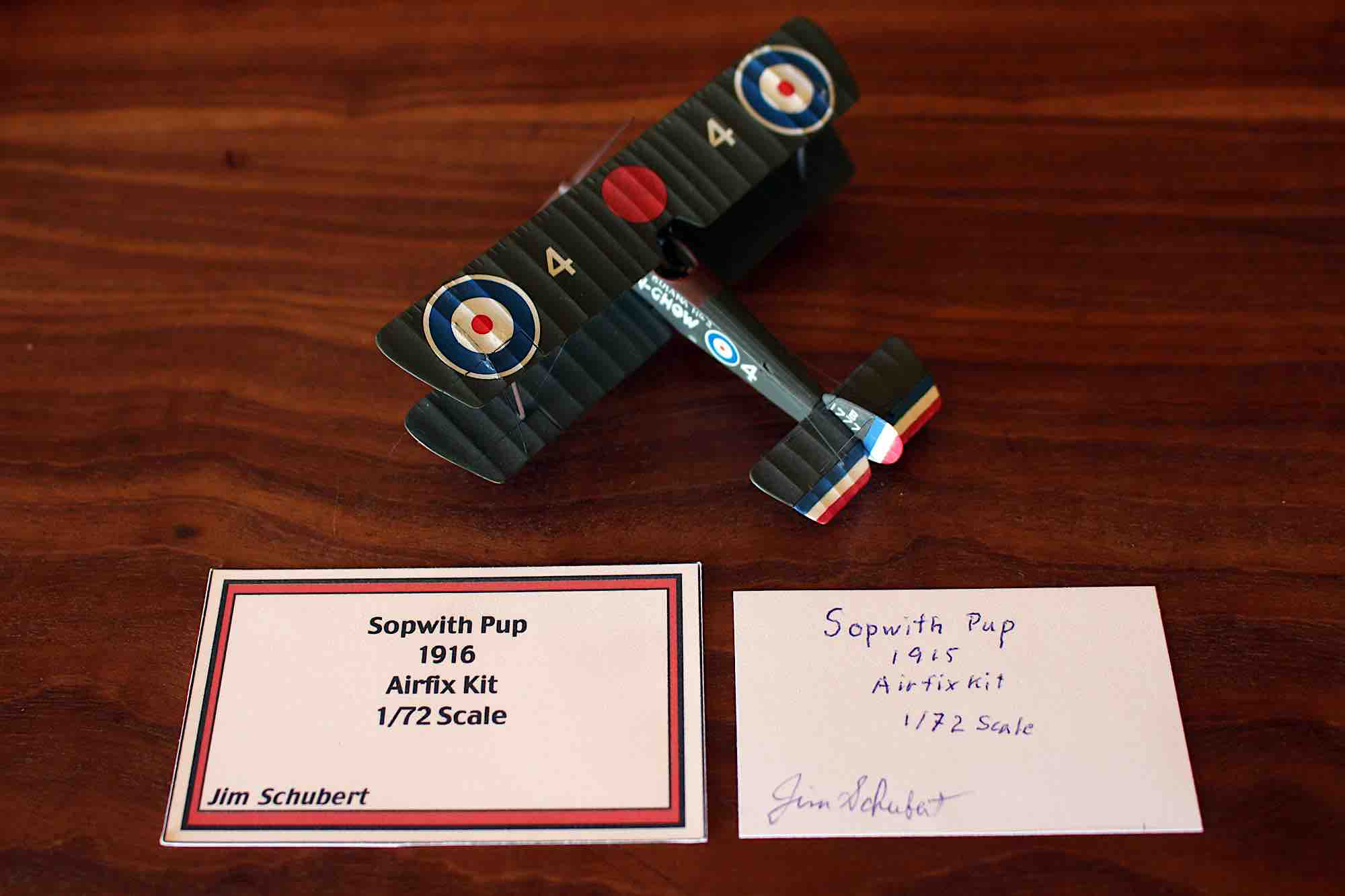
Photograph 10 of 25 · The Sopwith Pup was one of the most successful and beloved British fighter aircraft of World War I. Officially designated by the British War Office as the Sopwith Scout, it quickly earned a legendary place in aviation history.
Photograph 11 of 25 · First flying in February 1916 and entering service in autumn 1916, the Pup was powered by an 80 hp Le Rhône or 100 hp Gnome Monosoupape rotary engine. While underpowered compared to later fighters, it was incredibly light, possessed an exceptional rate of climb, and could hold its altitude beautifully.
Photograph 12 of 25 · Celebrated British ace James McCudden famously remarked that no matter how good a German pilot was, "when it came to manoeuvring, the Sopwith [Pup] would turn twice to an Albatros' once."
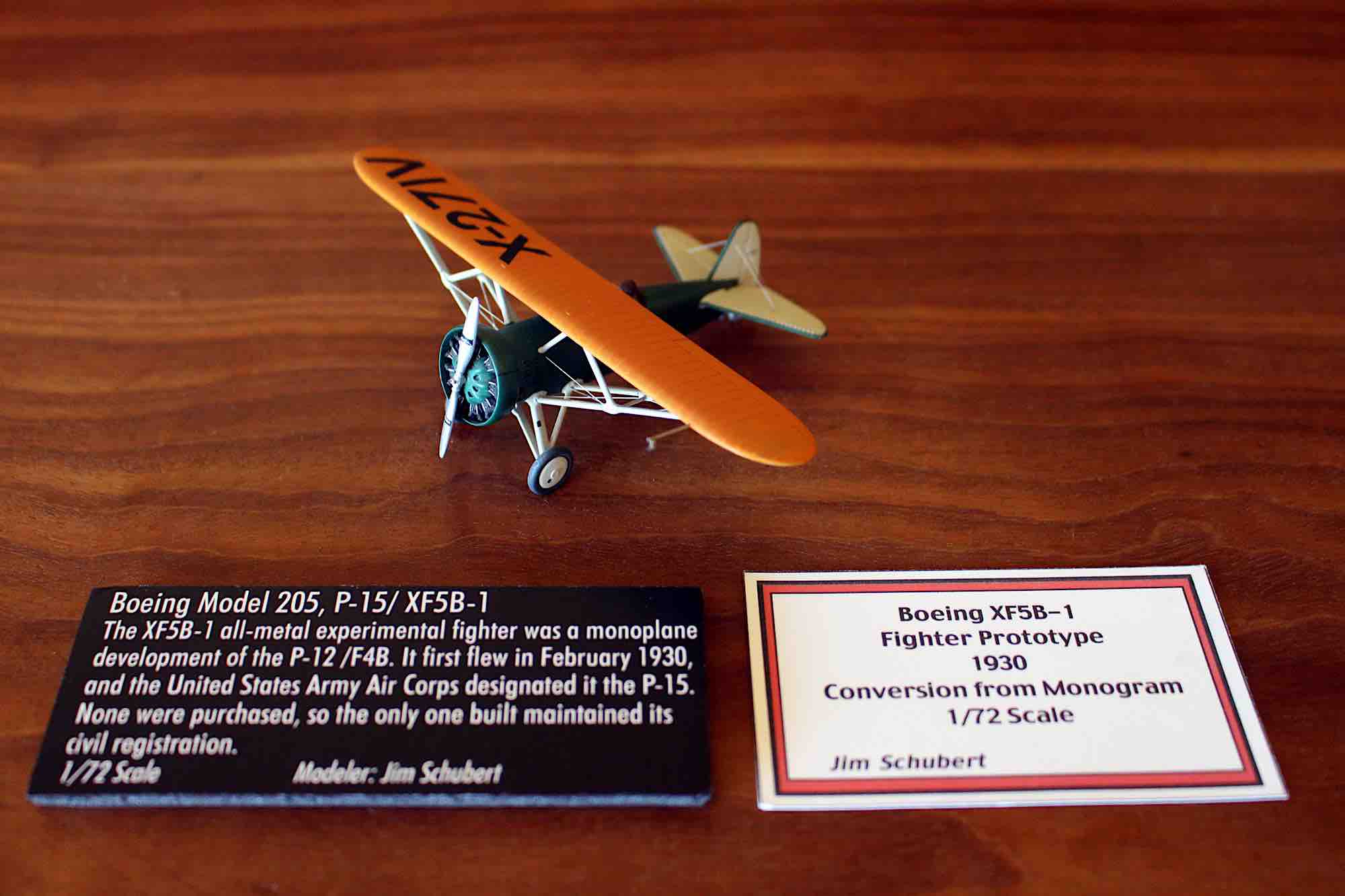
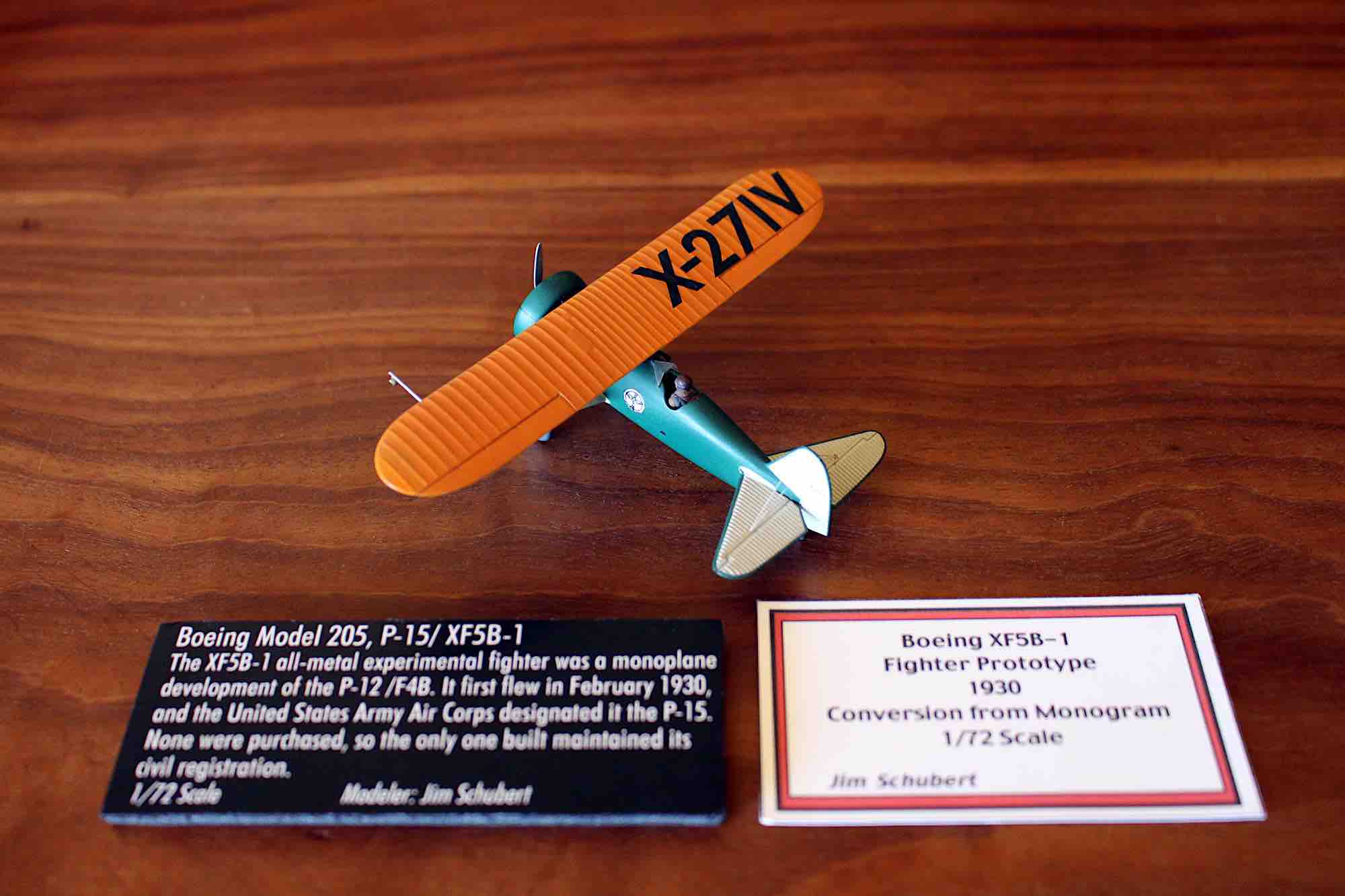
Photograph 13 of 25 · The Boeing XF5B-1 (known internally as the Model 205) was an experimental carrier-capable fighter developed as a private venture by Boeing. Based heavily on the successful P-12/F4B biplane series but with the lower wing removed, it became the first monoplane type designed to enter service and achieve carrier qualification with the United States Navy.
Photograph 14 of 25 · Delivered to Naval Air Station Anacostia on February 9, 1930, under civil registration X-271V (serial number A-8640), the aircraft was tested comprehensively for roughly two years. Evaluation teams noted it suffered from a poor rate of climb and uncomfortably high landing speeds, making it less reliable for tight carrier operations than the existing F4B biplanes. While no production orders were placed, the Navy fully purchased the sole prototype to collect monoplane flight metrics before subjecting the airframe to structural static destruction testing in 1932.
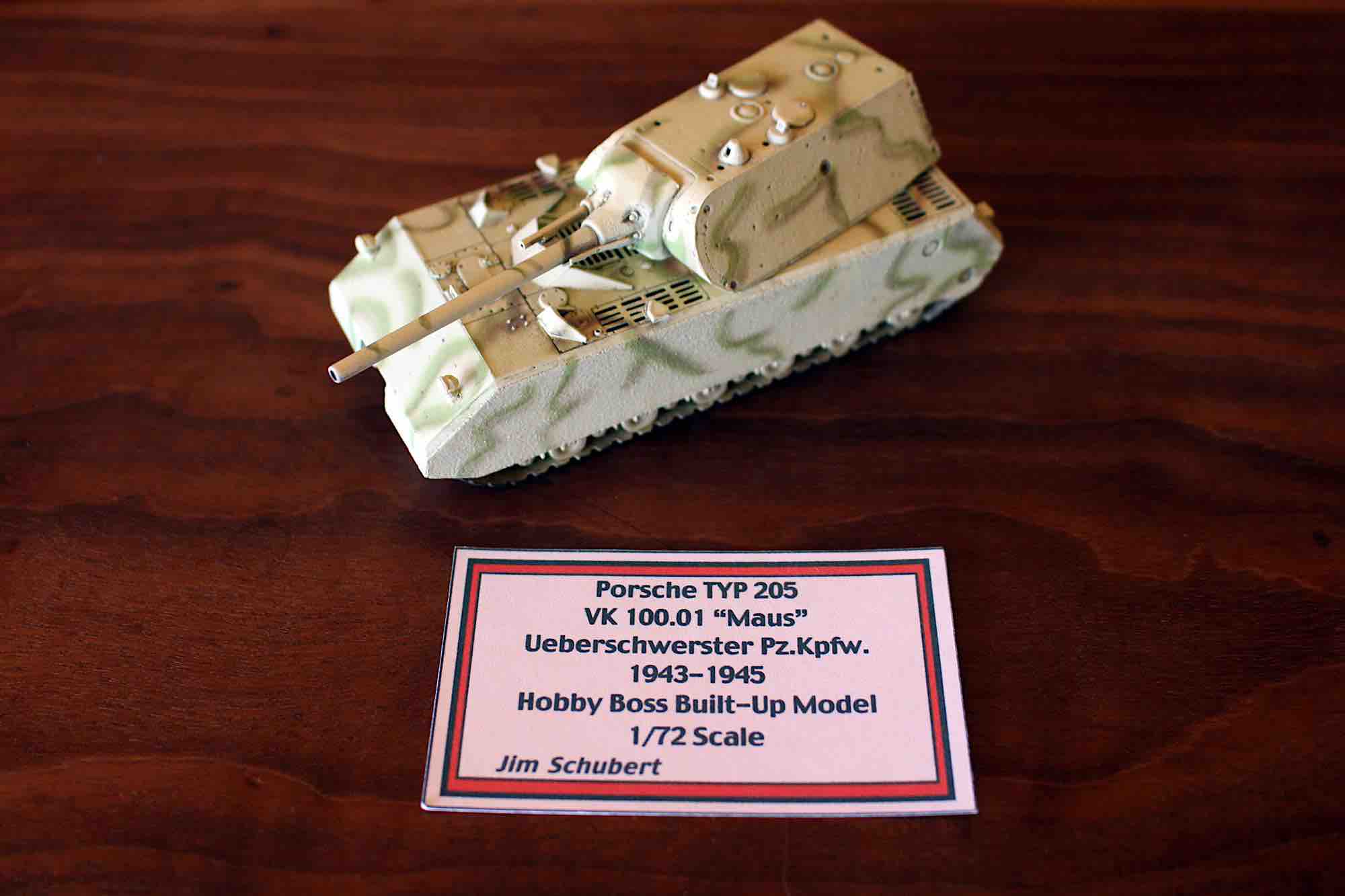
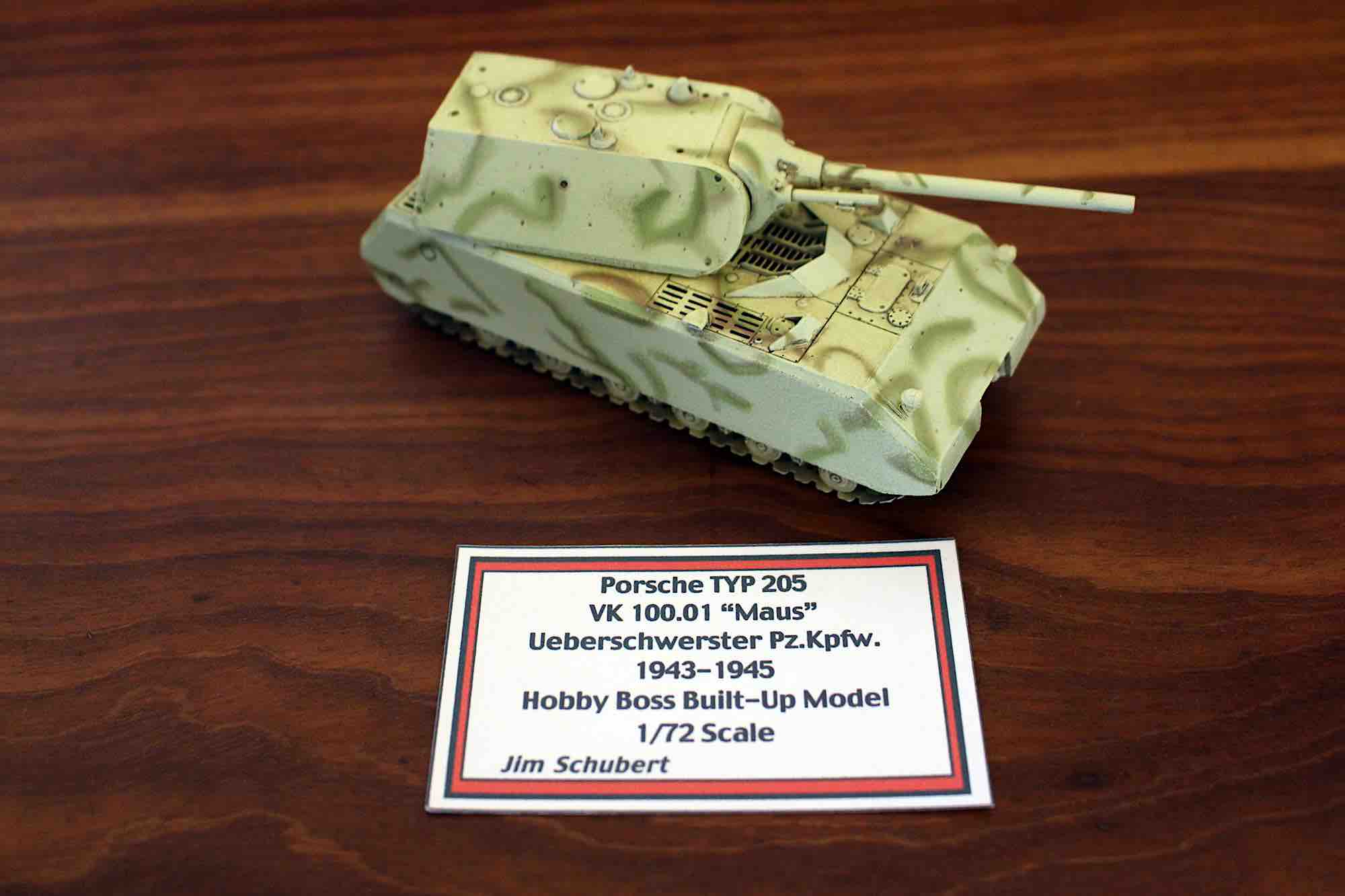
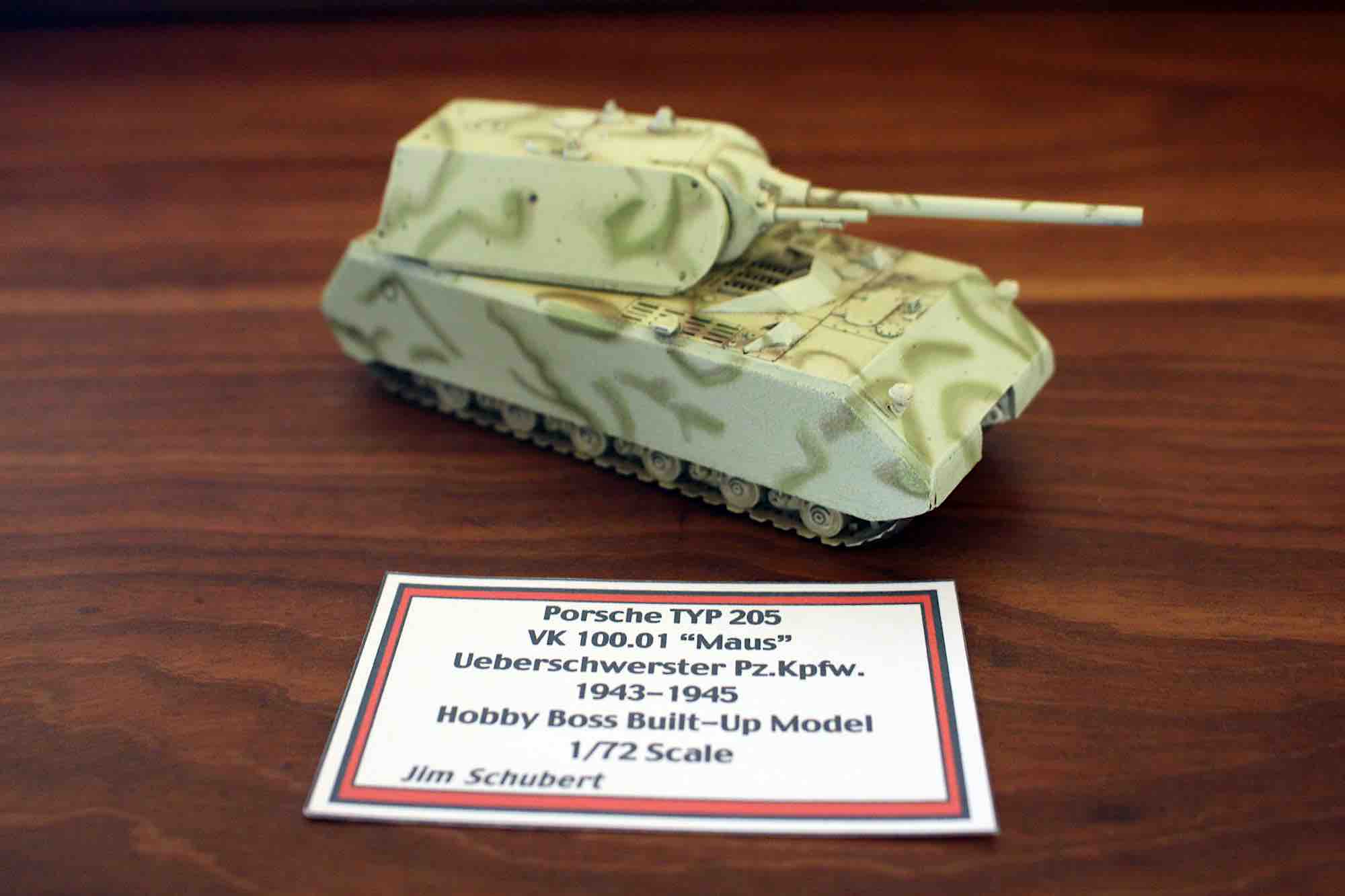
Photograph 15 of 25 · The Panzerkampfwagen VIII Maus was a Nazi German super-heavy tank prototype developed during World War II. Commissioned by Adolf Hitler and designed by Ferdinand Porsche, it remains the heaviest fully enclosed armored fighting vehicle ever built.
Photograph 16 of 25 · 188 metric tons. To put this in perspective, its turret alone weighed 55 tons—nearly matching the total weight of a fully equipped Tiger I tank.
Photograph 17 of 25 · Because almost no European bridges could support its 188-ton weight, the tank could not cross rivers normally. Porsche designed an advanced deep-fording snorkel system. It required a "buddy system" where one Maus remained on the riverbank to transmit electricity via a cable to power the electric motor of the submerged tank driving underwater up to 8 meters deep.
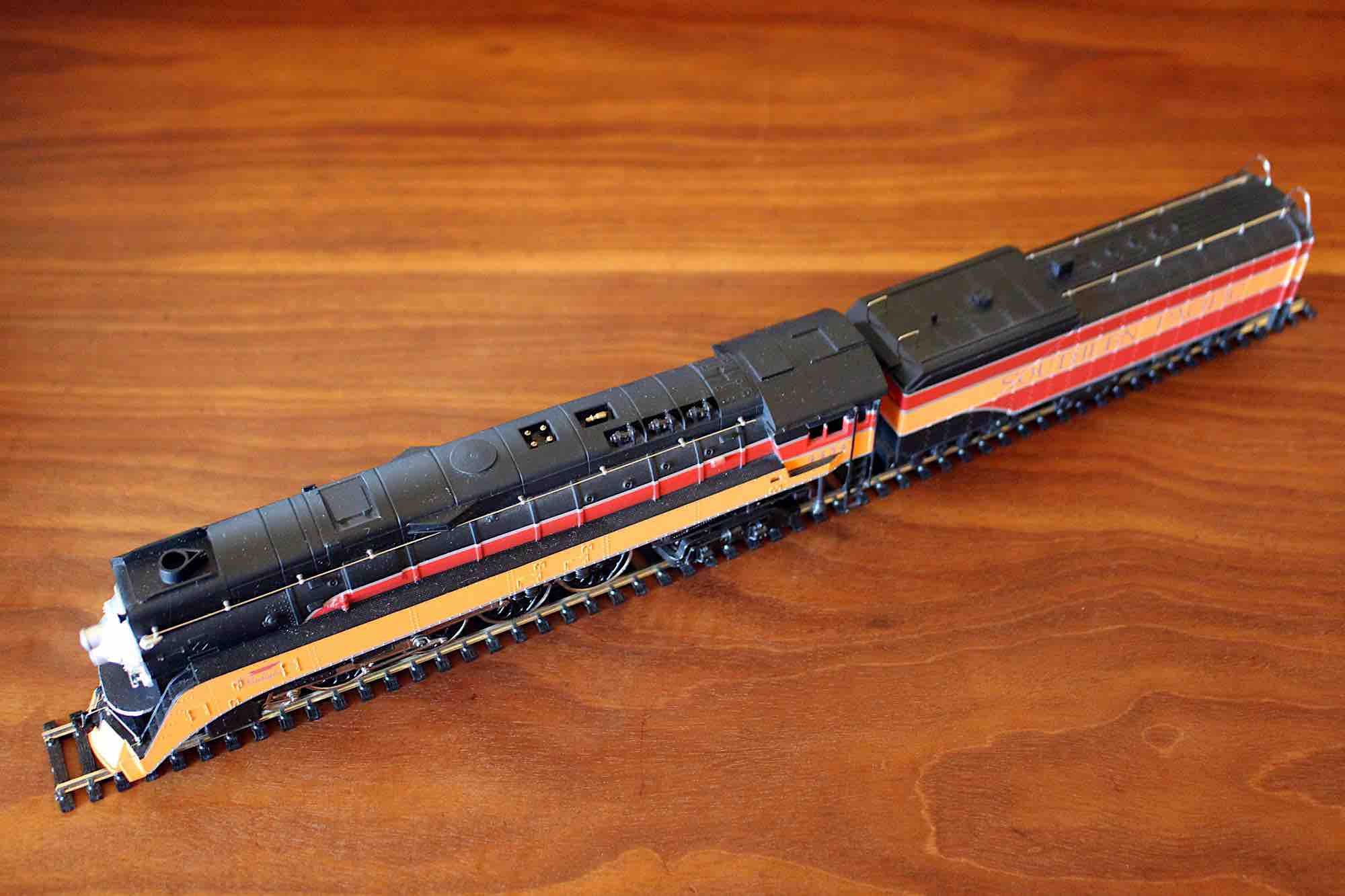
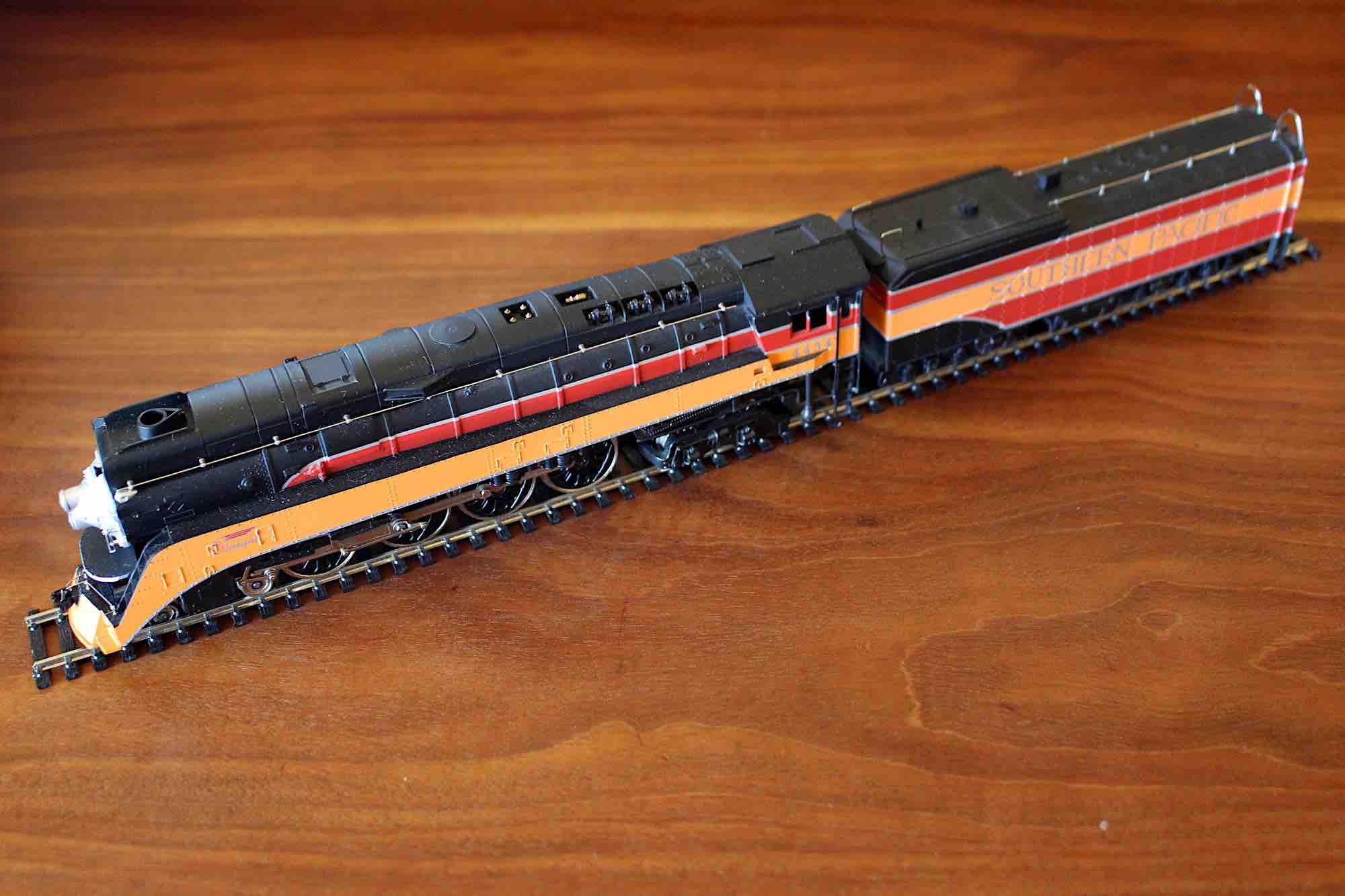
Photograph 18 of 25 · Southern Pacific GS-4 4-8-4 "Northern" steam locomotive painted in the iconic "Daylight" orange, red, and black.
Photograph 19 of 25 · Southern Pacific Lines GS-4 class 4-8-4 steam engines (most famously number 4449), which pulled the luxury Daylight passenger trains between Los Angeles and San Francisco.
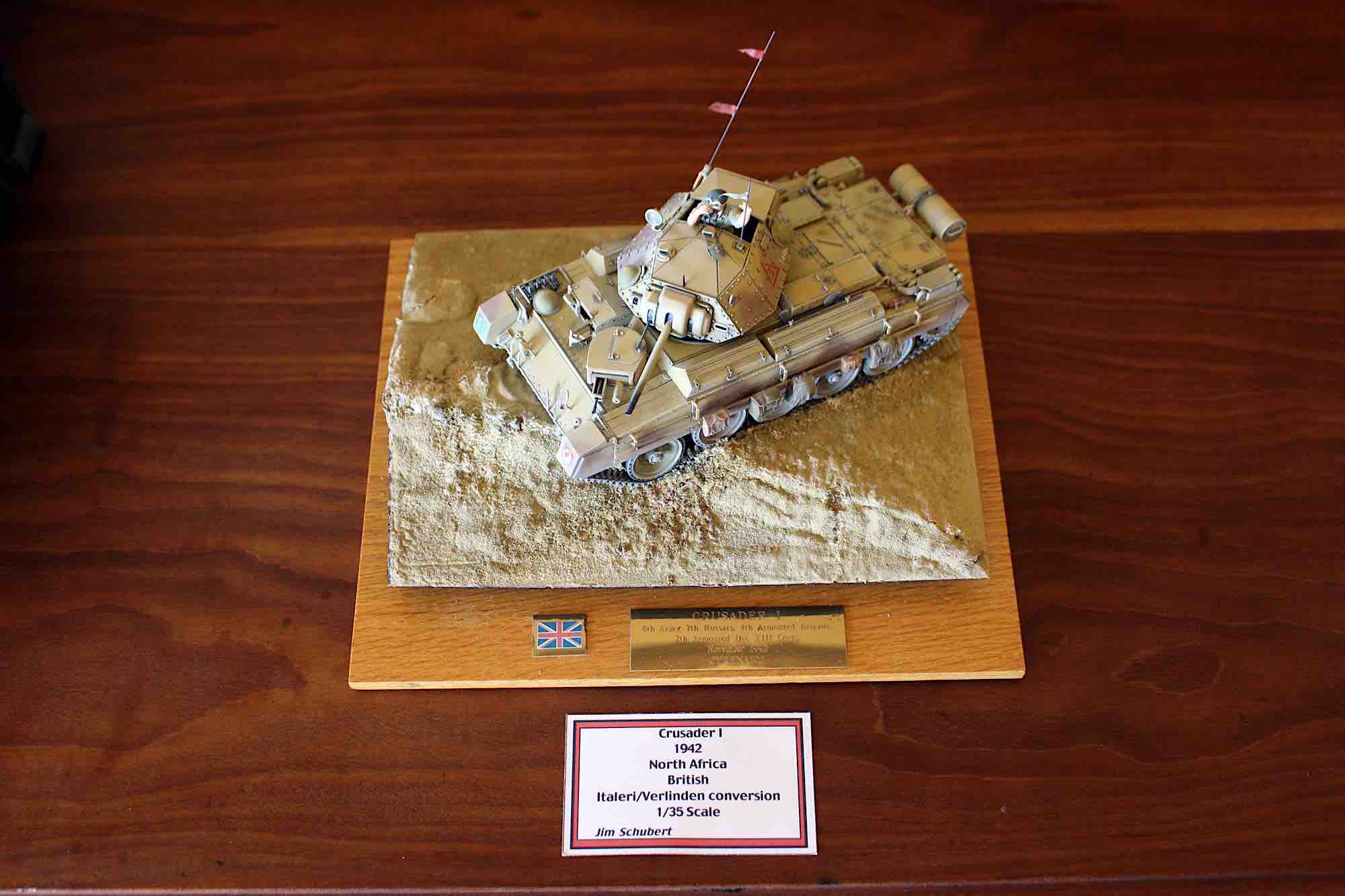
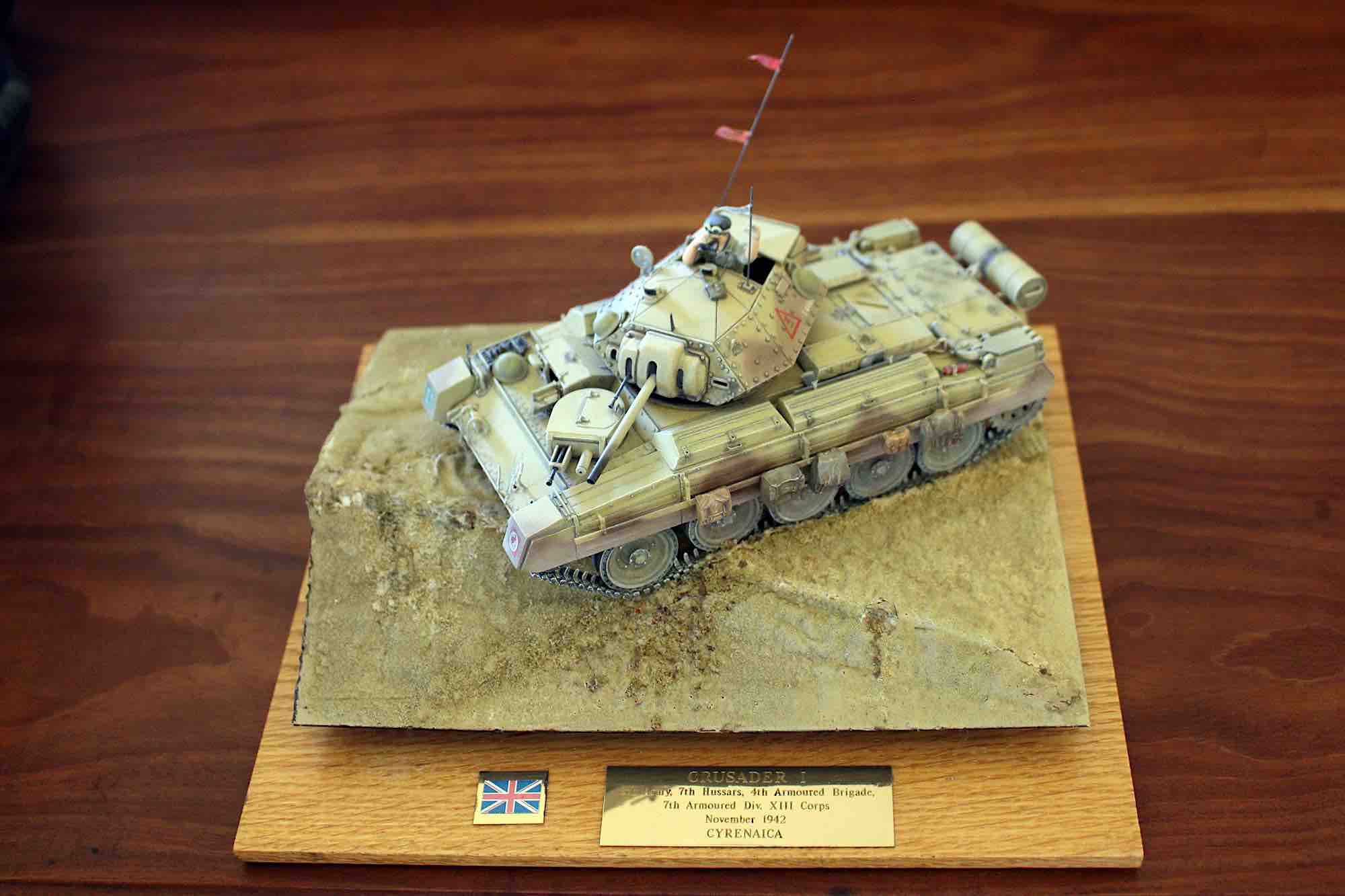
Photograph 20 of 25 · The Crusader tank (officially the Tank, Cruiser, Mk VI, Crusader, or General Staff number A15) was one of the most prominent British armored vehicles of the early World War II era. Designed by Nuffield Mechanization and Aero, it became the defining backbone of British armored forces during the iconic North African Campaign between 1941 and 1943.
Photograph 21 of 25 · It initially carried a 5-man crew. Part of this crew was packed into a cramped, auxiliary machine-gun turret mounted directly on the front left hull. This front turret restricted visibility and ventilation; tank crews in the field routinely removed it entirely or used it for extra storage space. The Crusader II increased maximum armor to 49mm and permanently deleted the problematic auxiliary hull machine-gun turret.
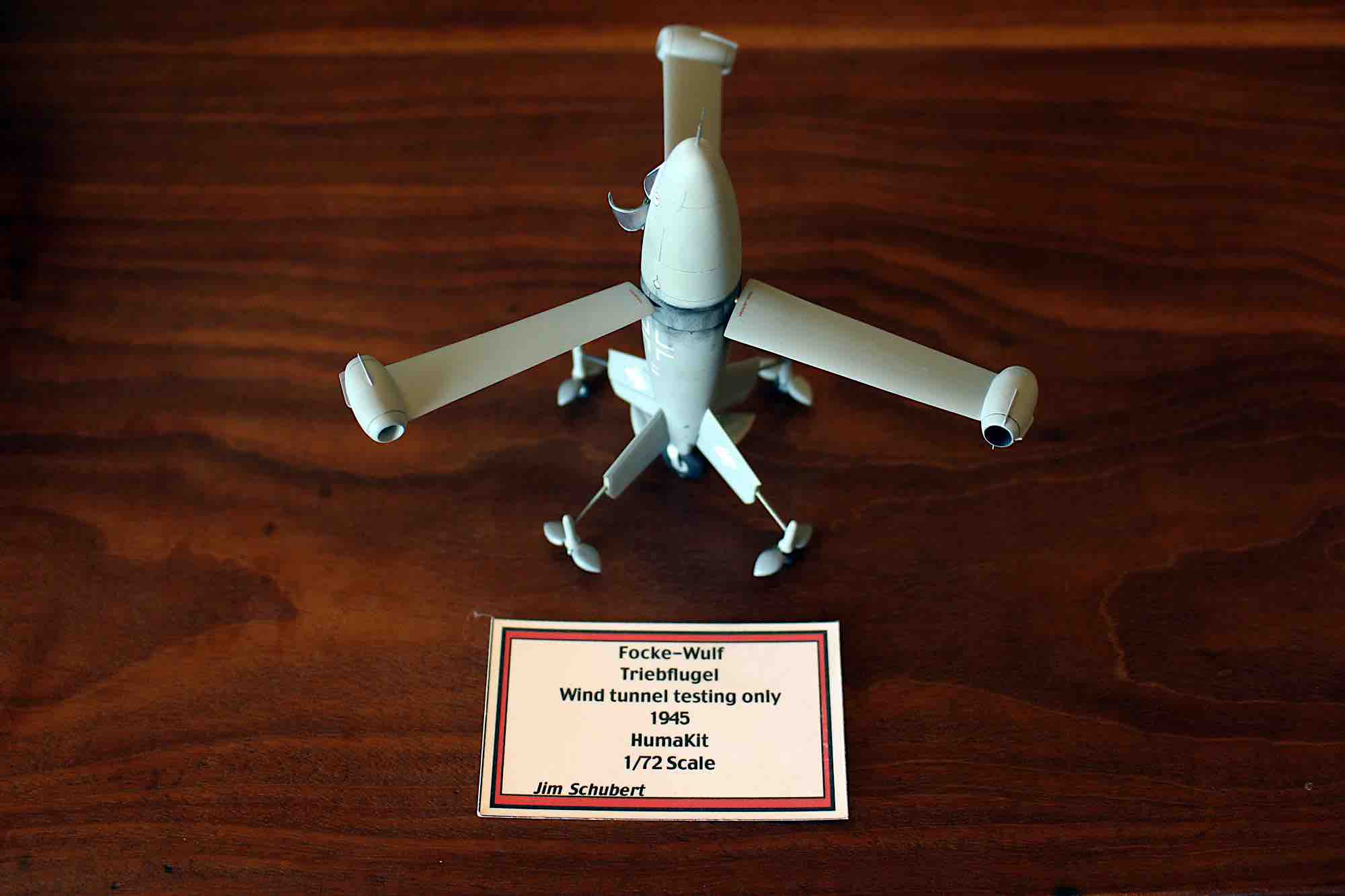
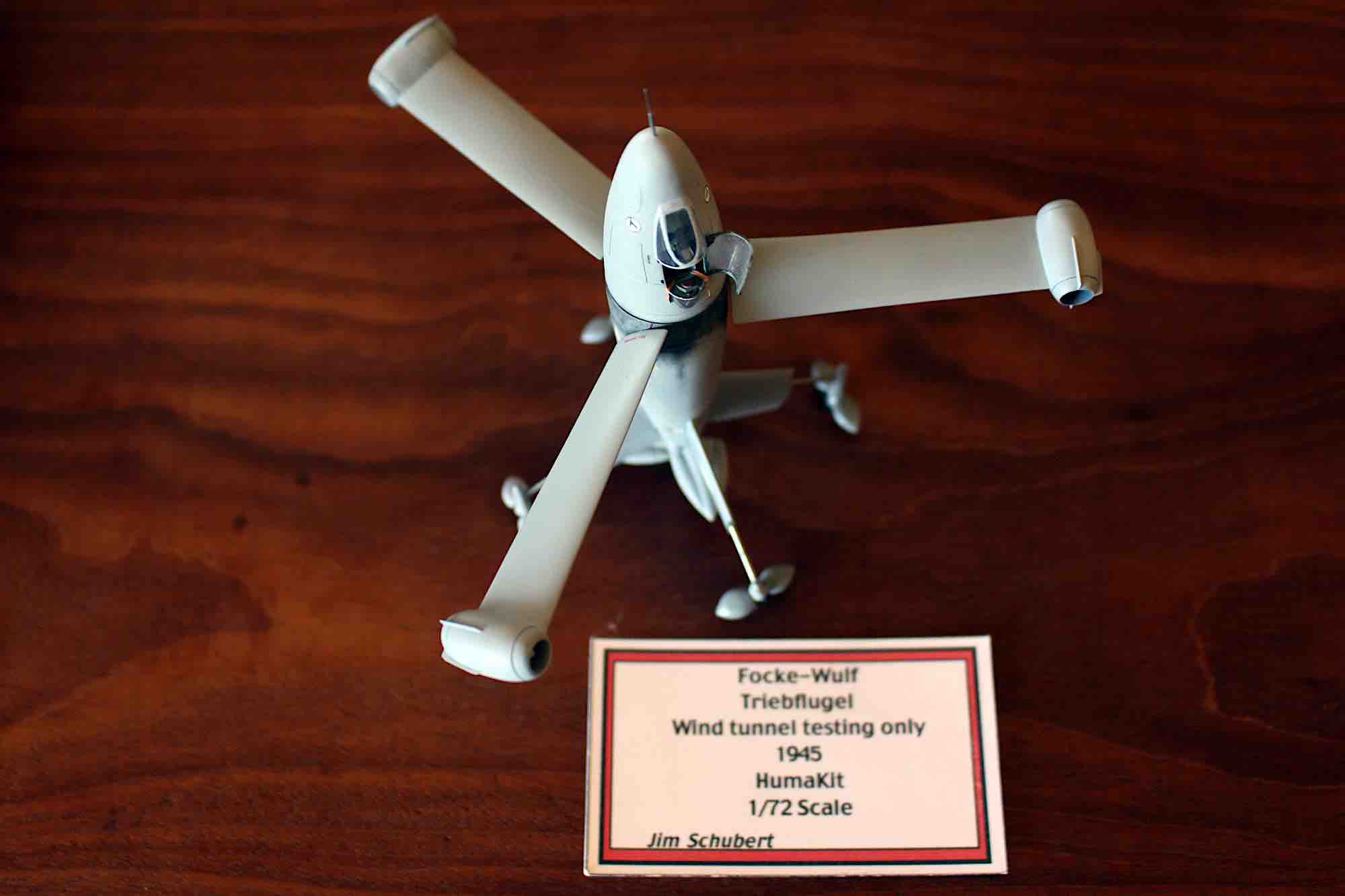
Photograph 22 of 25 · Focke-Wulf Triebflügel (Triebflügeljäger) a German World War II vertical take-off and landing [VTOL] concept interceptor design featuring a rotating wing-propeller assembly around the fuselage.
Photograph 23 of 25 · The Focke-Wulf Triebflügel (Triebflügeljäger) was never built as a full prototype; the design only reached conceptual stages and wind-tunnel testing before the end of WWII in 1945.
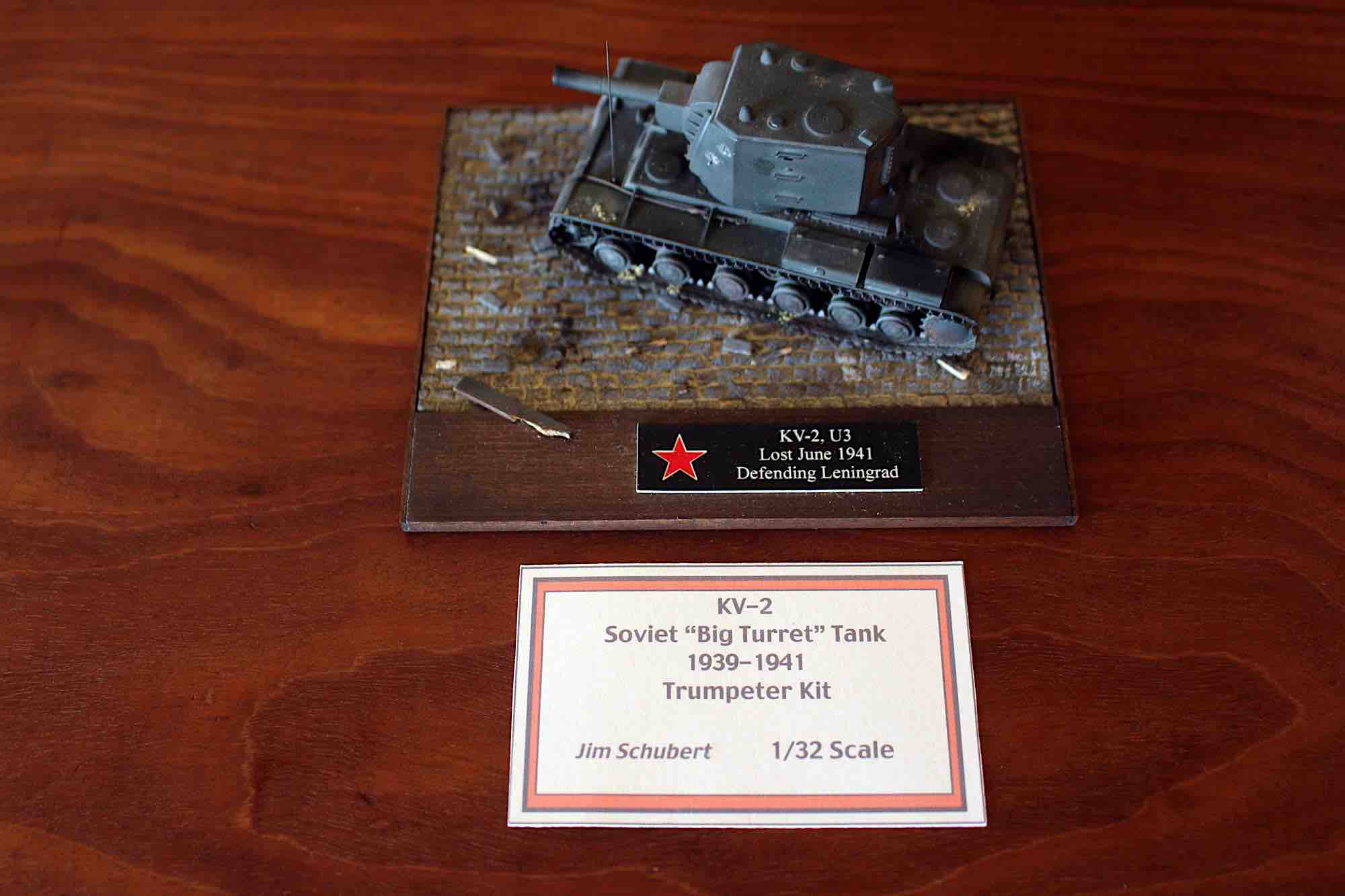
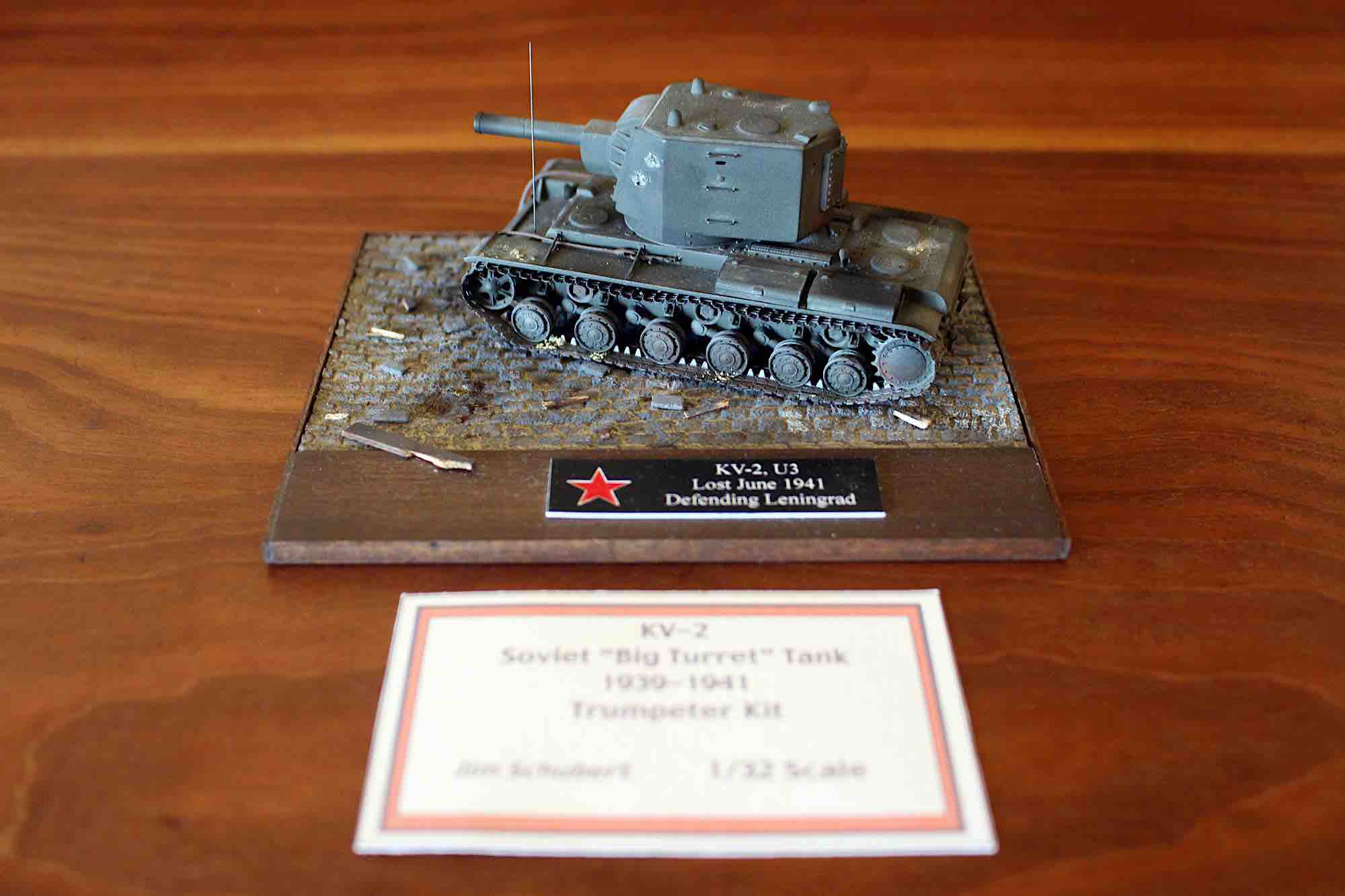
Photograph 24 of 25 · The KV-2 was a Soviet heavy assault tank developed in 1939–1940 specifically to destroy concrete bunkers and fortifications.
Photograph 25 of 25 · Standing nearly 4 meters tall and weighing 52–57 tons, its thick armor (up to 110mm on the turret front) was completely immune to standard German 37mm and 50mm anti-tank guns. German shells famously bounced off or left glowing red marks without penetrating the steel.