
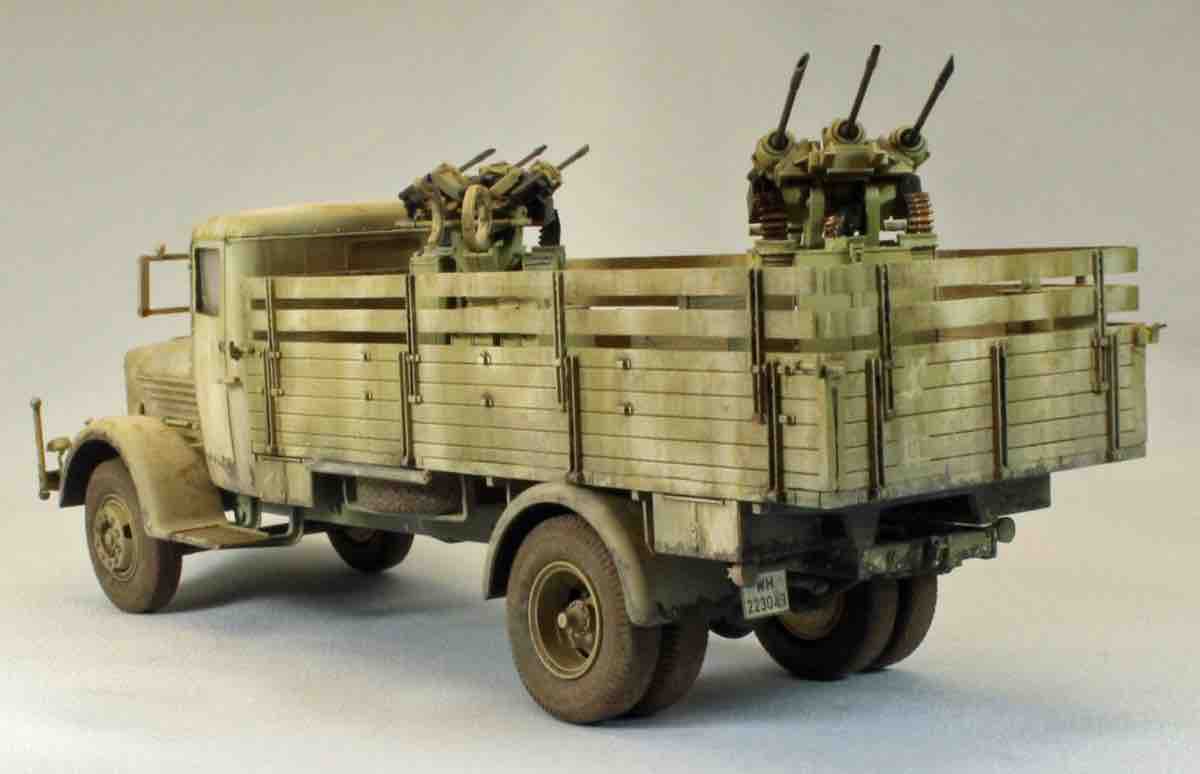
Eric Christianson’s bench
The small kit behind 95% of the finish.
Great weathering can look mysterious. Here, Eric pulls back the curtain and explains the compact group of materials he reaches for again and again.
See the essentials ↓Fewer products. Better control.
The variety and cost of weathering products sold these days offers a bewildering array of choices to the modeler. Many of us find that we buy way more than we need, and certainly more than we end up using.
I’ve been building and weathering models for long enough now to know that the learning process is never-ending. With every build I learn something new, or at least I refine something I’ve done before. Through it all, however, I keep coming back to a certain small set of products that, together, end up providing about 95% of what I need to do the job—even when that job keeps changing and my skill set improves.
So, I thought I’d create a short list of those items that I feel are indispensable for my own work. I sincerely hope that some folks disagree with what I’ve included—or excluded. Just opening that discussion will open doors to new ideas, and that’s what this is all about.
“These are not the only products that work. They’re the ones I know, trust, and reach for again and again.”
— Eric Christianson
A look at the bench
Eric’s core weathering shelf
These photographs identify several of the products discussed below. Packaging and availability can change; the techniques are the important part.
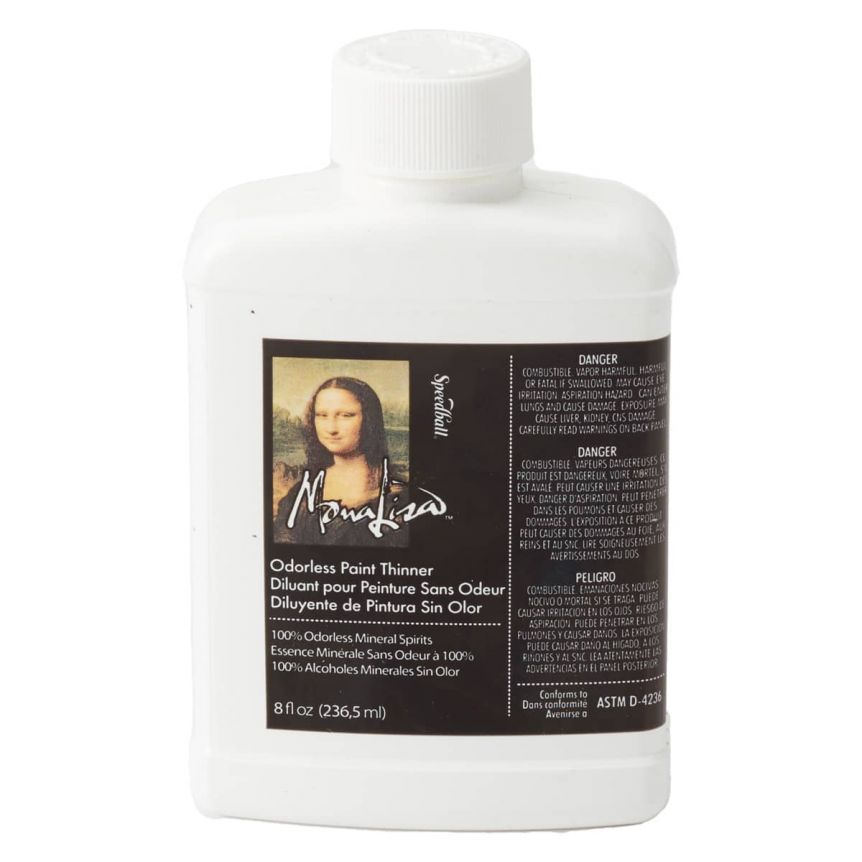 Mona Lisa Odorless Thinner
For oils, washes, filters, and pigments
View product source ↗
Mona Lisa Odorless Thinner
For oils, washes, filters, and pigments
View product source ↗
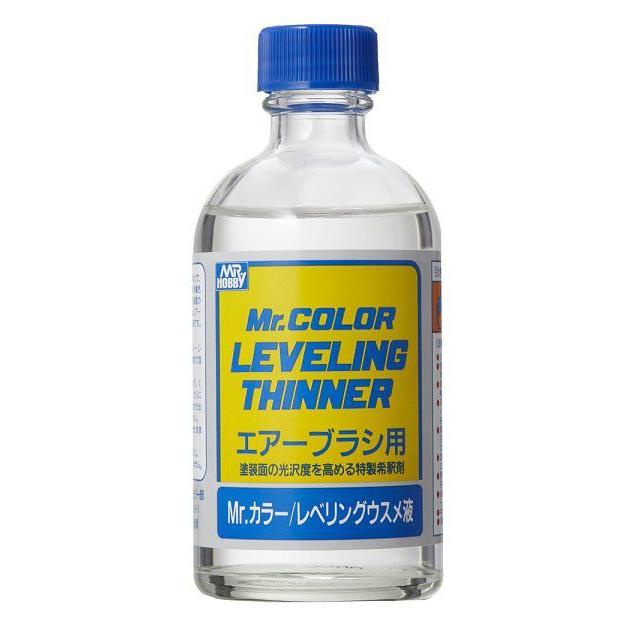 Mr. Color Leveling Thinner
For predictable airbrush sessions
View manufacturer ↗
Mr. Color Leveling Thinner
For predictable airbrush sessions
View manufacturer ↗
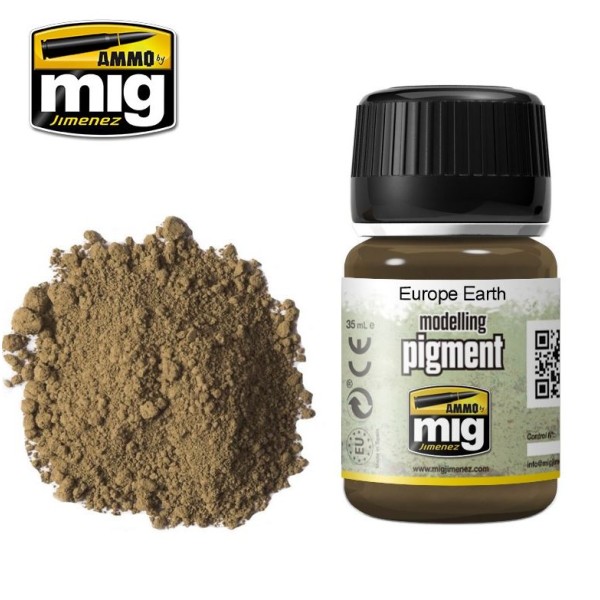 Earth Pigments
For dust, dirt, mud, and tires
View manufacturer ↗
Earth Pigments
For dust, dirt, mud, and tires
View manufacturer ↗
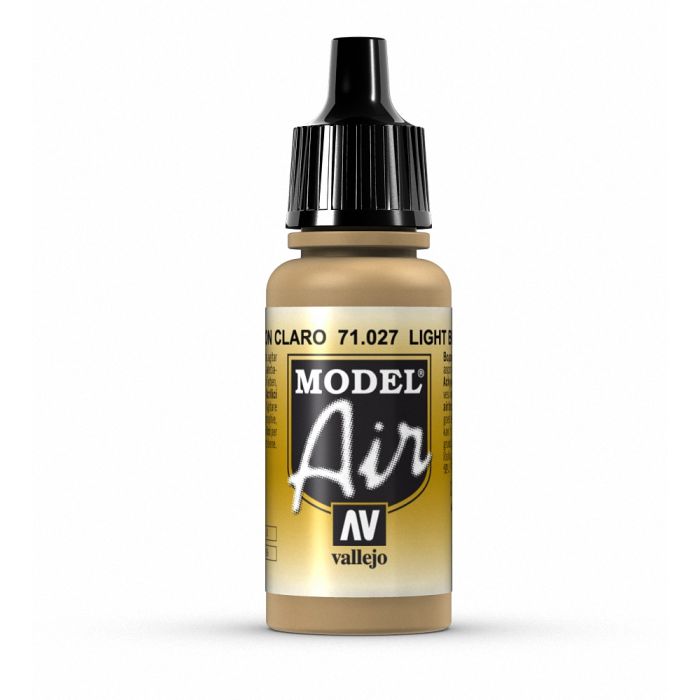 Vallejo Model Air Light Brown
Airbrushed as road dust
View manufacturer ↗
Vallejo Model Air Light Brown
Airbrushed as road dust
View manufacturer ↗
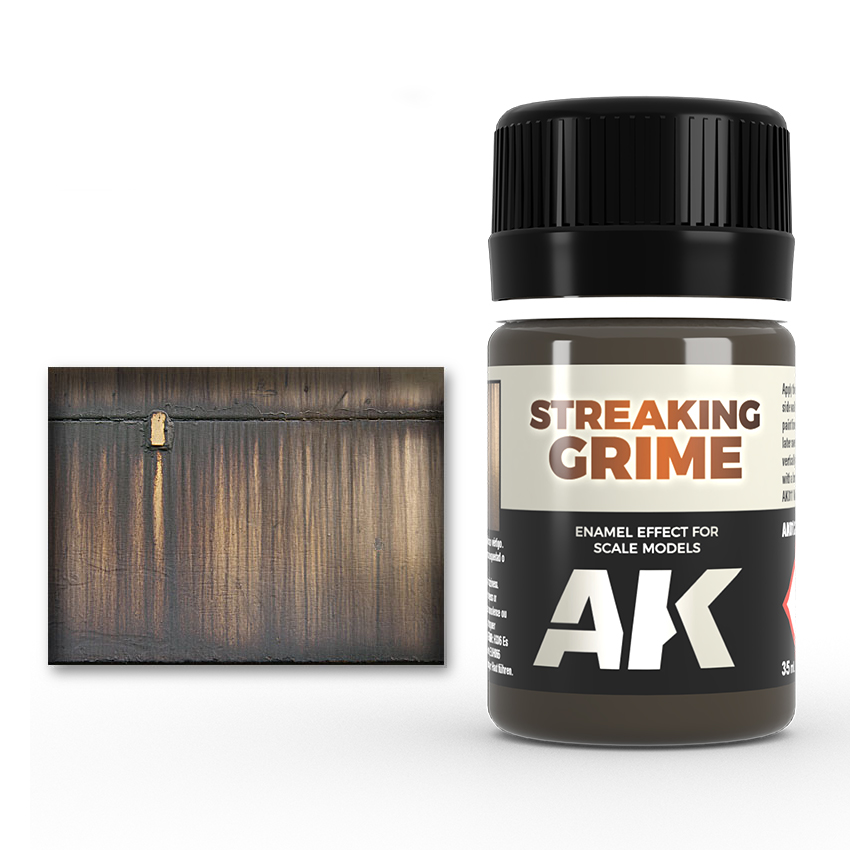 AK Streaking Grime
For controlled rain and grime streaks
View manufacturer ↗
AK Streaking Grime
For controlled rain and grime streaks
View manufacturer ↗
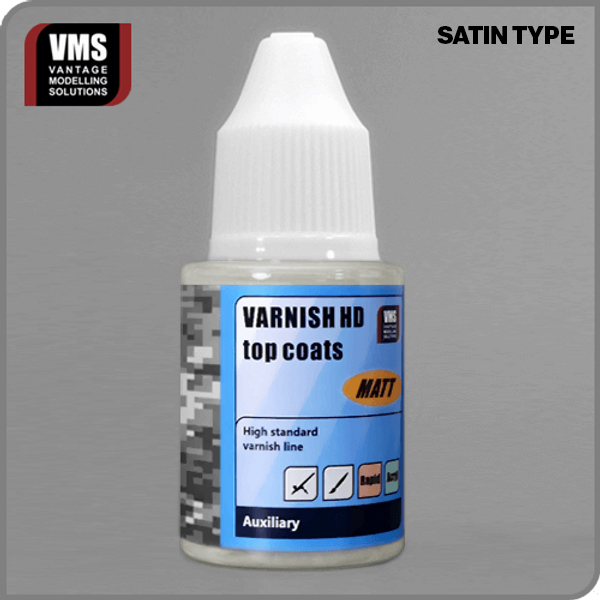 VMS Varnish HD
For lifelike satin and flat finishes
View manufacturer ↗
VMS Varnish HD
For lifelike satin and flat finishes
View manufacturer ↗
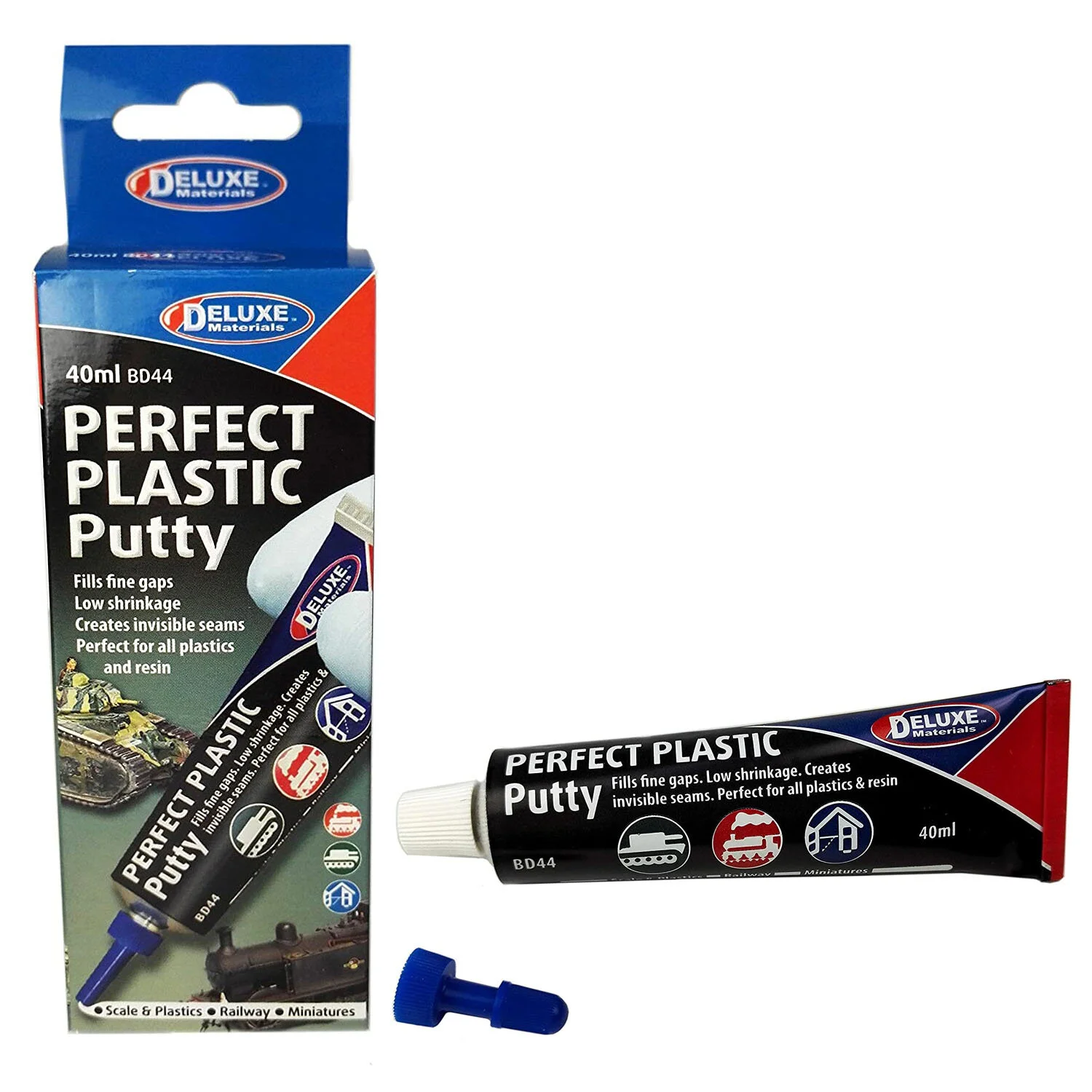 Perfect Plastic Putty
For water-cleanup seams and gaps
View manufacturer ↗
Perfect Plastic Putty
For water-cleanup seams and gaps
View manufacturer ↗
The repeat performers
Weathering essentials
-
Mona Lisa Odorless Paint Thinner
I use this to thin all non-acrylic (“distillate”) weathering products, including washes, filters, and pigments. It is very gentle and will not affect underlying paint, no matter what it is. Mona Lisa comes in several sizes and can be found at art and craft stores.
-
Gunze Self-Leveling Paint Thinner
I use this to thin Tamiya and AK Interactive Real Color paints, my go-to brands of modeling paint. Mixed 50/50 paint and thinner, it provides me with a perfect, repeatable airbrush session. Every time.
-
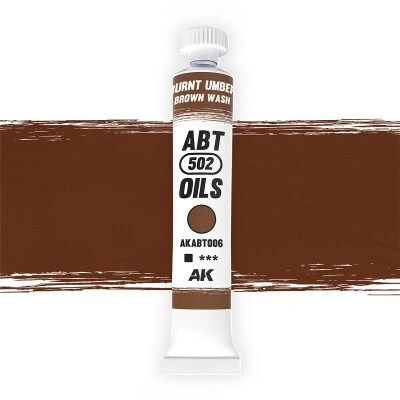
Mig Wash Brown oil paint
Like all Mig Oils, this has a very fine pigment. I mix it with Mona Lisa before each use for filters and washes.
A current brown artist-oil equivalent is shown. -
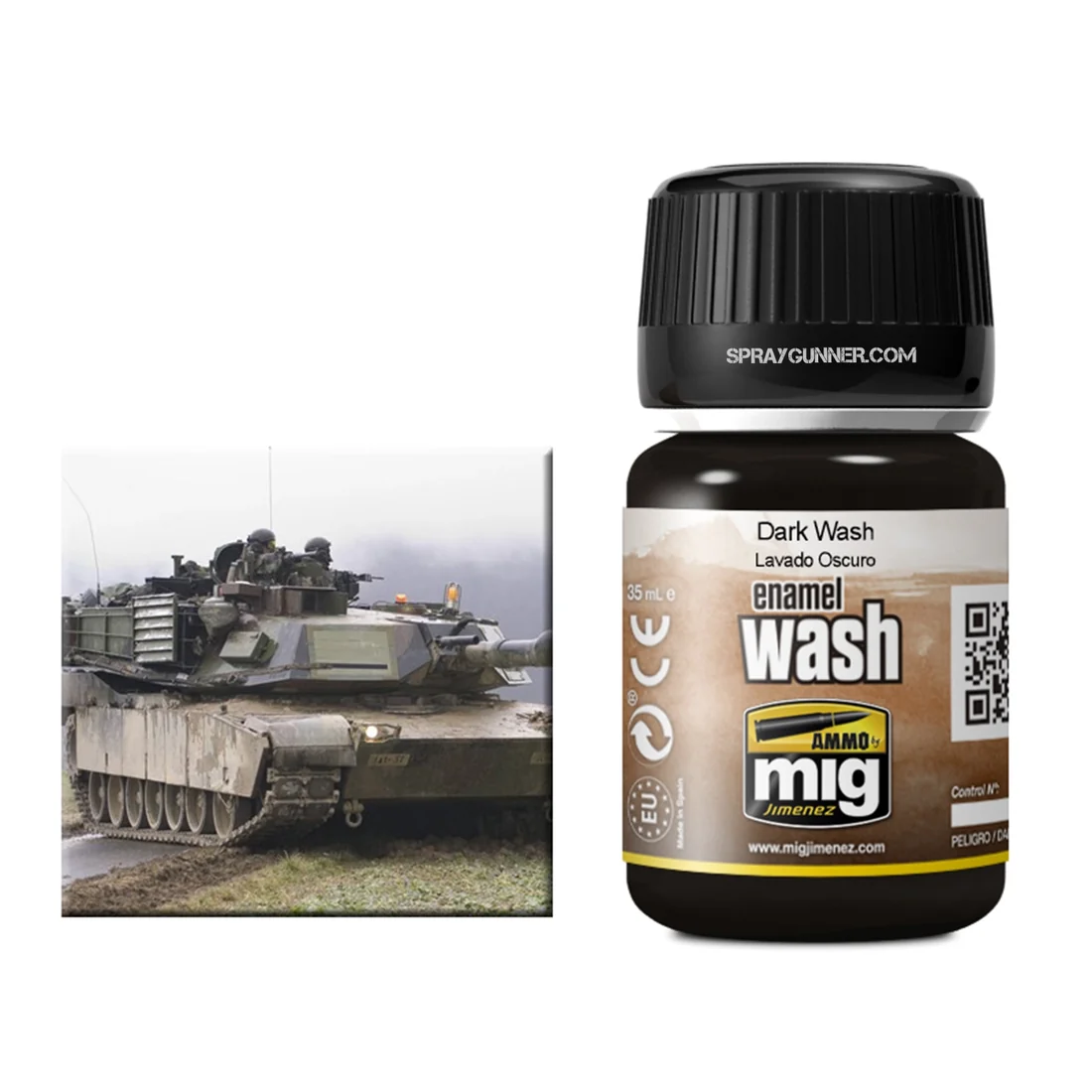
Mig Dark Wash
I thin this 10-to-1 as a pin wash. It is nearly identical to Burnt Umber oil paint in color and hue.
-
Mig European Dust Pigment
I apply this wet for mud or dusty tires, or dry directly to the model surface.
-
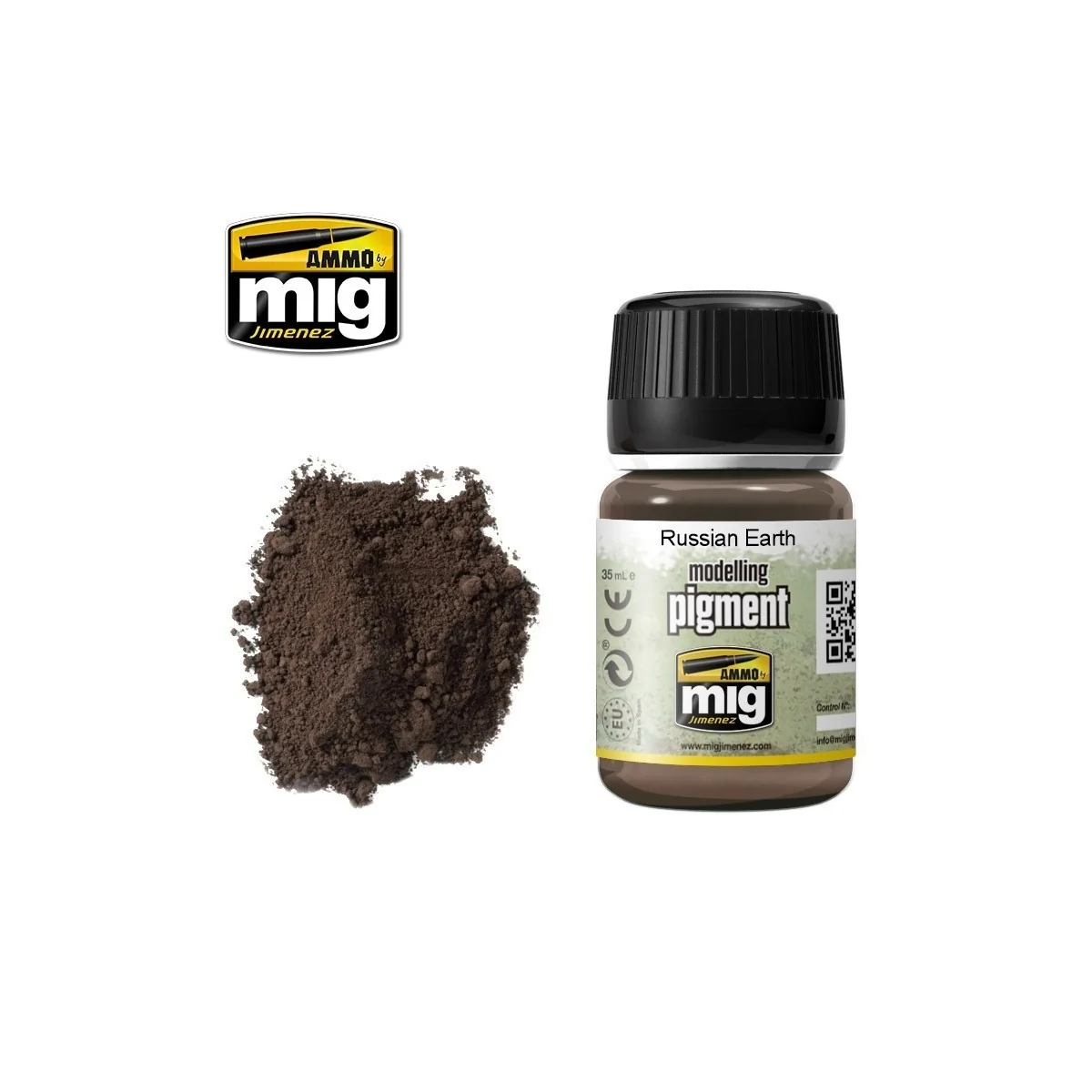
Mig Russian Earth Pigment
I use it the same way as European Dust, but when I need a darker earth tone.
-
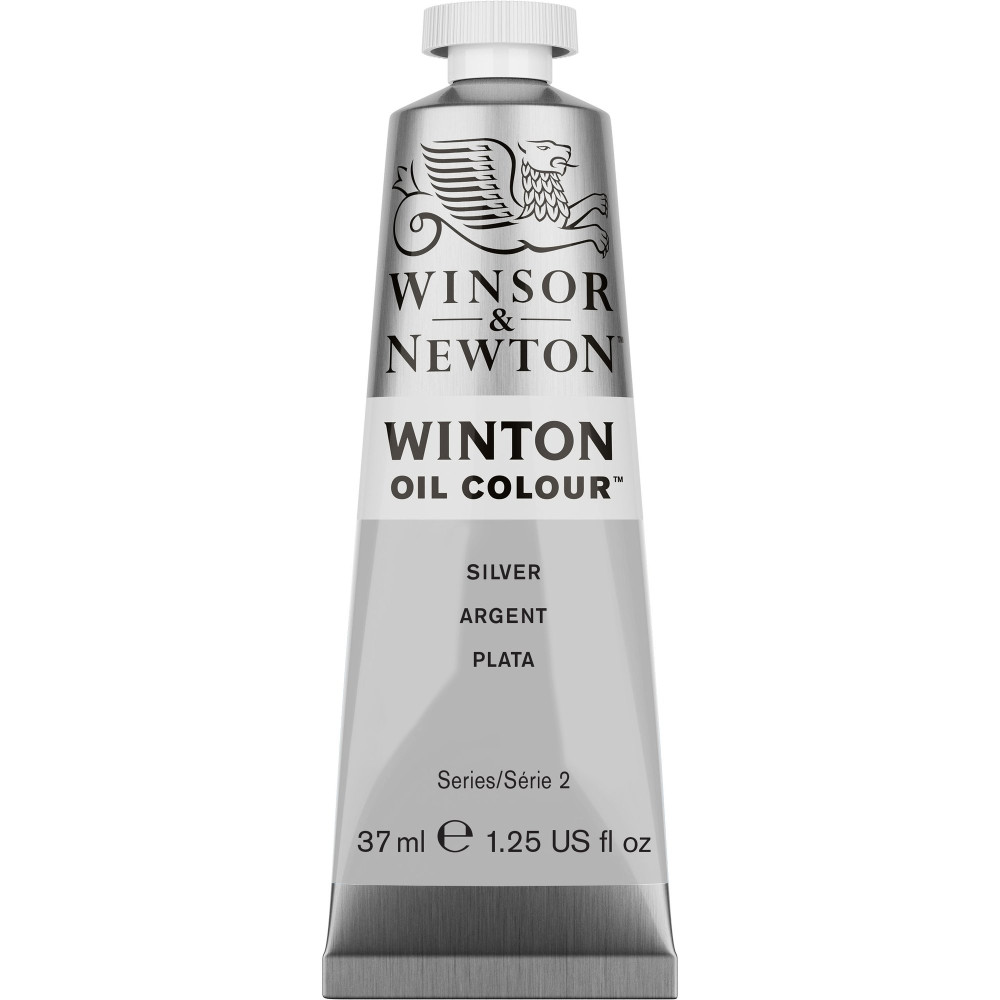
Silver oil or wax paint, or Uschi chrome pigment
I dry brush—or apply with my finger and/or an artist’s blender—to highlight metal surfaces and guns. It’s “modeling bling.” Uschi’s product is akin to Etch A Sketch powder.
A representative silver artist oil is shown. -
Vallejo Model Air Light Brown
I spray this on as road dust, thinned 5:5:1: Vallejo thinner, Vallejo paint, and Liquitex Flow Aid.
-
 Product sources ↗
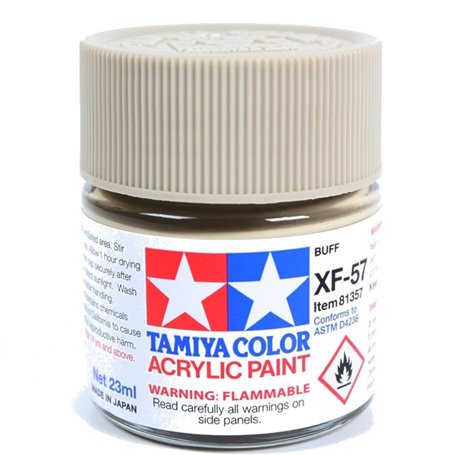
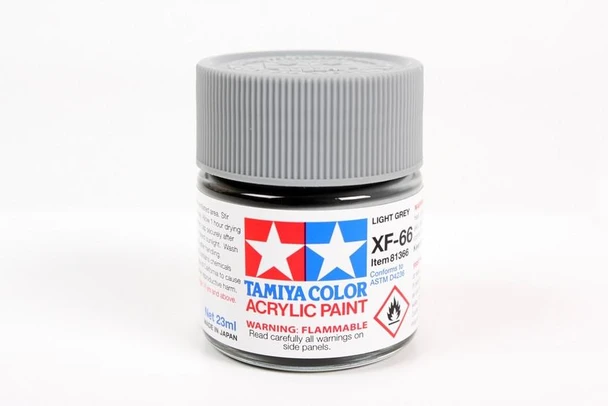
Tamiya Buff + Tamiya Light Grey
Product sources ↗
Tamiya Buff + Tamiya Light GreyMixed 1:1 and thinned 50/50 with Gunze Self-Leveling Thinner, this gives me a lighter road-dust effect.
-
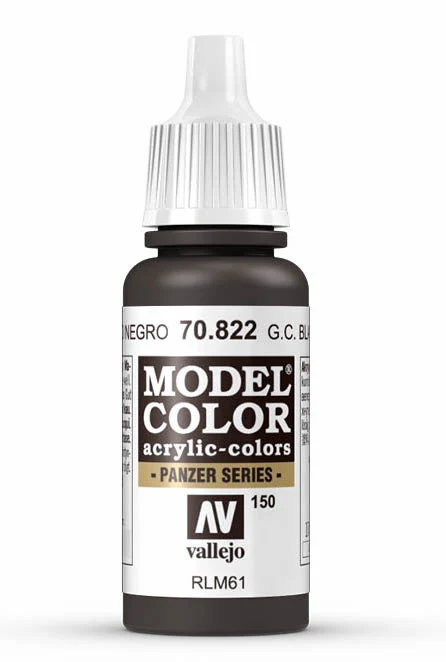
Vallejo Model Color German Camouflage Black Brown
I use this unthinned for paint chips and rust spots.
-
AK Interactive Streaking Grime
I streak this on a glossy surface, unthinned. I let it dry, then work it with a clean brush or cotton swab dampened with Mona Lisa.
-
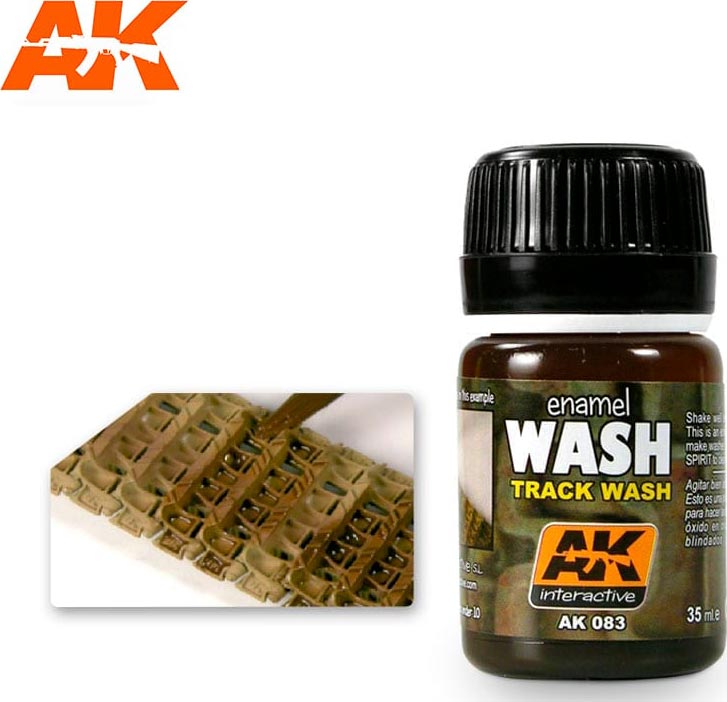
AK Interactive Track Wash
I use this unthinned on armor track after paint but before pigments.
-
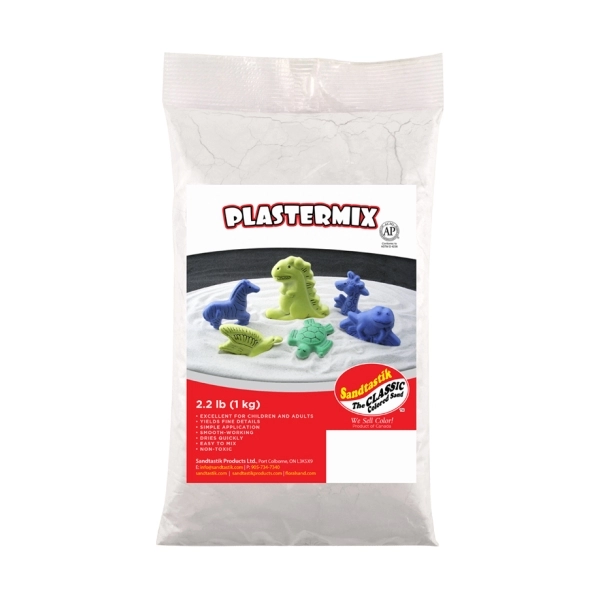
Fine craft sand, real dirt (“moon dust”), and Plaster of Paris
I use these for mud. The materials can be found at art and craft stores.
A representative plaster product is shown; no particular brand is required.
Beyond weathering
Supporting bench products
-
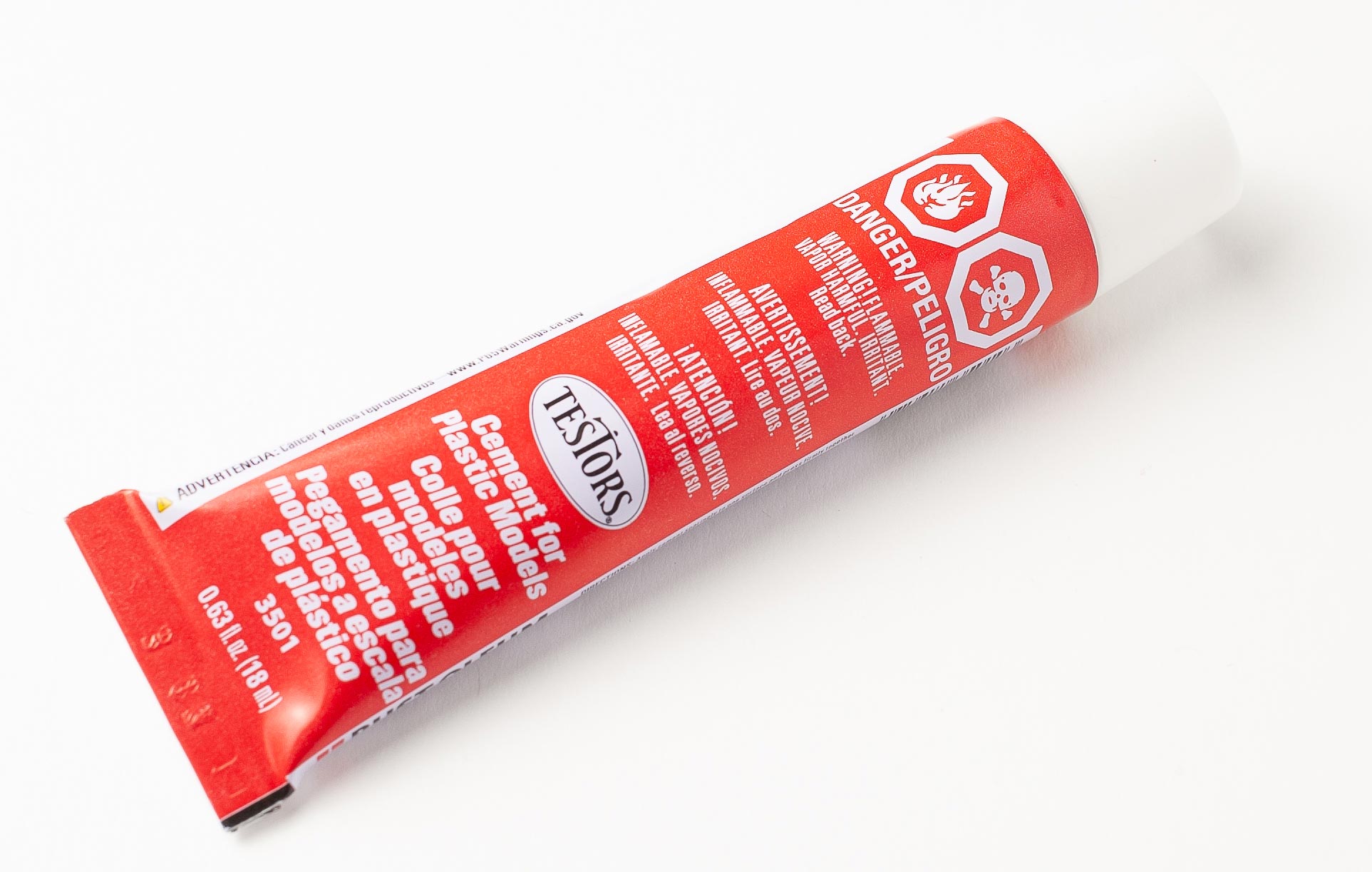
Thick liquid cement for plastic models
I use this when I need time to work, such as assembling track, and with large parts such as fuselage halves. It is sticky in seconds yet workable for hours before drying rock hard.
A familiar thick model cement is shown as a representative example. -
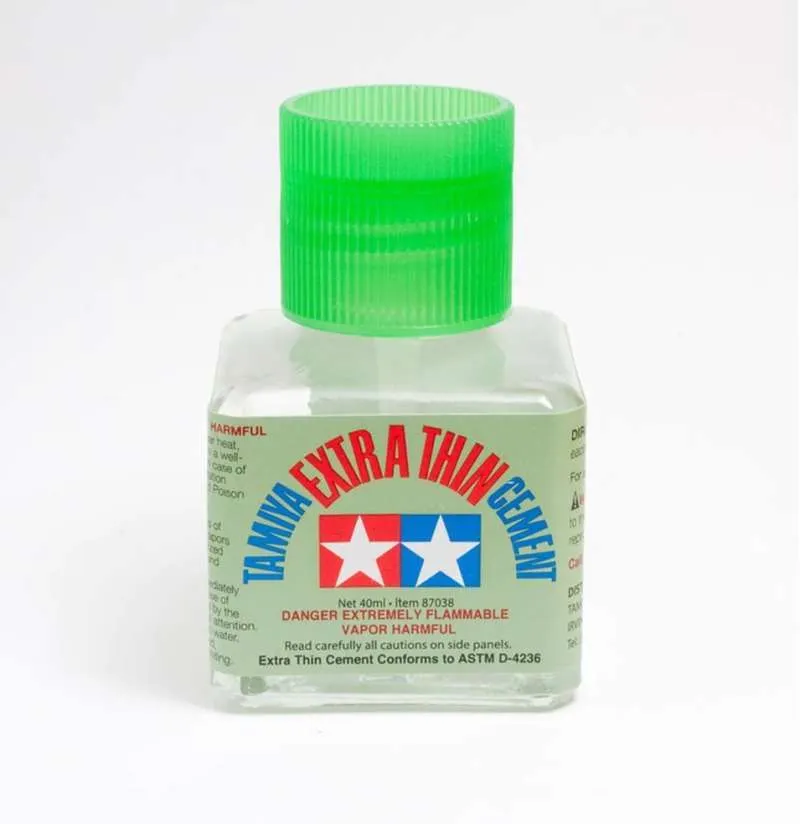
Tamiya Green-Cap Liquid Cement
I use this when I want capillary action to draw the cement into assemblies.
-
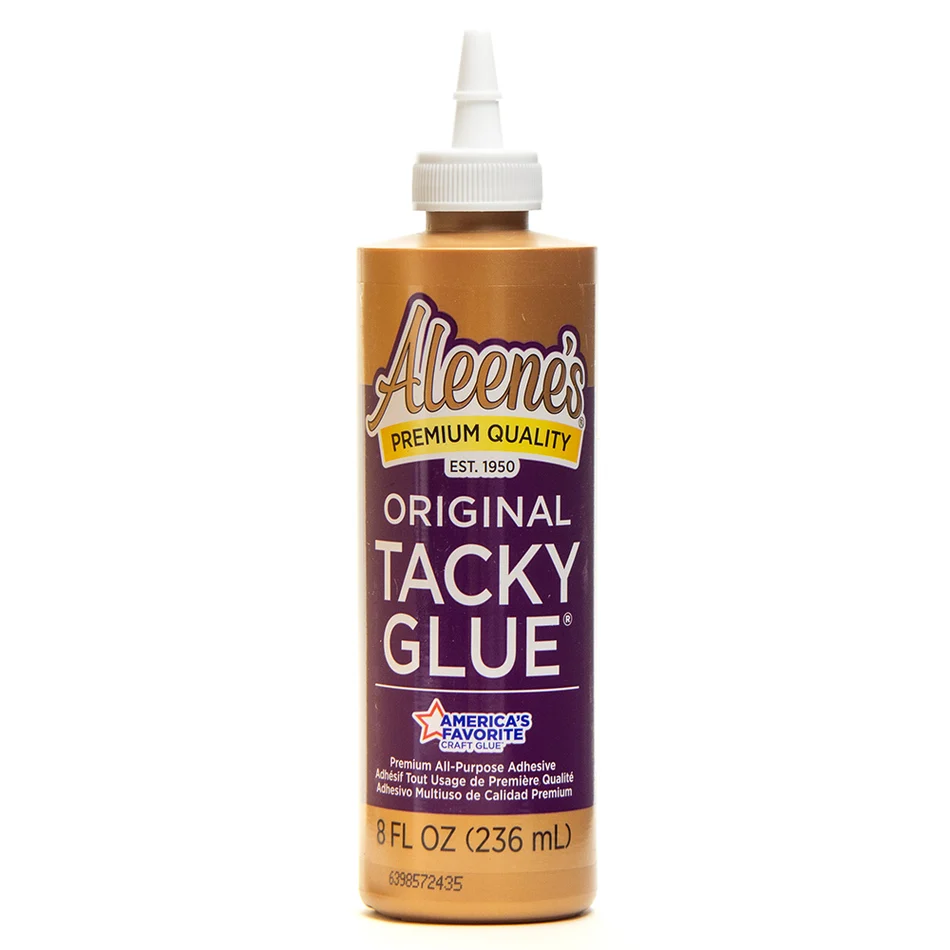
Fortified white glue—“Elmer’s on steroids”
I use this for photo-etch and other applications when I want a strong, crystal-clear bond.
A representative fortified craft glue is shown. -
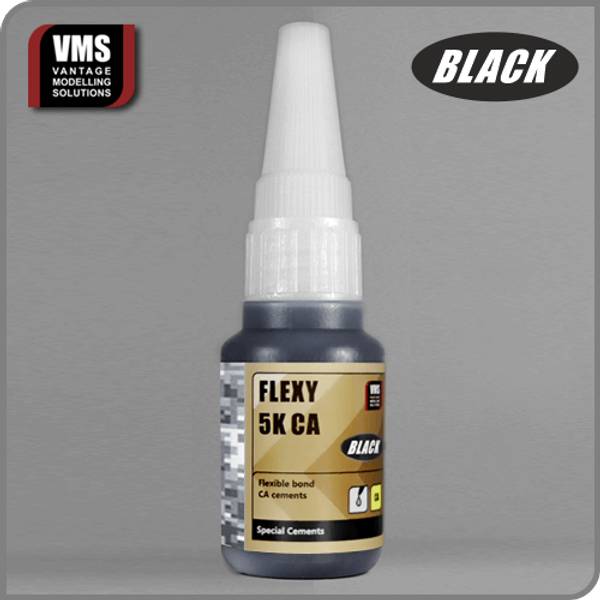
Black or “tire” CA glue
I use black CA when I need to see—and therefore clean up around—the glue application. I use Loopers, specialized tools that make an easy task of this.
-
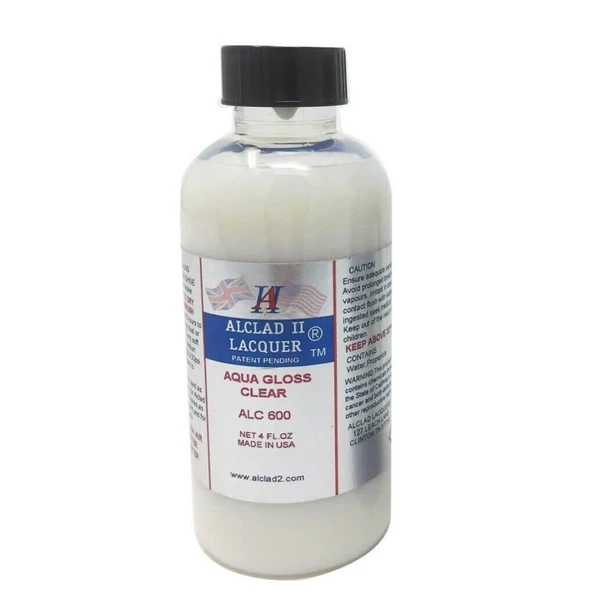
Alclad Aqua Gloss
I use this acrylic unthinned for all gloss-coat applications.
-
Vallejo Matt Varnish
I use this for all flat-coat applications, thinned 5:5:1: Vallejo thinner, Vallejo varnish, and Liquitex Flow Aid.
-
VMS Satin and Flat Finishes
I feel these high-end products bring models “to life” and are worth the money. I spray the entire vehicle with satin, then use flat varnish on canvas, similar deck equipment, and figures.
-
Perfect Plastic Putty
I use this to fill seams and other gaps. It thins and cleans with water and requires no sanding. Think model caulk.
-
Gunze Mr. Surfacer 1200 or 1500
These primers come in several colors and can be sprayed or brushed on. I use them to prepare surfaces for paint, and stipple them with an old brush to add texture to otherwise flat, lifeless surfaces.

Buy these first
Three indispensable tools
These appear at the end of the list, but Eric says they should be the first three things on your bench.
A scalpel
A scalpel gives me the edge—pun intended—in cleaning plastic. One clean pass at a tiny, delicate part produces better and safer results than three or four passes with a hobby knife.
GodHand clippers
I resisted buying these clippers for years—until I tried them once. They cut through plastic like butter, and they cut so, so cleanly.
View manufacturer ↗An OptiVISOR
We are aging, and my sight is failing. This investment will keep my modeling hobby going far longer than it would have without one.